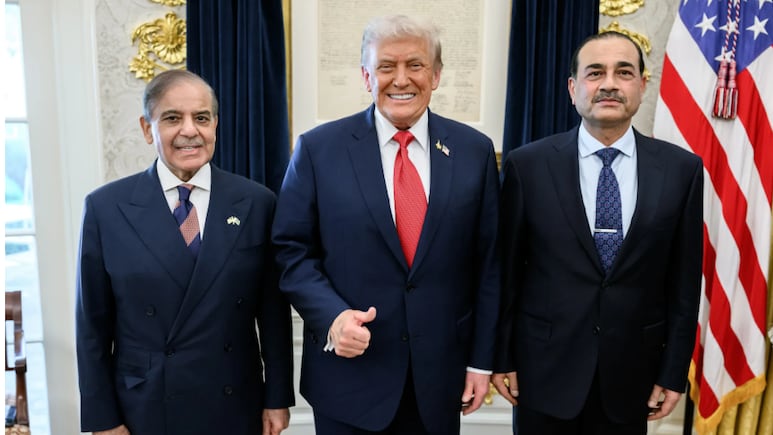
Pakistan has requested a $10 billion exchange stabilisation facility from the US, which, if granted, may offer the financially beleaguered South Asian economy a lifeline, Reuters reported, citing a source.
The request, which is being revealed for the first time, comes after Pakistan's involvement in mediating negotiations over the Iran war, which enhanced its diplomatic standing and sparked expectations that it may pursue economic benefits from Washington and other allies.

-
 Indian Markets Turning Corner After Two Tough Years, Says Sandeep Tandon
-
 NDTV Profit Ignite 2026: Experts See Opportunity In Equities, Stay Bullish For Long-Term
-
 Buy Right, Sit Tight Does Not Work for Individual Stocks, Says Dinshaw Irani
-
 'Worst Is Behind': Quant MF Sees Market Bottom, Flags 'Extreme Euphoria' In Midcaps
-
 India's Mutual Fund Industry Could Become A $1 Trillion Opportunity, Say Fund Managers
-
 'Foreign Investors Are Baraatis': Raamdeo Agrawal's Take On LTCG Tax
-
 Stay Invested Through Market Cycles: Raamdeo Agrawal at NDTV Profit Ignite
-
 Ramesh Damani Remains Bullish On India For Next 20-30 Years, Sees Bargains Amid Market Weakness
-
 CAS Came After A Long Consultation Process: SEBI Chairman Tuhin Kanta Pandey AT NDTV PROFIT IGNITE
-
 Aim To Cut FPI Onboarding Time From Mth To Five Days: SEBI Chairman Tuhin Kanta Pandey AT NDTV PROFI
Islamabad has asked US Treasury Secretary Scott Bessent for a $10 billion Bilateral Exchange Stabilisation Support Facility between the US and the Pakistani government, with a maximum five-year maturity.
Also Read | Layoffs Are Rising In Tech, But These Skills Are Helping People Unlock Better Pay
Even as Islamabad implements tougher fiscal and monetary policies in accordance with the International Monetary Fund program, the facility, if approved, would strengthen Pakistan's reserves, lessen pressure on the rupee, and lessen its reliance on multilateral finance.
ALSO READ: Oil Prices Spike: Brent Crude Tops $95 A Barrel For First Time In Six Weeks
Pakistani Finance Minister Muhammad Aurangzeb met with Bessent in Washington on Tuesday and said he had raised the vulnerability of the country's economy to regional geopolitical developments, the ministry said in a statement that did not mention the request.
It stated that both sides reiterated their commitment to strengthening bilateral economic cooperation, encouraging more US investment, and advancing strategic projects. "Senator Aurangzeb sought greater US support for Pakistan's road to market, underpinned by improved access to international capital markets, higher foreign exchange reserves, and enhanced sovereign credit ratings," the report stated.
Pakistan is still subject to $7 billion in IMF discipline, which has necessitated reforms, budget cuts, and politically difficult tax increases.
Exchange stabilisation facilities are uncommon US Treasury backstops that offer dollars, swaps, or guarantees to protect reserves and stable currencies. They are typically administered through the Exchange Stabilisation Fund.
These facilities serve as an international supply line of US dollars to support financial stability and are distinct from the permanent standing dollar exchange lines that the US Federal Reserve maintains with some major central banks.
Except for Mexico's long-standing swap line, which dates back to the 1940s and is currently valued at $9 billion, a 2025 Argentina package was the first new foreign-government currency stabilisation facility operation since Uruguay in 2002.
ALSO READ: Iran War More Unpopular Than Iraq, Vietnam; 68% Americans Say 'Not Worth Fighting'
Pakistan obtained a $7 billion Extended Fund Facility and a supplementary $1.3 billion loan to strengthen its resilience to climate change and natural catastrophes after narrowly avoiding default in 2023 with a $3 billion IMF standby agreement. However, official funding, rollovers, and deposits from Saudi Arabia and China continue to support its reserves.
As a result, Islamabad is vulnerable to changes in bilateral assistance and delays in IMF payments. When Pakistan sent roughly $3.5 billion, or one-fifth of its reserves, to the United Arab Emirates in April, with Saudi Arabia contributing an additional $3 billion, that vulnerability became apparent.
Essential Business Intelligence, Sharp Market Insights, Practical Personal Finance Advice, Daily Fuel, Gold and Silver Prices and Latest Stories — On NDTV Profit.