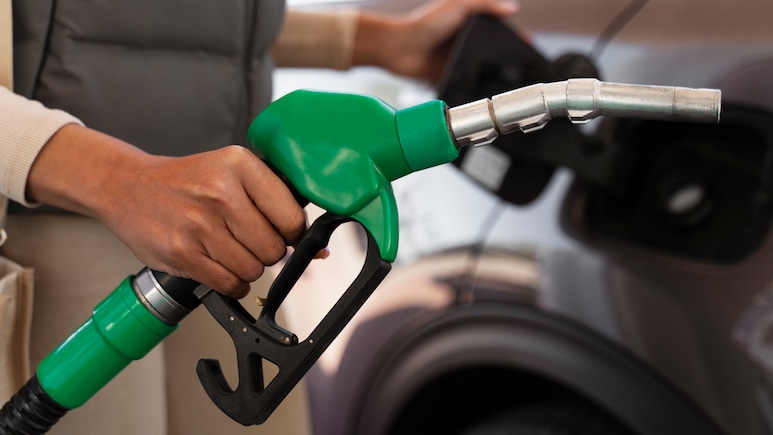
China on Tuesday hiked petrol and diesel prices for the second time in a little over two weeks, attributing the move to rising global crude oil rates amid the ongoing West Asia conflict and disruptions to key supply routes.
The revised prices, effective from Wednesday, come against the backdrop of heightened volatility in international oil markets following escalating tensions involving the US, Israel and Iran, along with restrictions in the crucial Strait of Hormuz.
The country's top economic planner, the National Development and Reform Commission (NDRC), said petrol prices will go up by 420 yuan ($61) per tonne, while diesel will increase by 400 yuan (USD 58) per tonne. This follows a similar hike on March 23, introduced to prepare for possible supply constraints.
Also Read: West Asia Tensions Push Companies To Move Backup Data Centers Farther Away; India Sees Demand Surge
"The prices of gasoline (petrol) and diesel will increase as a result of the recent fluctuations in international oil prices," the NDRC said.
"We have taken this step to stabilize the market and ensure the continued availability of supplies."
To ensure steady supply, authorities have asked major state-run oil firms — including China National Petroleum Corporation, China Petrochemical Corporation and China National Offshore Oil Corporation — as well as other refiners to maintain output levels and streamline transportation.
Also Read: Indian Oil And BPCL Delay Maintenance To Stabilise Fuel Supplies
The NDRC also stressed the need for strict enforcement against violations of pricing regulations.
"Relevant authorities should implement strict measures to ensure market order," it added.
China depends heavily on imported crude, with about 70% sourced from abroad and nearly 45% of those shipments passing through the Strait of Hormuz, leaving it exposed to regional disruptions.
Still, experts believe China is relatively better placed to manage supply shocks due to its diversified energy imports, including pipelines from Russia and long-term agreements, as well as emergency reserves estimated to last around four months.
Essential Business Intelligence, Sharp Market Insights, Practical Personal Finance Advice, Daily Fuel, Gold and Silver Prices and Latest Stories — On NDTV Profit.