- China's retail gasoline price cap rises by 395 yuan per metric tonne amid global crude pressure
- Diesel price cap increases by 385 yuan per tonne to ease impact on domestic consumers
- Price adjustments reflect Brent crude staying above $100 per barrel due to Middle East tensions
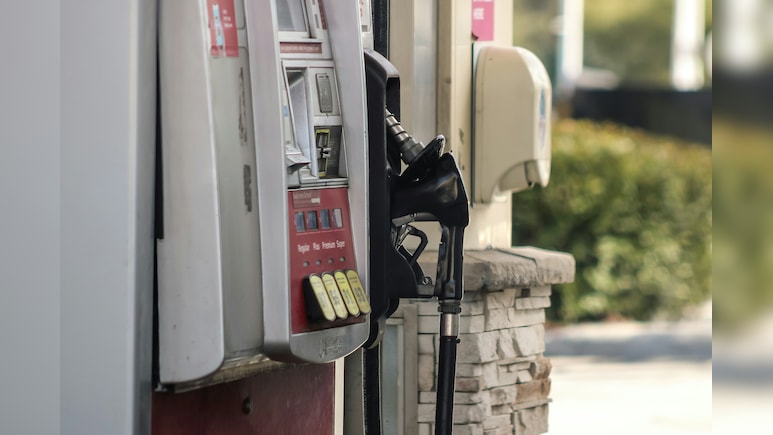
China's top economic planner revealed a new rise in retail prices for gasoline and diesel, amid the west Asia war, which is putting pressure on global crude markets and interfering with shipping lanes in the region.
The National Development and Reform Commission announced that the retail price cap for gasoline will go up by 395 yuan ($58.85) per metric tonne, and diesel prices will climb by 385 yuan per tonne, as reported by Al Jazeera.

-
 Indian Markets Turning Corner After Two Tough Years, Says Sandeep Tandon
-
 NDTV Profit Ignite 2026: Experts See Opportunity In Equities, Stay Bullish For Long-Term
-
 Buy Right, Sit Tight Does Not Work for Individual Stocks, Says Dinshaw Irani
-
 'Worst Is Behind': Quant MF Sees Market Bottom, Flags 'Extreme Euphoria' In Midcaps
-
 India's Mutual Fund Industry Could Become A $1 Trillion Opportunity, Say Fund Managers
-
 'Foreign Investors Are Baraatis': Raamdeo Agrawal's Take On LTCG Tax
-
 Stay Invested Through Market Cycles: Raamdeo Agrawal at NDTV Profit Ignite
-
 Ramesh Damani Remains Bullish On India For Next 20-30 Years, Sees Bargains Amid Market Weakness
-
 CAS Came After A Long Consultation Process: SEBI Chairman Tuhin Kanta Pandey AT NDTV PROFIT IGNITE
-
 Aim To Cut FPI Onboarding Time From Mth To Five Days: SEBI Chairman Tuhin Kanta Pandey AT NDTV PROFI
ALSO READ: Viral Video: Donald Trump Winces At B-1 Bomber Noise, Xi Jinping Remains Unfazed
Also Read | Layoffs Are Rising In Tech, But These Skills Are Helping People Unlock Better Pay
The state planner observed that, under its standard pricing system, which updates every 10 working days based on international crude benchmarks, the adjustments would have amounted to 830 yuan and 800 yuan per tonne, respectively. Authorities chose to limit the increases to protect domestic businesses and consumers from spiralling energy prices.
The price adjustments mirror sustained growth in global oil markets, as Brent crude has remained above $ 100 per barrel due to continued security concerns in the Persian Gulf and limited shipping through the Strait of Hormuz. Because about 40 per cent of its crude oil imports have historically travelled through this route, China remains highly vulnerable to disruptions in Middle Eastern supply.
To ensure supply stability, Beijing has instructed domestic state-owned refiners such as Sinopec and PetroChina to operate at maximum capacity while limiting exports of refined fuels to maintain availability within the country. The government has also relied on imports from diverse pipelines in Central Asia and Russia, along with its large strategic reserves.
ALSO READ: China, US Should Be 'Partners Rather Than Rivals', Says Xi Jinping
The ongoing rise in fuel prices is speeding up wider structural shifts in China's automotive market. Rising operating costs for traditional internal combustion vehicles have boosted consumer interest in electric and plug-in hybrid models, which now make up about half of all new passenger car sales nationwide. Although state-subsidised caps provide temporary relief, analysts caution that ongoing conflict in the Middle East will sustain pressure on industrial input costs and logistics.
Essential Business Intelligence, Sharp Market Insights, Practical Personal Finance Advice, Daily Fuel, Gold and Silver Prices and Latest Stories — On NDTV Profit.