- Zerodha founder Nithin Kamath flagged regulatory risk as a major challenge for regulated businesses
- Kamath cited IRDAI’s draft on insurance commissions as a reminder of regulatory risks in finance
- He warned that regulatory changes can quickly alter company economics in sectors like fintech
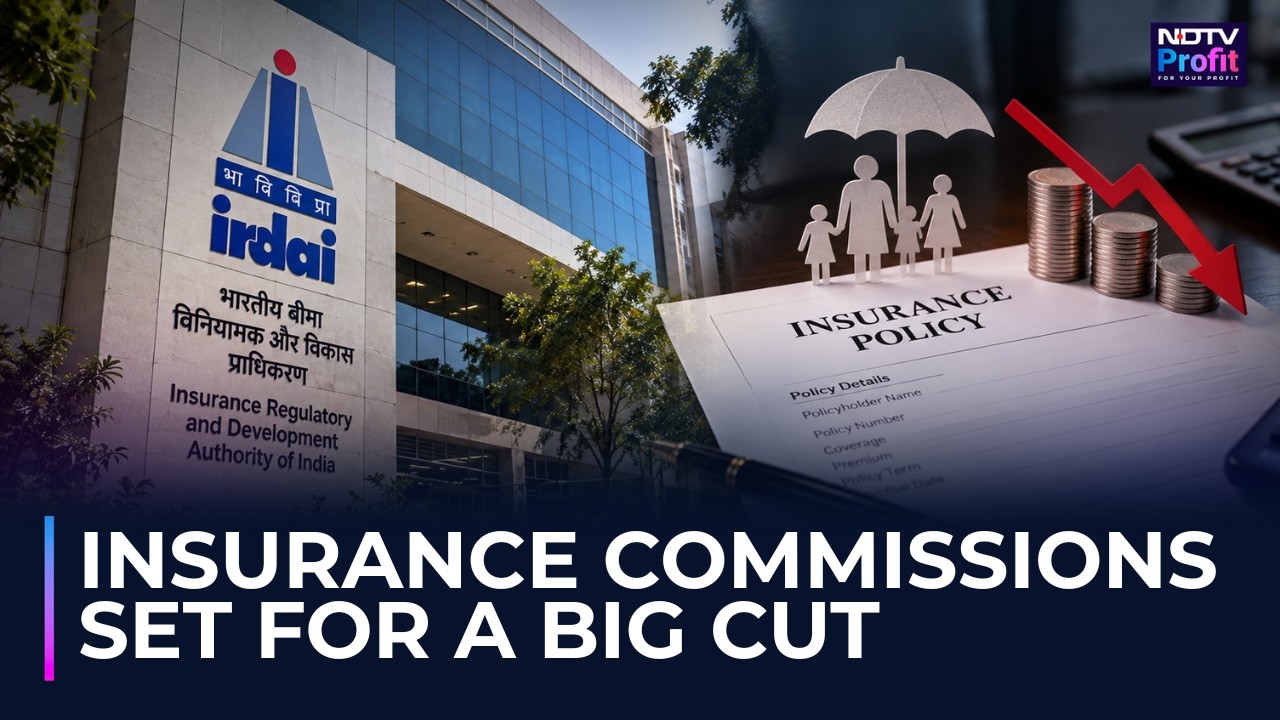
Zerodha founder Nithin Kamath has flagged regulatory risk as one of the biggest challenges for regulated businesses, saying changes in rules can alter the economics of a company almost overnight. Commenting on the Insurance Regulatory and Development Authority of India's (IRDAI) draft proposals on insurance commissions, Kamath said the development was a reminder of the risks faced by businesses operating in heavily regulated sectors.
“I keep saying this: for any regulated business, the biggest risk is regulatory risk. Today's IRDAI draft on insurance commissions is a good reminder,” Kamath said.
He said the same principle applies to the broking industry, where changes to regulations governing retail futures and options (F&O) trading, client-fund float, margin trading facility (MTF) requirements and other areas could materially affect business models.
Also Read | Layoffs Are Rising In Tech, But These Skills Are Helping People Unlock Better Pay
Kamath's comments come as regulators across India's financial sector continue to introduce measures aimed at strengthening investor protection, improving market practices and addressing risks associated with financial products and distribution models.
The Zerodha founder said investors should therefore be cautious about valuing regulated businesses purely on the basis of their current revenue and profit growth. He also extended the warning to the broader fintech sector.
“Pretty much everything in fintech comes with this risk,” he said.
The comments highlight a key consideration for investors tracking India's rapidly expanding fintech and financial-services ecosystem. Unlike businesses operating in relatively lightly regulated sectors, fintech companies can be exposed to changes in rules governing customer charges, commissions, capital requirements, trading activity, payment systems and the use of customer funds.
This comes after PB Fintech shares plunging as much as 34% to hit a fresh 52-week low of Rs 1,244.50. Turtlemint fell 20% to Rs 109.04, while Max Financial declined 12.98% to Rs 1,360.10. ICICI Prudential Life dropped 8.08% to Rs 445.35, while HDFC Life fell 8.46% to Rs 514. Star Health declined 6.59% to Rs 513, while SBI Life fell 3.41% to Rs 1,699.90. ICICI Lombard was down 2.33% at Rs 1,465.60 and LIC declined 2.21% to Rs 398.50.
The sharp fall in insurance-linked stocks came after IRDAI issued a two-part consultation paper proposing changes to distribution regulations and expense of management (EoM) limits. The proposals seek to change how insurers and distributors can incur expenses and pay commissions, with the regulator looking to reduce distribution costs and improve the alignment between customer acquisition efforts and compensation.
The proposed framework has raised concerns over the near-term impact on distributor economics, particularly for companies whose business models are closely linked to insurance distribution.
Essential Business Intelligence, Sharp Market Insights, Practical Personal Finance Advice, Daily Fuel, Gold and Silver Prices and Latest Stories — On NDTV Profit.