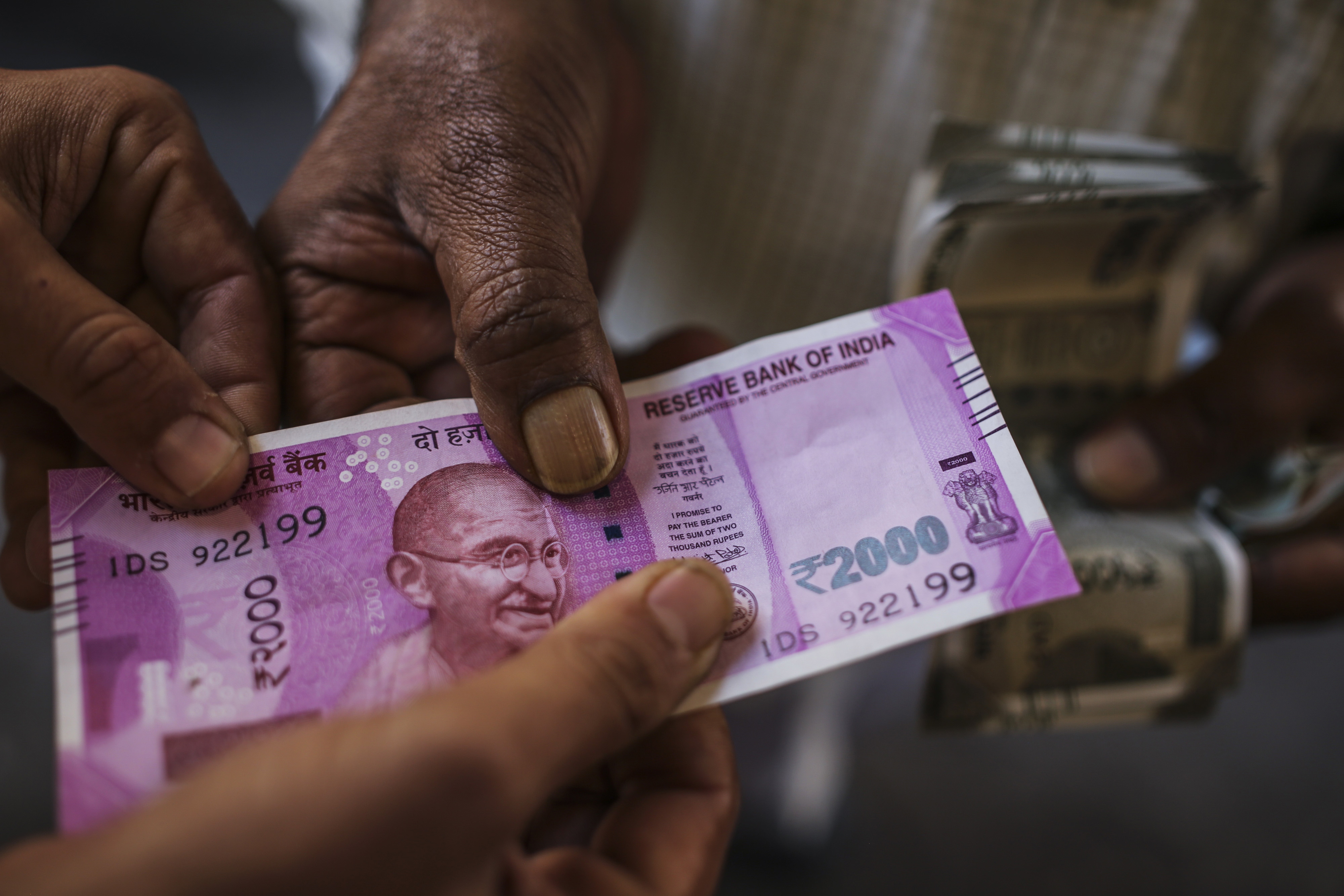
A day after India's gross domestic product (GDP) growth defied expectations of a dip in economic activity , rating agency Moody's Investors Service said the latest data has confirmed its expectation that the impact of demonetisation will be “short-lived”. The government's cash ban will in fact be credit positive for India in the medium term, Moody's said in a report on Wednesday.
The economy grew at a healthy 7 percent in the October-December quarter of 2016-17 against 7.4 percent in the previous quarter. The Bloomberg consensus estimate had pegged growth at 6.1 percent and few (if any) had forecast growth in the 7 percent range.
The ratings agency said demonetisation will reduce tax avoidance and corruption in the medium-term while formalisation of the economy will broaden the tax base.
Also Read | Layoffs Are Rising In Tech, But These Skills Are Helping People Unlock Better Pay
In the medium term demonetisation will strengthen India's institutional framework by reducing tax avoidance and corruption. It should also result in efficiency gains through greater formalisation of economic and financial activity, which would help broaden the tax base and expand usage of the financial system. All this would be credit positive for the sovereign.Moody's Investors Service Report
The contribution that demonetisation makes towards enhancing revenue generation, in the country by broadening the tax base and formalising economic activity, would strengthen India's credit quality.
If most of the old currency notes have been deposited into the formal banking system, as has been reported, legitimising previously undeclared incomes and wealth, the benefits to the government related to higher future tax collection would most likely accrue from further measures aimed at leveraging information obtained when notes were deposited.Moody's Investors Service Report
Also Read: As GDP Growth Outstrips Forecasts, Economists Scramble To Explain
Growth Pick-Up
As liquidity conditions continue to normalise, the rating agency expects economic growth to return to its pre-demonetisation stage in the second half of 2017. Investments and consumption will also make a comeback as the worst of the cash crunch has played out, Moody's said.
We expect growth to moderate to about 6.4 percent in the January to March 2017 quarter from 7 percent in the October to December 2016 quarter, before picking up above 7 percent thereafter, as the temporary drag from demonetisation fades.Moody's Investors Service Report
In January, Moody's had lowered its real GDP forecasts to 6.9 percent from 7.5 percent for the financial year (FY) 2016-17 and to 7.3 percent from 7.5 percent for FY18.
Cash Will Remain King
For India's banks, the slowdown in economic activity has affected demand for credit and retail borrowers, the report said. While this trend is expected to continue, asset quality of bank's loan books will also deteriorate in the January to March quarter of 2017. The banks, however, have "sufficient buffers" to absorb the impact.
Bank deposits are likely to rise 1-2 percent due to an increased inflow of deposits following demonetisation. Cash, however, will remain the king of transaction in India, the report added.
Also Read: India's Manufacturing Activity Expands In February, Confidence Declines
Essential Business Intelligence, Sharp Market Insights, Practical Personal Finance Advice, Daily Fuel, Gold and Silver Prices and Latest Stories — On NDTV Profit.