- Australia's budget analysis warns Iran war could push oil to $200 a barrel and disrupt economy
- High oil prices may cause Australian economy to contract and inflation to hit 7.25% by year-end
- Shipping in Strait of Hormuz halted amid rising oil prices and failed Iran ceasefire talks
Australia's government conducted scenario analysis in its annual budget under which the war in Iran intensifies, driving oil to $200 a barrel and throwing the global economy into chaos.
“This could occur if the conflict is protracted or if an escalation further damages energy and export infrastructure across the Middle East and shuts off oil supply from the region, including through the Red Sea trade route,” the Treasury said in Tuesday's budget papers.
Oil prices at that level in the July-to-September period would drive the Australian economy into contraction in that quarter and push domestic inflation to 7.25% in the year through the fourth quarter, with unemployment also moving higher.
Also Read | Layoffs Are Rising In Tech, But These Skills Are Helping People Unlock Better Pay
Shipping traffic in the Strait of Hormuz remained at a standstill on Tuesday, with oil rising after President Donald Trump rejected Iran's latest offer and suggested a ceasefire may not hold. Brent crude climbed 2% to trade above $106 a barrel.
ALSO READ: Eye On OMCs: One Bad Quarter Could Erase Full FY26 Profits, Says Petroleum Minister Puri
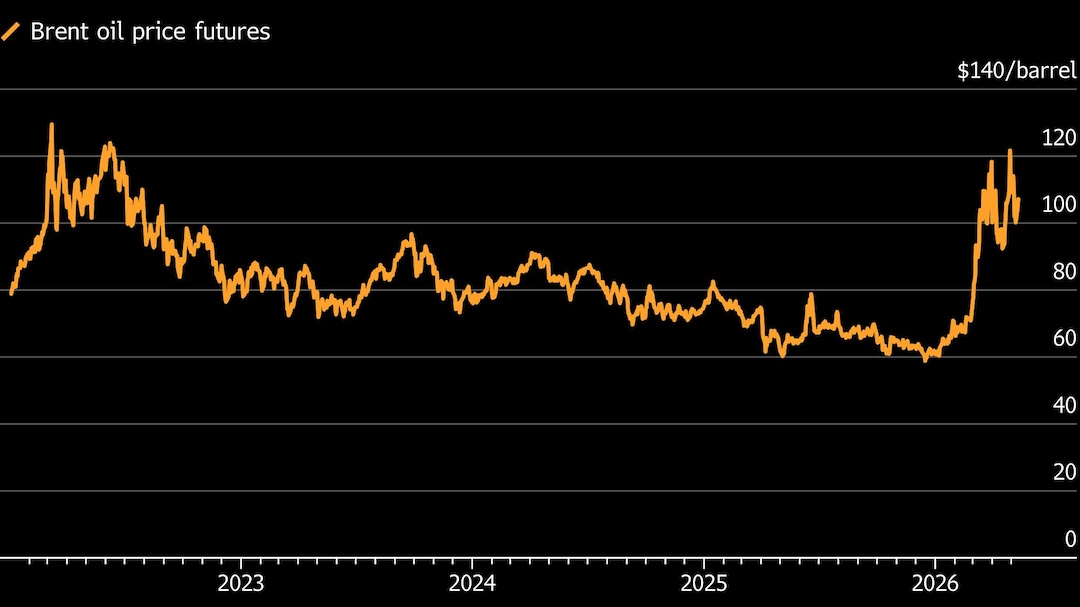
Photo Credit: Bloomberg
Higher prices for fuel, fertilizer and other petrochemicals would make some businesses unviable and hit the margins of others, the Treasury said in the report.
“We're hostage to developments in lots of ways,” Treasurer Jim Chalmers told reporters Tuesday. “The impacts of the war in the Middle East are already serious. There is still a risk that they become quite severe and we've tried to give you a sense of that severity.”
A prolonged war would also raise the prices of Australian exports of coal and LNG, providing some support to the economy.
However, the Labor government's central forecast is that inflation peaks in the three months through June and then starts to come down as the war ends. That is “heavily dependent, heavily hostage to developments overseas for obvious reasons, including the duration of the conflict,” Chalmers said.
ALSO READ: Qatar Asks LNG Ships At Export Hub To Go Dark In Safety Push
(This story has not been edited by NDTV staff and is auto-generated from a syndicated feed.)
Essential Business Intelligence, Sharp Market Insights, Practical Personal Finance Advice, Daily Fuel, Gold and Silver Prices and Latest Stories — On NDTV Profit.