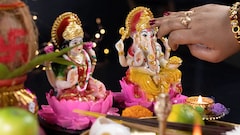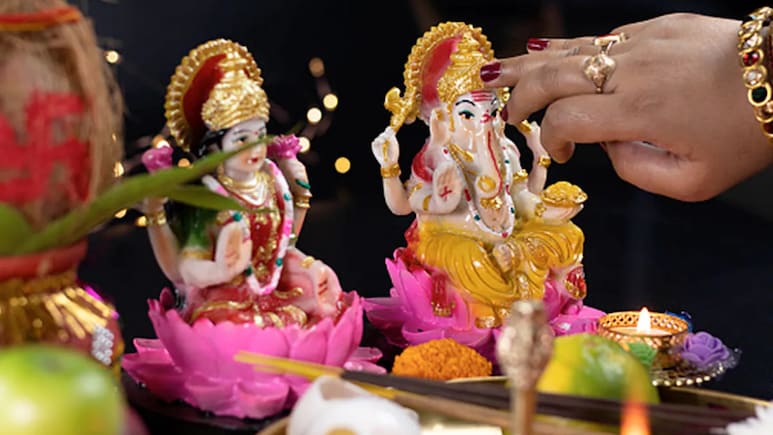
Diwali, the festival of lights, is celebrated with prayers, diyas, sweets and the worship of Goddess Lakshmi and Lord Ganesha. The Lakshmi-Ganesh Puja performed on Diwali is considered an important Hindu ritual, with devotees seeking blessings for wealth, prosperity, wisdom and happiness.
For Diwali 2026, Lakshmi Puja will be observed on Sunday, November 8. The evening puja is traditionally performed during Pradosh Kaal, an auspicious period around sunset.

-
 Indian Markets Turning Corner After Two Tough Years, Says Sandeep Tandon
-
 NDTV Profit Ignite 2026: Experts See Opportunity In Equities, Stay Bullish For Long-Term
-
 Buy Right, Sit Tight Does Not Work for Individual Stocks, Says Dinshaw Irani
-
 'Worst Is Behind': Quant MF Sees Market Bottom, Flags 'Extreme Euphoria' In Midcaps
-
 India's Mutual Fund Industry Could Become A $1 Trillion Opportunity, Say Fund Managers
-
 'Foreign Investors Are Baraatis': Raamdeo Agrawal's Take On LTCG Tax
-
 Stay Invested Through Market Cycles: Raamdeo Agrawal at NDTV Profit Ignite
-
 Ramesh Damani Remains Bullish On India For Next 20-30 Years, Sees Bargains Amid Market Weakness
-
 CAS Came After A Long Consultation Process: SEBI Chairman Tuhin Kanta Pandey AT NDTV PROFIT IGNITE
-
 Aim To Cut FPI Onboarding Time From Mth To Five Days: SEBI Chairman Tuhin Kanta Pandey AT NDTV PROFI
The puja can be performed at home with basic samagri, a clean prayer space and a series of traditional rituals. While customs may vary across regions and families, the main steps generally include Sankalp, Ganesh Puja, Lakshmi Puja, offerings, aarti and the lighting of diyas.
Also Read | Layoffs Are Rising In Tech, But These Skills Are Helping People Unlock Better Pay
Lakshmi-Ganesh Puja Samagri: Complete List
Devotees are advised to arrange the puja items before the evening ritual to avoid interruptions. The exact list may differ according to regional practices and family traditions.
1. Puja Setup
- Wooden chowki or low platform
- Red or yellow cloth
- Idols or pictures of Goddess Lakshmi and Lord Ganesha
- Kalash or lota
- Clean water or Gangajal
- Mango leaves
- Coconut
- Small plates for offerings
2. Puja Thali Items
- Roli or kumkum
- Turmeric (haldi)
- Akshat (unbroken rice)
- Chandan (sandalwood paste)
- Mauli (sacred thread)
- Flowers and garlands
- Betel leaves and supari
- Coins
- Panchamrit (Panchamrit is traditionally prepared using five ingredients: milk, curd, ghee, honey and sugar.)
3. Diya And Aarti Items
- Clay diyas
- Ghee or oil
- Cotton wicks
- Incense sticks or dhoop
- Camphor
- Bell
- Aarti thali
4. Bhog And Offerings
- Fruits
- Sweets, including laddoo or peda
- Kheer and batashe
- Dry fruits
- Makhana
- Water for offering
Lotus flowers are considered particularly auspicious for Goddess Lakshmi. Durva grass is commonly offered to Lord Ganesha.
Lakshmi-Ganesh Step-By-Step Puja Vidhi
The following is a commonly followed household procedure for Lakshmi-Ganesh Puja. Elaborate rituals may include additional mantras and offerings.
Step 1: Clean The House And Prepare The Puja Area
Clean the house, particularly the entrance and the space where the puja will be performed. Decorate the entrance with rangoli, flowers and torans. Some households also make small footprints using rice flour, symbolising the arrival of Goddess Lakshmi.
Place a wooden chowki in the puja area and cover it with a clean red or yellow cloth.
Step 2: Place The Idols Of Goddess Lakshmi And Lord Ganesha
Place the idols or pictures of Goddess Lakshmi and Lord Ganesha on the prepared platform. Arrange the puja samagri, flowers, sweets, coins and diyas around the idols. Families may follow their own customary arrangement for the deities.
Step 3: Kalash Sthapana
Kalash Sthapana is an important part of the traditional puja.
- Fill a kalash with clean water.
- Place a coin inside it, according to the customary ritual.
- Arrange mango leaves around its opening.
- Place a coconut on top.
- Apply a tilak and offer flowers.
The kalash is regarded as a symbol of auspiciousness, abundance and divine presence.
Step 4: Begin With Sankalp
Sankalp is the formal declaration of one's intention to perform the puja. The devotee sits before the deities, takes a small amount of water, rice and a flower in the hand, and states the purpose of the worship.
A simple Sankalp may be offered in one's own words, "On this auspicious occasion of Diwali, I perform Lakshmi-Ganesh Puja with devotion and seek blessings for the health, peace, happiness and prosperity of my family."
Step 5: Perform Lord Ganesha Puja
Lord Ganesha is worshipped before Goddess Lakshmi. Offer flowers, kumkum, sandalwood paste, akshat, durva grass and sweets to Lord Ganesha.
Devotees may chant, "Om Gan Ganapataye Namah." This mantra is commonly recited to seek the blessings of Lord Ganesha and remove obstacles before beginning an auspicious activity.
Step 6: Perform Goddess Lakshmi Puja
After Ganesh Puja, devotees worship Goddess Lakshmi.
The ritual generally includes:
- Dhyan: Meditation on Goddess Lakshmi.
- Avahan: Invoking the Goddess.
- Asana: Offering a symbolic seat.
- Snan: Offering a ritual bath to the idol, where customary.
- Vastra: Offering clothing or a sacred thread.
- Gandha: Applying sandalwood paste.
- Pushpa: Offering flowers.
- Dhoop: Offering incense.
- Deep: Offering a lamp.
- Naivedya: Offering food and sweets.
Devotees may chant, "Om Shreem Mahalakshmyai Namah." This is a commonly recited mantra during Lakshmi worship. Drik Panchang describes the elaborate Lakshmi Puja as Shodashopachara Puja, which involves 16 traditional forms of worship.
Step 7: Offer Bhog To Goddess Lakshmi And Lord Ganesha
Offer fruits, sweets, dry fruits, kheel, batashe and other customary food items to the deities. Water may also be offered as part of the ritual. The food offerings are later distributed among family members as prasad.
Step 8: Perform Kuber Puja And Saraswati Puja
Some households also worship Lord Kubera, the deity associated with wealth, and Goddess Saraswati, the deity of knowledge and learning. Business owners may perform Chopda Puja, during which account books, ledgers, pens and financial records are worshipped. These rituals are particularly common among business communities and may vary by region.
Step 9: Perform Lakshmi-Ganesh Aarti
The puja is traditionally concluded with aarti. Light the aarti lamp or camphor and sing the respective aartis of Lord Ganesha and Goddess Lakshmi. The aarti thali is moved in clockwise circles in front of the deities while devotees ring a bell and offer prayers.
Step 10: Distribute Prasad And Light Diyas
After the aarti, distribute prasad among family members. Light diyas at the entrance, windows, balconies and other suitable places around the house to mark Diwali.
Some traditions recommend keeping the main puja diya burning throughout the night. However, it should only be done where the lamp can be kept in a safe, supervised location away from combustible materials.
Why are Lakshmi and Ganesh worshipped together on Diwali?
Goddess Lakshmi is regarded as the deity of wealth, prosperity and good fortune. Lord Ganesha is worshipped as the remover of obstacles and the deity associated with wisdom and auspicious beginnings. The two deities are worshipped together on Diwali as devotees seek prosperity alongside wisdom and the ability to overcome challenges.
The festival is also associated with Lord Rama's return to Ayodhya after 14 years of exile. According to the traditional account, people illuminated the city with lamps to welcome Lord Rama, Goddess Sita and Lakshmana after his victory over Ravana.
Essential Business Intelligence, Sharp Market Insights, Practical Personal Finance Advice, Daily Fuel, Gold and Silver Prices and Latest Stories — On NDTV Profit.