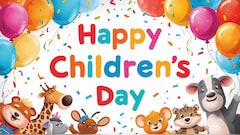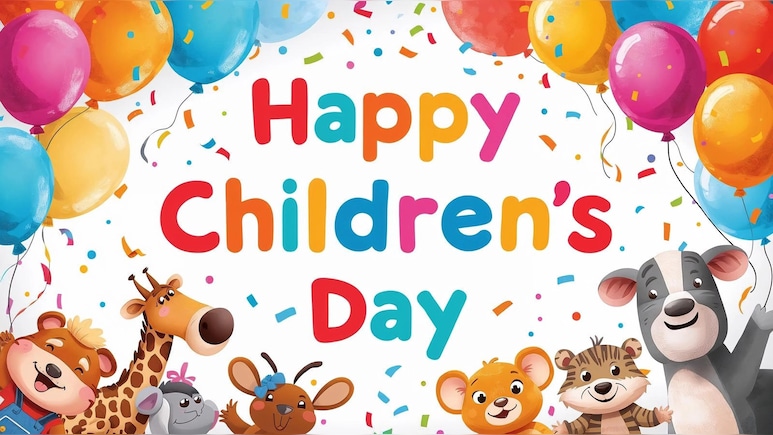
Children's Day 2026 will be celebrated in India on Saturday, November 14. Also known as Bal Diwas, the occasion is observed every year to commemorate the birth anniversary of India's first Prime Minister, Jawaharlal Nehru, who was popularly known as 'Chacha Nehru' because of his affection for children.
The day highlights the importance of children's rights, education, healthcare, safety and overall development. Schools and educational institutions across the country mark the occasion with cultural programmes, competitions, games, special assemblies and other activities dedicated to children.
While November 14 holds special significance in India, World Children's Day is observed internationally on November 20 every year. The two occasions share a common objective of promoting children's welfare and rights, although they have different historical associations.
Also Read | Layoffs Are Rising In Tech, But These Skills Are Helping People Unlock Better Pay
Here is everything you need to know about Children's Day 2026, including its date, history, significance and celebrations:
ALSO READ: Top LIC Schemes For Children: Securing Higher Education, Financial Milestones
When is Children's Day?: Date and Day
Children's Day will be observed on November 14, 2026, in India, which falls on a Saturday. The date remains fixed every year as it marks Jawaharlal Nehru's birth anniversary. India celebrates Children's Day on November 14 to mark the birth anniversary of Jawaharlal Nehru, who was born on November 14, 1889, in Allahabad, now known as Prayagraj in Uttar Pradesh.
Nehru was India's first Prime Minister and served in the position from August 15, 1947, until his death on May 27, 1964. He was known for his affection towards children and frequently emphasised the importance of their education and welfare. Nehru was popularly called Chacha Nehru because of his affection for children. He believed that education, scientific development and opportunities for young people were essential for building a progressive nation.
Children's Day: History
The history of Children's Day in India is closely associated with Jawaharlal Nehru and the country's efforts to promote children's welfare. Before India adopted November 14 as its annual Children's Day observance, the United Nations General Assembly recommended the establishment of Universal Children's Day in 1954. The initiative aimed to encourage understanding and promote children's welfare across countries.
Historical records from the Nehru Archives indicate that November 14 was already being observed as Children's Day in India by 1957, during Nehru's lifetime.
In a speech delivered on November 14, 1957, Nehru spoke about the importance of celebrating the occasion as Children's Day rather than allowing his birthday to overshadow its significance.
Following his death on May 27, 1964, the observance continued on his birth anniversary. November 14 subsequently became firmly associated with Children's Day celebrations across India. The historical timeline also includes Nehru's 74th birthday celebrations in 1963, when a children's fair was organised at the Children's Park near India Gate in New Delhi.
Children's Day: Significance
Children's Day is not merely an occasion for celebrations and entertainment. It also serves as a reminder of the responsibilities that families, educational institutions, communities and governments have towards children.
The occasion highlights several important issues such as:
1. Promoting Children's Rights: The day raises awareness about children's right to live with dignity and remain protected against abuse, exploitation, neglect, discrimination and child labour.
2. Importance Of Education: Children's Day highlights the need to ensure that every child has access to quality education, irrespective of their economic or social background.
3. Health And Nutrition: Proper healthcare, nutritious food and a safe environment are essential for children's physical and mental development.
4. Encouraging Creativity: Activities such as sports, music, art and cultural programmes help children explore their interests and develop their abilities beyond academics.
5. Child Safety And Protection: The occasion draws attention to the need to create safe environments for children at home, in schools and in public spaces.
6. Equal Opportunities: It encourages society to address inequalities and ensure that children from all backgrounds have opportunities to learn, participate and succeed.
How is Children's Day Celebrated in India?
Schools and educational institutions across India organise special activities to mark Children's Day. The celebrations are designed to make children feel appreciated while encouraging their participation in creative and recreational activities.
Some common celebrations include:
- Cultural Programmes: Students participate in dance performances, singing competitions, plays and skits.
- Speech Competitions: Children deliver speeches about Jawaharlal Nehru, childhood, education and children's rights.
- Drawing And Painting Competitions: Schools organise creative activities to encourage imagination and artistic expression.
- Sports And Games: Indoor and outdoor games, races and other recreational activities are organised.
- Special Assemblies: Teachers and school authorities conduct assemblies highlighting the importance of children's welfare.
- Gifts And Sweets: Students may receive chocolates, sweets, stationery and other small gifts.
- Teacher Performances: In some schools, teachers organise special performances and activities for students.
The celebrations vary across institutions, but the central idea remains the same: recognising the importance of childhood and creating an environment where children feel valued.
Is Children's Day A Public Holiday In India?
No, Children's Day is not a gazetted national public holiday in India. Schools and educational institutions generally organise special programmes and activities to mark the occasion. However, whether regular classes are suspended depends on the individual institution.
In 2026, November 14 falls on a Saturday, so celebrations and school schedules may vary depending on the institution.
ALSO READ: Invest Rs 5,000 Monthly In LIC: How Much Money Can Your Child Get By Age 18?
Essential Business Intelligence, Sharp Market Insights, Practical Personal Finance Advice, Daily Fuel, Gold and Silver Prices and Latest Stories — On NDTV Profit.