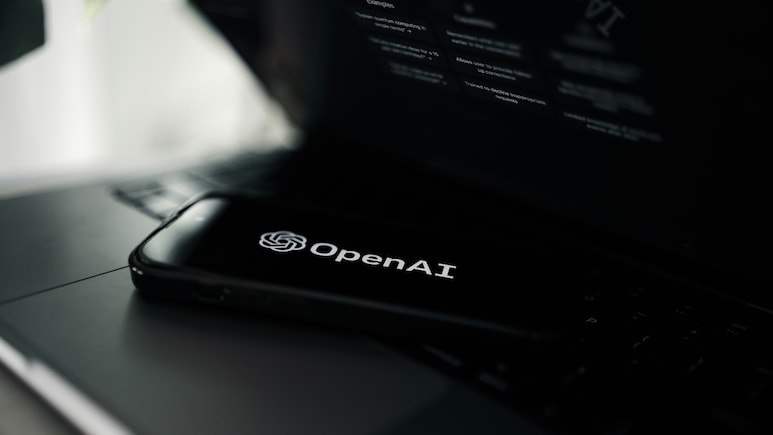
OpenAI is developing a new generation of smartphones that will be powered primarily by AI agents instead of traditional applications. According to noted analyst Ming-Chi Kuo, the company is collaborating with MediaTek and Qualcomm on the development of specialised smartphone processors, while Luxshare has been selected as the exclusive partner for system co-design and manufacturing. Mass production of the device is projected to begin in 2028.
OpenAI's AI Agents-Powered Smartphone To Replace Apps?
Rather than relying on numerous separate apps, OpenAI's purported smartphone would allow users to interact with AI agents capable of understanding their needs and completing tasks directly through the device. Such an approach will move away from app-centric interfaces towards agentic AI experiences.
Kuo says that the proposed device would feature tightly integrated cloud and on-device AI capabilities. On-device processing would focus on continuously understanding the user's context while managing power consumption, memory usage, and efficient execution of smaller AI models. More demanding or intensive tasks would be handled by cloud-based AI systems.
Also Read | Layoffs Are Rising In Tech, But These Skills Are Helping People Unlock Better Pay
OpenAI Partnering With MediaTek, Qualcomm, Luxshare
For processors, OpenAI is partnering with MediaTek and Qualcomm, while specifications and supplier arrangements are reportedly expected to be finalised by end of 2026 or the first quarter of 2027. Using the example of MediaTek's collaboration with Google on the TPU Zebrafish chip, Kuo suggest a single processor design could generate revenue comparable to that of 30 to 40 AI agent smartphone processors.
On the manufacturing front, OpenAI is reportedly collaborating with Luxshare for system co-design and assembly. “With an early position in the supply chain, Luxshare could become a leading beneficiary in the next smartphone generation,” Kuo said.
Kuo cites several reasons for OpenAI to enter the hardware market with its own smartphone. First, control over both the operating system and hardware would allow the company to deliver a seamless and comprehensive AI agent service. Second, the smartphone remains the only personal device that continuously captures a user's real-time context, location, activity, and preferences, providing input for advanced AI inference. Third, smartphones are expected to continue as the highest-volume consumer electronics category in the future.
Essential Business Intelligence, Sharp Market Insights, Practical Personal Finance Advice, Daily Fuel, Gold and Silver Prices and Latest Stories — On NDTV Profit.