Brazil looked destined for an early FIFA World Cup exit after a frustrating first half against Japan in Houston on Monday. Hajime Moriyasu's side defended resolutely, pressed aggressively in midfield and punished a Brazilian error through Kaishu Sano to take a deserved lead into the interval.
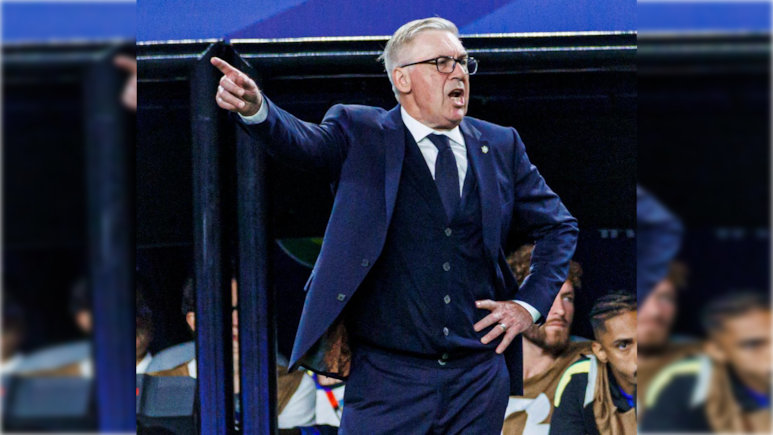
However, the complexion of the match changed after halftime as Carlo Ancelotti once again demonstrated why he is regarded as one of football's greatest managers. A series of tactical adjustments transformed Brazil's attack, helping the five-time world champions draw level through Casemiro before Gabriel Martinelli struck a dramatic stoppage-time winner.
The comeback sparked widespread praise across social media, with fans and analysts lauding 'Don Carlo' for his in-game management and describing the turnaround as another example of the Italian coach's tactical brilliance from the touchline.
Also Read | Layoffs Are Rising In Tech, But These Skills Are Helping People Unlock Better Pay
How Carlo Ancelotti Changed The Game
Brazil struggled to break through Japan's disciplined defensive structure during the opening 45 minutes. The Selecao enjoyed the majority of possession but moved the ball too slowly, allowing Japan's compact shape to close passing lanes and frustrate Vinícius Júnior and Matheus Cunha in the final third.
ALSO READ | Brazil vs Japan Highlights: Martinelli Completes Selecao Comeback as Samurai Blue Fall in Round of 32
Ancelotti's first major intervention came at halftime when he withdrew Lucas Paquetá and introduced teenage forward Endrick. Rather than making a like-for-like substitution, the Brazil coach reshaped his side from a 4-3-3 to a far more aggressive attacking 4-2-4 setup, effectively deploying two center forwards to occupy Japan's back three.
Ancelotti in-game management worked today
— KOT OCS👮👮 (@WaruiJohn2) June 29, 2026
Played 4-3-3, 4-2-4 sometimes
Brought Endrick for Paqueta which pushed Cunha deep to form midfield of 3 but turns to 4-2-4 in transition
Later on brought Martinelli for Cunha and Martinelli scored the winning goal
The adjustment pinned Japan's defenders deeper, prevented them from stepping into midfield and created additional space in midfield. It also injected far more pace and directness into Brazil's attacks, with Endrick's movement forcing Japan's defenders into uncomfortable positions.
Another subtle but significant tweak came down Brazil's left flank. Vinícius Júnior and Douglas Santos were given greater positional freedom, regularly rotating their roles instead of remaining fixed in wide areas. The constant movement stretched Japan's defensive shape and opened wider passing lanes into the penalty area.
Brazil's equaliser reflected that change in approach. Rather than recycling possession patiently, Gabriel Magalhães stepped forward from defence, attacked the space ahead of him and delivered the cross that Casemiro converted with a powerful header.
Ancelotti's final decisive move arrived midway through the second half when Gabriel Martinelli replaced Matheus Cunha. Operating as a left-sided No. 8 rather than an out-and-out winger, Martinelli gave Brazil greater energy in midfield, tracked runners diligently and was perfectly positioned in the box to score the stoppage-time winner.
Ancelotti also decided to keep faith with experienced midfielders Casemiro and Bruno Guimarães despite difficult first halves. The gamble paid off as Casemiro headed home Brazil's equaliser before Guimarães produced the assist for Martinelli's winner.
Among the many reactions online, one analysis broke down the tactical adjustments that helped Brazil turn the match around.
Brazil deserved that late winner.
— EBL (@EBL2017) June 29, 2026
Ancelotti did what he does best at half-time as he changed Brazil's press, made them more dynamic going forwards with Endrick on for Paqueta with Cunha in the left #8, and he adjusted the dynamic between Vini and Santos who were more fluid…
Another social media post praised Ancelotti's tactical adaptability, arguing Brazil's shift in attacking approach proved decisive.
Brazil started the World Cup attacking more wide than centrally. Then, he moved from attacking wide to attacking more centrally.
— Roger Bonet "Ruxi" (@Ruxiiii4) June 29, 2026
And when it felt they already had an idea, you faced Japan's defensive block, which won't allow you to progress centrally, at least in the current… https://t.co/uh1dIHQXDt
Another reaction hailed 'Don Carlo' for his trademark calmness on the touchline, crediting his player management and tactical trust for Brazil's comeback.
When Brazil was Down 1-0 at the half to Japan, the entire bench was panicking but everytime the camera pans to Ancelotti, he's relaxed. a lesser manager would have panicked and over-indexed on rigid tactics.
— Oyiga Micheal (@Nsukka_okpa) June 29, 2026
.That 2-1 comeback win was pure Don Carlo. It isn't old-school Joga…
Ancelotti when it's time to do a remontada in a big knockout match pic.twitter.com/eXvTcnUQUi
— (fan) Trey (@UTDTrey) June 29, 2026
Another reaction compared Martinelli's new role to Ancelotti's successful positional changes involving Andrea Pirlo and Ángel Di María, suggesting the Brazil coach may have another tactical masterstroke in the making.
Ancelotti changing lives and improving players.
— Nanbal Caesar (@uncle_finesse) June 29, 2026
He moved Pirlo from an AM and brought him in as a deep lying playmaker to become one of the greatest ever.
Di Maria in 2014 from the wing to CM and we won La Decima.
What is he cooking with Martinelli? 🤔 https://t.co/x6pJVmQ4vM
🚨🎙️Carlo Ancelotti on Gabriel Martinelli playing as a No. 8:
— ArsenalBlog (@_Arsenalblog) June 29, 2026
🗣️"When people talk about Martinelli, they immediately think of a winger because of his pace and his ability to beat defenders. But football has changed. The modern No. 8 is not only a passer—he must press, cover… pic.twitter.com/e6nN8PHqPF
ALSO READ | FIFA World Cup 2026: Endrick-Ancelotti Memes Explode On Internet. Here's why
Essential Business Intelligence, Sharp Market Insights, Practical Personal Finance Advice, Daily Fuel, Gold and Silver Prices and Latest Stories — On NDTV Profit.