- Dollar influences daily Indian life through imports and education expenses
- India imports 60% of edible oil and 80% of pharmaceutical chemicals used locally
- Rupee earnings contrast with dollar expenses, especially for overseas education
The dollar can reach your breakfast table before you've spent a rupee that morning. The dahi in your fridge may have been made in India, bought from the shop downstairs and paid for in rupees. The bacterial culture that turned the milk into curd may have come from abroad.
“You might think you're having dahi made in India,” Saurabh Mukherjea says in a podcast, “but the probiotics in that dahi come from abroad.” He makes the same point about the cultures that go into idli batter and kombucha.
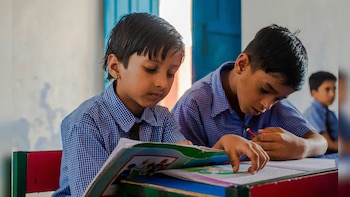
Then he works his way through the Indian household. The oil that fried your evening snack? Mukherjea puts India's dependence on imported edible oil at around 60%. The medicine from an Indian drugmaker? He estimates that about 80% of the chemicals that go into it come from overseas. Add the phones, the cameras, the foreign holidays and, for some families, the biggest expense of all, bacchon ka education.
Also Read | Layoffs Are Rising In Tech, But These Skills Are Helping People Unlock Better Pay
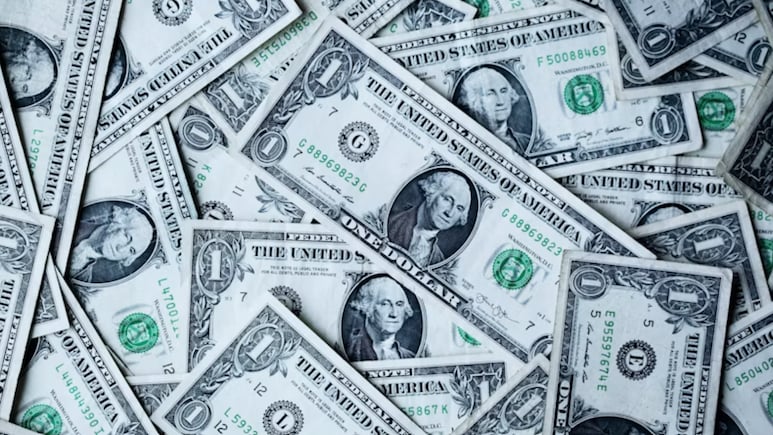
“We now, by and large, live a life where money is spent in dollars, even though our earnings are in rupees,” Mukherjea says.
“Yeh probiotic kya hai?”
Manish Hemnani, head of financial planning at Marcellus, extends the argument to a domestic flight. “The plane itself is made overseas, the engine is also overseas, the system that runs the ticket is also overseas,” he says. You can fly from Bengaluru to Delhi on a ticket bought in rupees and still be paying for a business with costs overseas.
When Hemnani once made the dahi point to an older man, he got a firm correction. “Nahi beta, tumko samajh nahi aaya. Dahi India mein jamta hai.” No, son, you don't get it. Dahi is set in India.
Hemnani agreed. He was talking about the culture that went into it. The man had another question. “Yeh probiotic kya hai?” What's a probiotic?
It reminds Hemnani of the old parable about two young fish. An older fish swims past and asks, “Hello boys, how's the water today?” The two carry on swimming until one turns to the other and asks what on earth water is.
“Kuch waisi sthiti hai,” Hemnani says. We're in much the same position. Imported goods and ingredients are so familiar that the foreign currency behind them barely registers. The price tag is in rupees. So is the balance on the investment statement. “That's why we don't see it.”
“Kamai rupaye mein hai,” he says. The salary comes in rupees. For many families, the savings from that salary also go almost entirely into Indian investments. That combination can get expensive when a large bill comes due in dollars.
The Bengaluru father who opened a spreadsheet
Vikram, as Marcellus calls him, is 49, holds a senior tech job in Bengaluru and has a daughter in Class 12. In 2018, his wife sat him down. “Beti hai, isko hum bahar bhejenge padhne ke liye.” We have a daughter, and we're going to send her abroad to study.
Vikram had a background in tech finance. He opened a spreadsheet and estimated that a four-year degree in the US would have cost about Rs 1.2 crore in 2018, including living expenses. He allowed for US education costs to rise 3% a year and for the rupee to weaken 2.5% a year. Most parents, Hemnani says, forget to budget for that second part. Vikram put his target for 2027 at about Rs 2.2 crore.
His broker told him to expect 15% returns. Vikram pencilled in about 13%, using the Nifty 500's long-run performance as a guide. He invested Rs 65 lakh in 2018.
“Matlab Vikram sab kuch perfect kar raha hai,” Mukherjea says. Vikram had started early, put aside a substantial sum and allowed for a weaker rupee.
When Marcellus met him, his daughter had about a year to go before university. His investments were worth about Rs 1.5 crore. The estimated bill had risen to Rs 2.7 crore. The bill went up. The portfolio fell behind.
Vikram had budgeted for a dollar costing about Rs 80 by 2027. “Abhi khada hai 95 pe,” Hemnani says in the podcast. It's at 95 now. The rupee had weakened faster than Vikram expected, helping push the estimated cost of the degree about Rs 50 lakh above his original target.
His investments had a timetable of their own. Covid knocked the portfolio off course, then the bull run put it ahead again. After that came two years in which, in Hemnani's telling, Indian investments “haven't made any money.” That stretch mattered because it came so close to the year Vikram needed the money. There was little time left for the recovery his spreadsheet had effectively counted on.
All Rs 65 lakh had gone into Indian equities. The university would bill him in dollars. Even as the portfolio grew in rupee terms, the weaker currency made each dollar of tuition and living expenses more expensive to buy. “Toh mismatch ho gaya,” Hemnani says. “Jo gap close hona tha, woh actually khul gaya.” The gap that was supposed to close had widened.
Using Marcellus's rounded figures, the shortfall was about Rs 1.2 crore.
“Prabhu, bacha lo hamari compounding”
“Mujhe samajh nahi aa raha yaar,” Mukherjea says, half laughing. Here was a financially literate Bengaluru professional about his own age who had done the homework. What more could he have done?
“Planning is point-in-time correct,” Hemnani says. “Assumptions are guesses.” He suggests revisiting the plan every year and looking more closely as the payment approaches. An updated tuition estimate, a fresh look at the exchange rate and the actual value of the portfolio can show a parent how much ground there is to make up while there's still time.
His second point is about the currency the university will ask for. “If your goals are in dollars, your investments should also be in dollars.” Holding part of the education fund in dollar assets would have reduced the effect of a weaker rupee on that portion of the bill.
Hemnani's sharpest line is reserved for the way Indian investors talk about diversification. A family can own four mutual funds, three PMS accounts and 20 stocks and still have most of its money tied to one country's equity market. “Ek hi desh ke equities mein paisa daal ke, single country, single asset class daal ke, bhayankar pooja karte hain ki prabhu bacha lo hamari compounding,” he says. Put it all in one country's equities, then pray hard that God saves your compounding.
He makes the case for spreading investments across markets, currencies and assets, from overseas equities to gold, fixed income and REITs. For Vikram, the most immediate question was how much of his daughter's dollar bill his savings could pay when it came due.
The dollar in a bowl of dahi is easy to miss. On a US tuition bill, it's printed right there. Vikram saw that bill coming in 2018. A year before his daughter was due to leave, the degree cost about Rs 50 lakh more than he had budgeted, and his investments were about Rs 70 lakh below his original target. By then, the spreadsheet had one date he couldn't move. His daughter was about to start college.
Essential Business Intelligence, Sharp Market Insights, Practical Personal Finance Advice, Daily Fuel, Gold and Silver Prices, Watch Business News Live and Latest Stories — On NDTV Profit.