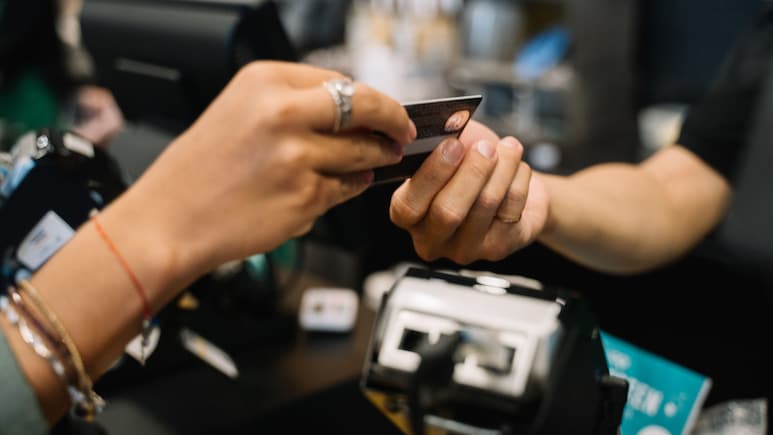
With the onset of the festive season, everyone has a shopping list ready. From small household upgrades to buying a car or gold, Diwali is a popular time for big purchases. Sellers across India try to attract customers with attractive offers and discounts. They also provide flexible payment options, such as no-cost EMI, to make expensive purchases more affordable.
ALSO READ: Silver Is Now Down From Rs 4.2 Lakh To Rs 1.9 Lakh: Where It Goes From Here

-
 India's Market Leaders To Decode The New Samvat At NDTV Profit Ignite In Mumbai On Oct 28
-
 NDTV Profit IGNITE Diwali 2026: Top Market Veterans Decode Wealth Creation
-
 The Week Ahead: Earnings Season, Fed Policy Verdict And Crude Oil In Focus
-
 Silver Is Now Down From Rs 4.2 Lakh To Rs 1.9 Lakh: Where It Goes From Here
-
 NDTV Ignite, The Trillion-Dollar Trajectory: India's Road to 2030
If you are planning to buy something big, comparing offers across stores and online platforms can help you save money. However, some deals come with conditions that are easy to miss. The offer may look great on paper, but may not always be the best choice.
Also Read | Layoffs Are Rising In Tech, But These Skills Are Helping People Unlock Better Pay
For instance, should you choose an instant cash discount or opt for no-cost EMI? The answer depends on the actual cost and terms of each offer.
No-Cost EMI
No-cost EMI lets you pay for a purchase in monthly installments. Instead of paying the full amount upfront, you pay the value of your product over time with no extra interest rate. However, processing fees, GST or other charges may still apply.
Even as most sellers advertise no-cost EMI, there can still be hidden charges you may miss. For instance, many sellers provide no cost EMI, only if you buy on MRP, which means you will miss out on the festive price of the product. Additionally, processing fees and other charges can increase your overall cost.
Cash Discount v No-Cost EMI
Between these two offers, it may be more financially sensible to choose the instant discount over no-cost EMI. If you can afford to pay upfront without affecting your savings, taking the discount may help you save more.
With no-cost EMIs, you must confirm whether the offer is available on the discounted price or only on the MRP. Also, check for processing fees, applicable taxes and other charges that could increase the total cost. With such offers, your bank is likely to levy a transaction charge for every EMI, which increases the actual cost of a "No Cost" EMI.
While these costs may feel small for low value purchases, they can add up for big ticket items. That is why you must confirm the better option after comparing the final amount you would need to pay.
Essential Business Intelligence, Sharp Market Insights, Practical Personal Finance Advice, Daily Fuel, Gold and Silver Prices and Latest Stories — On NDTV Profit.