- Nikhil Kamath suggests starting content creation as a low-cost business with potential audience value
- He believes audience reach and taste will outpace manufacturing as key competitive advantages
- Kamath highlights growth of brands using content and distribution over traditional manufacturing firms
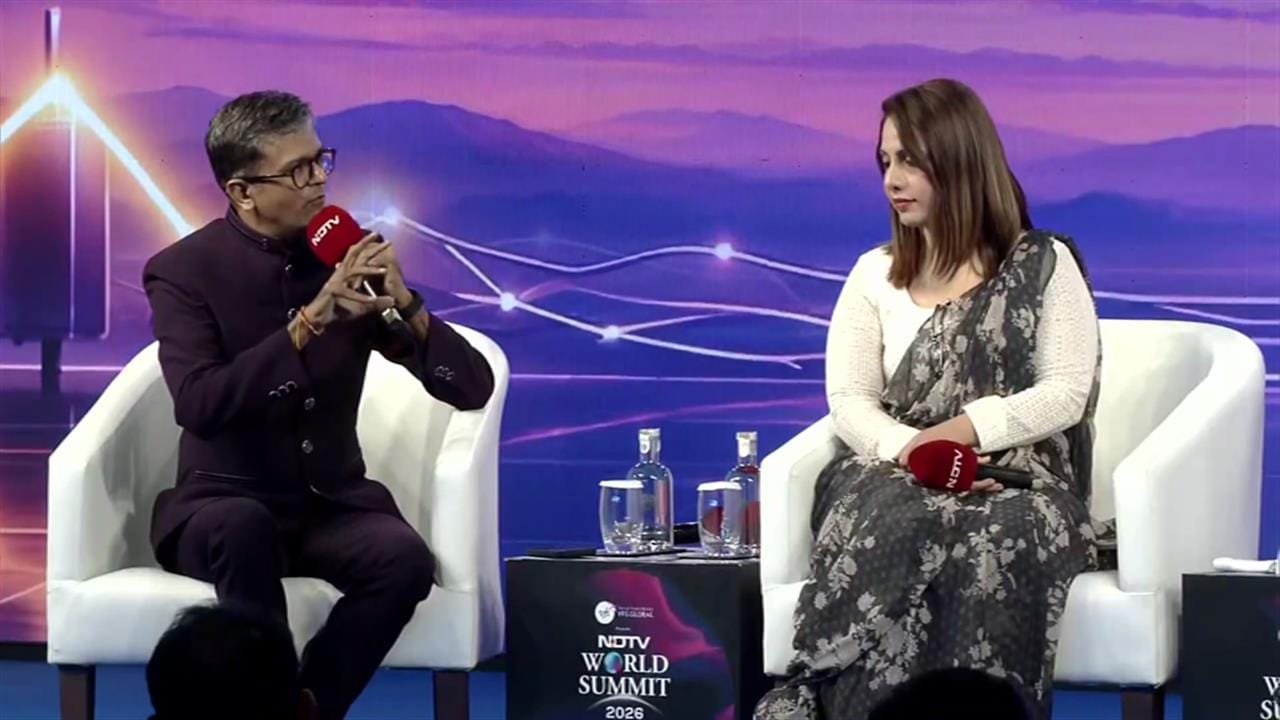
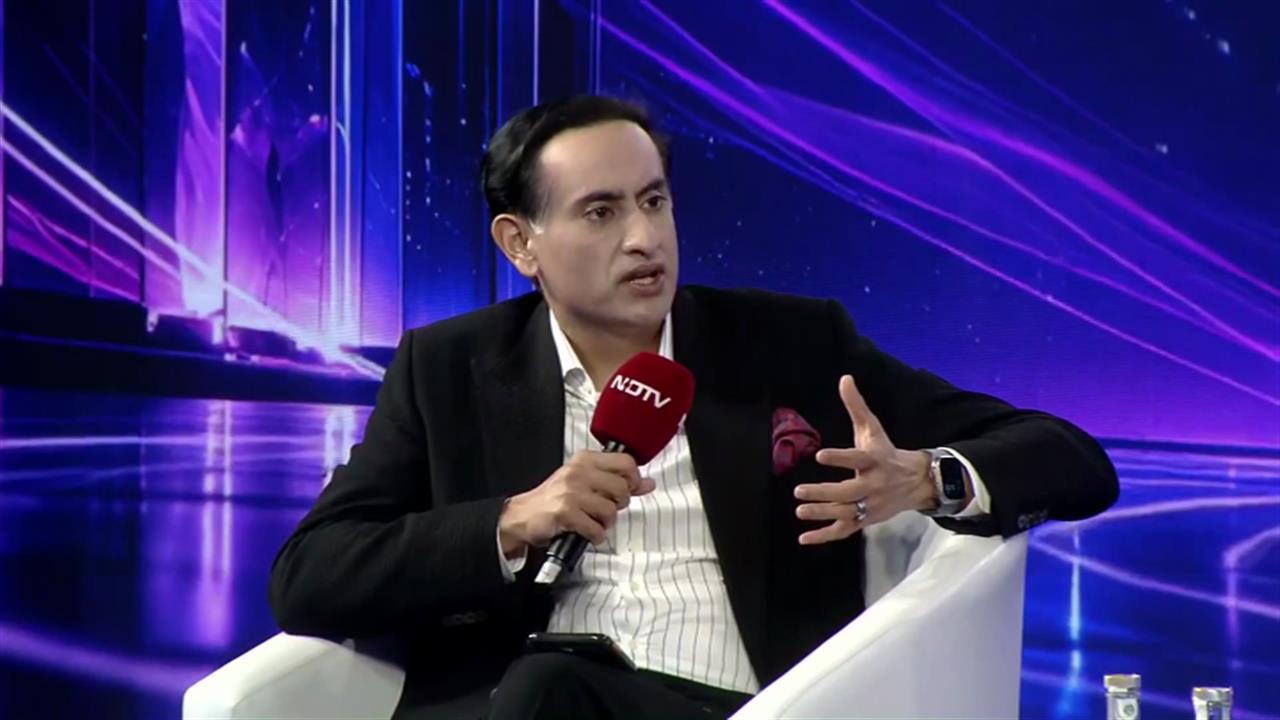
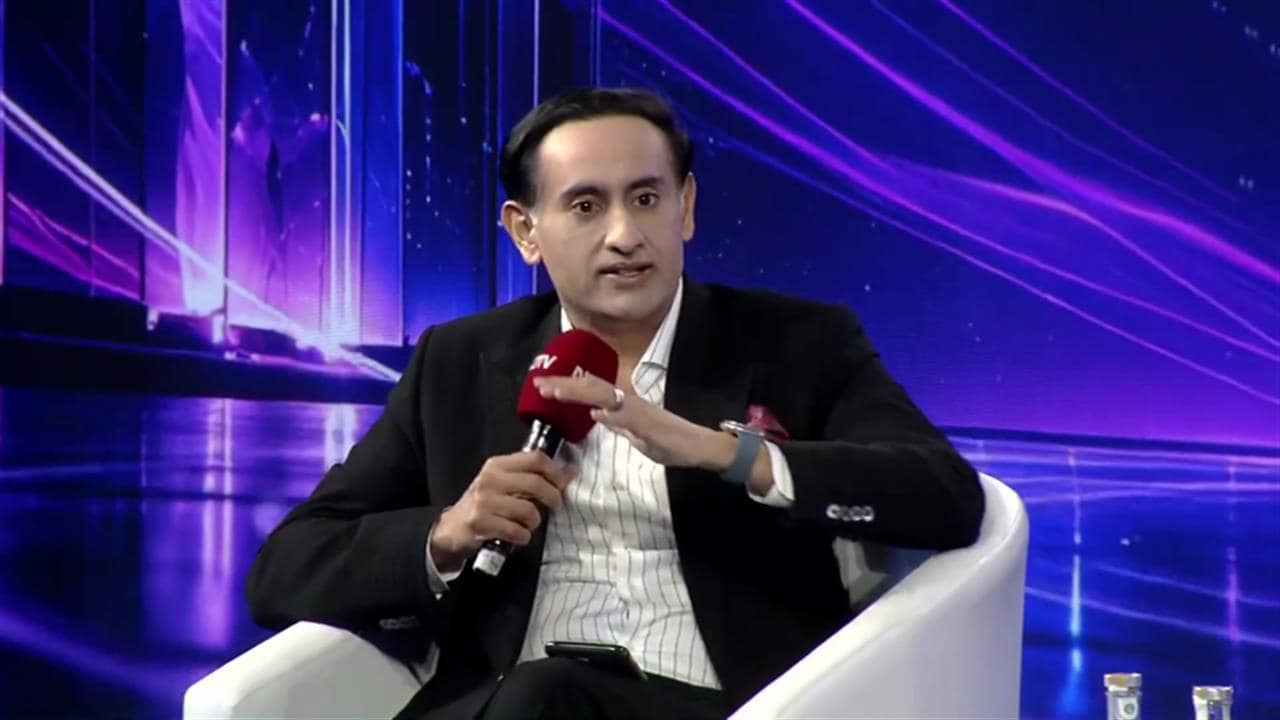
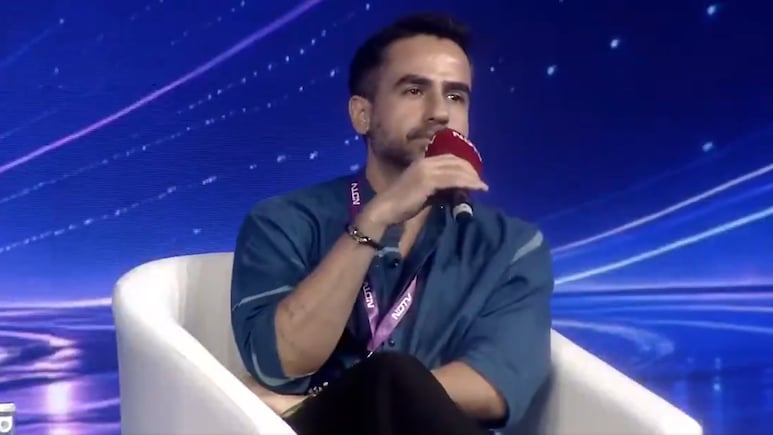
If Zerodha disappeared and Nikhil Kamath had to start again with Rs 10 lakh, his existing knowledge and none of his contacts, what would he do the next morning? The Zerodha co-founder's answer: perhaps start making content.
“Well, I hope that doesn't happen,” Kamath said at the NDTV World Summit 2026, drawing laughter. “Life would be hard.”
But when he considered how he might rebuild, he pointed to a business that requires relatively little money to enter and can create something other businesses need: an audience.
Also Read | Layoffs Are Rising In Tech, But These Skills Are Helping People Unlock Better Pay
“Making content is one of the few things where anybody can do it. There is no cost attached doing it in the beginning,” he said.
“And if you get any kind of distribution, you can slap a business on top.”
That business could sell consumer products or take several other forms. The starting point, in his telling, would be finding people willing to watch, listen or engage.
Why An Audience Could Become More Valuable
Kamath linked that choice to the changes being driven by artificial intelligence and increasingly automated manufacturing.
As technology and production become more widely accessible, he argued, the ability to make something may become less of a competitive advantage. Knowing what people want, and being able to reach them, could carry greater weight.
“I feel like taste and nuance and having distribution becomes the differentiation,” he said.
Kamath recalled tracking consumer giants Hindustan Unilever and ITC, which he said had commanded expensive valuation multiples. He contrasted their multiple compression over the past decade with the growth of newer brands built around content and alternative distribution channels.
His argument was that as manufacturing and technology become more commoditised, an audience and the judgement to serve it could become increasingly important.
Another Rs 10 Lakh Opportunity: Indian Talent, Overseas Customers
Asked separately about opportunities someone could explore with Rs 10 lakh, Kamath suggested combining India's labour-cost advantage with technology to serve customers abroad.
“In India, you can employ an engineer at maybe $500 a month to $1,000 a month,” he said.
Pairing that talent with an AI model could, he suggested, create a service in which people and technology work together for overseas customers who do not have access to the same cost advantage.
He described the approach as “half human and half tech coming together”.
“That's maybe something I would consider,” Kamath said.
The two answers offered different starting points: build an audience that can support a business, or build a technology-assisted service around Indian talent. Both centred on finding an advantage beyond simply having access to technology.
Essential Business Intelligence, Sharp Market Insights, Practical Personal Finance Advice, Daily Fuel, Gold and Silver Prices and Latest Stories — On NDTV Profit.