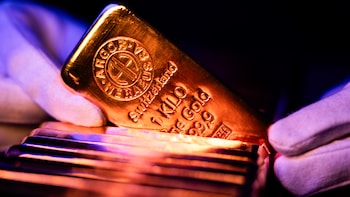
Gold and silver exchange-traded funds (ETFs) have witnessed a reversal after delivering sizeable gains in recent months. The correction has prompted investors to reassess their systematic investment plans (SIPs), with some considering whether to keep investing, put contributions on hold or withdraw their money.
The decline can be particularly concerning for investors who entered the market when precious metal prices were climbing. Yet, a short-term correction does not necessarily signal a change in the long-term outlook. Investors need to assess their financial objectives, investment timelines and existing allocation to gold and silver before making any changes to their portfolios.
Why Are Gold And Silver ETFs Falling?
The movement in gold and silver prices is shaped by a combination of economic conditions and global events. Interest rate decisions and expectations, the strength of the US dollar, geopolitical risks and demand for safe-haven investments all play a role in determining their market value.
Also Read | Layoffs Are Rising In Tech, But These Skills Are Helping People Unlock Better Pay
ALSO READ | EPFO Changes PF Withdrawal Rules, Allows Members To Withdraw 90% Savings
A shift in the interest rate outlook or profit-booking following a prolonged price rally can trigger a correction. Silver is often more prone to volatility than gold because its price depends not only on investor interest but also on demand from industries that use the metal.
Since gold and silver ETFs derive their value from the underlying commodities, changes in their market prices directly affect their net asset values (NAVs).
Should You Continue Your SIP?
Investors who can remain invested over an extended period may find it worthwhile to continue their SIPs. Investing at regular intervals helps them purchase ETF units at varying price points. When prices fall, the same contribution buys more units, which can help lower the average cost of investment over time.
Following this strategy also means investors do not have to make decisions based on daily market movements. Those holding gold and silver ETFs to spread risk across asset classes may be better off sticking to their intended allocation, provided it remains aligned with their financial goals.
When Should You Consider Pausing?
Taking a break from SIP contributions may be worth considering if an investor's financial priorities have shifted. A change in income, an immediate need for cash or an unexpectedly high allocation to precious metals could justify reviewing the existing investment schedule.
The same applies to portfolios where a sharp rise in gold and silver prices has increased their overall share beyond the desired limit. Rather than continuing to invest at the previous rate, investors may consider rebalancing their holdings to bring asset allocation back in line with their financial plan.
Should You Stop Investing Altogether?
A decline in gold and silver prices does not necessarily warrant an immediate exit. Selling investments during a market downturn could leave investors out of the market when prices eventually recover.
Investors must also recognise that precious metals are not income-generating assets. Unlike fixed deposits or dividend-paying stocks, gold and silver do not provide periodic returns. Their prices can also remain under pressure for prolonged periods, making them unsuitable as a guaranteed source of wealth creation.
A well-defined investment plan and the discipline to follow it can help investors navigate market volatility without making decisions driven by panic.
ALSO READ | Direct Mutual Funds Become The Default: What Does This Mean For Existing SIP Investors?
Essential Business Intelligence, Sharp Market Insights, Practical Personal Finance Advice, Daily Fuel, Gold and Silver Prices, Watch Business News Live and Latest Stories — On NDTV Profit.