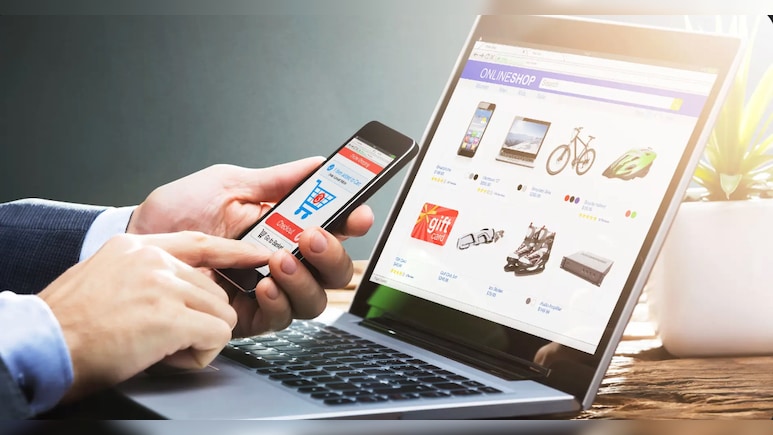
Festive sales may offer attractive deals, but the way customers pay can significantly change the final cost of a purchase. Whether they use UPI, a debit or credit card, or opt for a no-cost EMI, each payment method comes with different costs and terms.
Cash (UPI/Debit Card)
Paying for a purchase upfront through UPI or cash keeps things straightforward, with no instalments or outstanding dues to manage.
Also Read | Layoffs Are Rising In Tech, But These Skills Are Helping People Unlock Better Pay
However, paying in full can mean missing out on some of the biggest discounts, which are often tied to select bank cards. A large one-time payment can also reduce the cash available for emergencies or other immediate expenses.
ALSO READ: Rs 10,000 A Month Into Crypto Vs Rs 10,000 Into Mutual Funds: What Changes Over Five Years?
Credit Cards
Festive sales can make credit cards an attractive payment option. Particularly when the full bill is cleared before the due date. Banks often join forces with online marketplaces for limited-period promotions. They offer instant discounts of around 10% as well as reward points on eligible purchases. A Rs 50,000 transaction with a 5% discount would reduce the amount payable to Rs 47,500.
There is also a cash-flow benefit. The money does not leave the buyer's bank account until the card payment becomes due, giving them a few weeks to retain those funds in a savings account. The calculation changes if the bill is only partly paid. Outstanding balances can attract annual interest of 36% to 42%. It would potentially erase the savings from the original festive offer.
No-Cost EMI
The final cost of a no-cost EMI purchase can be higher than it initially appears because of charges that are easy to overlook. Customers opting for EMI may miss out on instant discounts available on full-payment transactions. Banks may also levy a non-refundable processing fee, typically between Rs 199 and Rs 299, while 18% GST on the interest component adds to the overall cost.
For example, a Rs 50,000 purchase made through no-cost EMI could result in an effective outlay of more than Rs 50,600 after fees and GST. By comparison, an upfront purchase with an instant discount could bring the price down to Rs 47,500.
For consumers who have enough funds available, paying the full amount through a credit card may work out cheaper, provided the bill is cleared in full by the due date. EMI financing, meanwhile, may make more sense for essential, high-value purchases where avoiding a large immediate cash outflow is the priority.
Essential Business Intelligence, Sharp Market Insights, Practical Personal Finance Advice, Daily Fuel, Gold and Silver Prices and Latest Stories — On NDTV Profit.