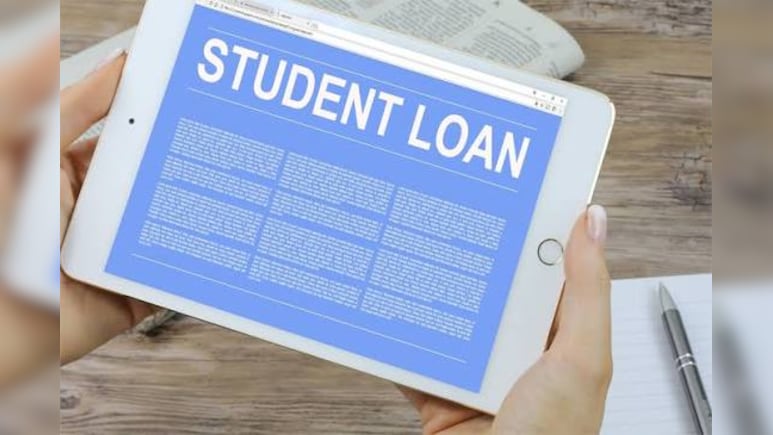
An education loan can place considerable pressure on a borrower's finances, with tuition costs, accommodation and future repayments already demanding attention. An insurance premium deducted from the sanctioned loan amount can make matters more difficult, particularly if the borrower was neither told about the policy nor asked to approve the purchase.
Banks and other lenders often offer insurance cover with education loans to safeguard against unforeseen events, including the borrower's death or permanent disability.
Such protection can help prevent the outstanding debt from becoming an additional burden on the family. The issue arises when lenders include these policies without clearly explaining the terms or obtaining the borrower's consent.
Also Read | Layoffs Are Rising In Tech, But These Skills Are Helping People Unlock Better Pay
ALSO READ | What Happens To Your Indian PPF And NPS Tier II Investments After Moving Abroad
Is Insurance Compulsory With An Education Loan?
Students taking loans for higher education are not necessarily required to purchase an insurance policy along with the borrowing. Although banks may recommend insurance to cover potential repayment risks, they cannot treat the purchase as automatic or deduct the premium without the borrower's authorisation.
The RBI's customer protection framework expects banks to maintain transparency in their dealings with customers. Before an insurance product is accepted, the borrower should receive details about the premium payable, risks covered, policy conditions and other relevant terms. This allows customers to make an informed choice rather than discover an additional expense after the loan has been disbursed.
What Can Borrowers Do About Unauthorised Deductions?
Borrowers who discover an unexpected insurance charge should begin by reviewing the documents associated with their education loan. The sanction letter, loan agreement and bank statements can help establish whether the insurance product was disclosed during the application process.
They should also ask the lender to provide the policy document, signed proposal form, proof of consent and receipt showing the premium payment.
If there is no evidence that the borrower agreed to the insurance, the matter should be taken up in writing with the bank's grievance redressal officer. The complaint should explain that the policy was introduced without informed approval and seek its cancellation along with a refund of the amount deducted.
The insurance provider should also be approached separately. Borrowers can ask the company to share the records used to issue the policy and establish whether proper authorisation was obtained.
ALSO READ | Sukanya Samriddhi Vs PPF: What Can Double Your Daughter's Investment Corpus Sooner?
If the purchase went ahead without permission or on the basis of misleading information, they can seek cancellation and repayment of the premium.
When Can You Approach The RBI Or Insurance Ombudsman?
A bank's failure to address the grievance does not have to end the matter. Borrowers can approach the RBI through its Complaint Management System under the Integrated Ombudsman Scheme if the bank turns down their request, offers an unsatisfactory resolution or remains silent for more than 30 days.
Complaints relating directly to the insurer can be taken to the Insurance Ombudsman. Borrowers should check the applicable rules, eligibility criteria and limits before initiating the process.
Documentation can play a crucial role in resolving disputes over unauthorised insurance deductions. Borrowers should keep copies of their loan paperwork, bank transaction records, email exchanges and acknowledgements issued against complaints.
Together, these can help demonstrate whether the premium was charged without the customer's knowledge or permission.
Essential Business Intelligence, Sharp Market Insights, Practical Personal Finance Advice, Daily Fuel, Gold and Silver Prices and Latest Stories — On NDTV Profit.