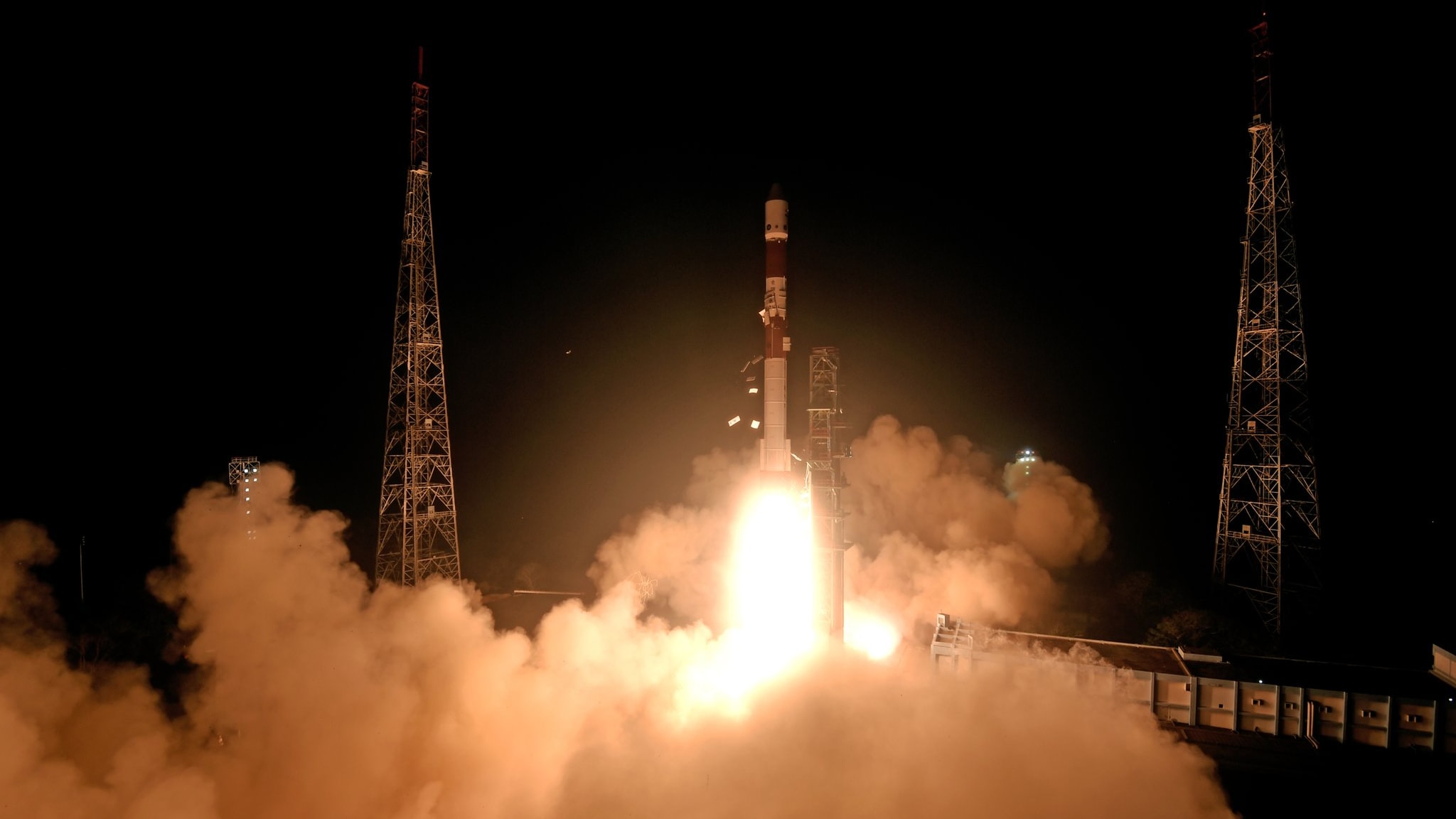
India plans to launch more than 100 satellites over the next 15 years, and it will be a mix of government technology missions and private sector-led operational missions, Science and Technology Minister Jitendra Singh said here on Saturday.
He also released a roadmap for the space sector for the next 15 years during the second National Space Day celebrations in the presence of Indian Space Research Organisation, Chairman V Narayanan, INSPACe Chairman Pawan Goenka and four astronauts short-listed for the Gaganyaan mission.

-
 Indian Markets Turning Corner After Two Tough Years, Says Sandeep Tandon
-
 NDTV Profit Ignite 2026: Experts See Opportunity In Equities, Stay Bullish For Long-Term
-
 Buy Right, Sit Tight Does Not Work for Individual Stocks, Says Dinshaw Irani
-
 'Worst Is Behind': Quant MF Sees Market Bottom, Flags 'Extreme Euphoria' In Midcaps
-
 India's Mutual Fund Industry Could Become A $1 Trillion Opportunity, Say Fund Managers
-
 'Foreign Investors Are Baraatis': Raamdeo Agrawal's Take On LTCG Tax
-
 Stay Invested Through Market Cycles: Raamdeo Agrawal at NDTV Profit Ignite
-
 Ramesh Damani Remains Bullish On India For Next 20-30 Years, Sees Bargains Amid Market Weakness
-
 CAS Came After A Long Consultation Process: SEBI Chairman Tuhin Kanta Pandey AT NDTV PROFIT IGNITE
-
 Aim To Cut FPI Onboarding Time From Mth To Five Days: SEBI Chairman Tuhin Kanta Pandey AT NDTV PROFI
Singh said the roadmap will guide India's space journey to 2040 and beyond, supporting the vision of Viksit Bharat by leveraging space technology for food and water security, disaster resilience, environmental sustainability and inclusive growth.
Also Read | Layoffs Are Rising In Tech, But These Skills Are Helping People Unlock Better Pay
He said India's space programme has entered a transformative phase, where it is no longer confined to symbolic achievements but has become a vital contributor to the country's scientific progress, technological innovation and public welfare.
The minister added that the opening up of the space sector to private players has brought in a new wave of innovation and entrepreneurship. From once being limited to government-led projects, India today has hundreds of start-ups engaged in developing technologies with potential applications in interplanetary exploration as well as in day-to-day governance, he noted.
Space technology has silently entered people's lives, powering projects such as those for disaster management, infrastructure monitoring, smart-city planning, housing programmes and even land-ownership mapping through drones, Singh pointed out.
The minister outlined the ISRO's future programmes and said the launch of the uncrewed Gaganyaan-1 mission was expected to take place by the year-end. Gaganyaan-1 will be a human-robot mission with a humanoid robot, Vyommitra, travelling to space.
In 2027, India will attempt its first human spaceflight under the Gaganyaan mission, followed by Chandrayaan-4 in 2028, a mission to Venus, and the establishment of the proposed Bharat Antariksh Station by 2035. Singh said the country has also set its sights on placing an Indian astronaut on Moon by 2040.
Essential Business Intelligence, Sharp Market Insights, Practical Personal Finance Advice, Daily Fuel, Gold and Silver Prices and Latest Stories — On NDTV Profit.