- Saurabh Mukherjea sees value in largecaps like Asian Paints after recent market correction
- A 4-5% relief rally is expected once Middle East tensions ease and Strait of Hormuz reopens
- Investments focus on export sectors like pharma and textiles amid currency benefits and China shift
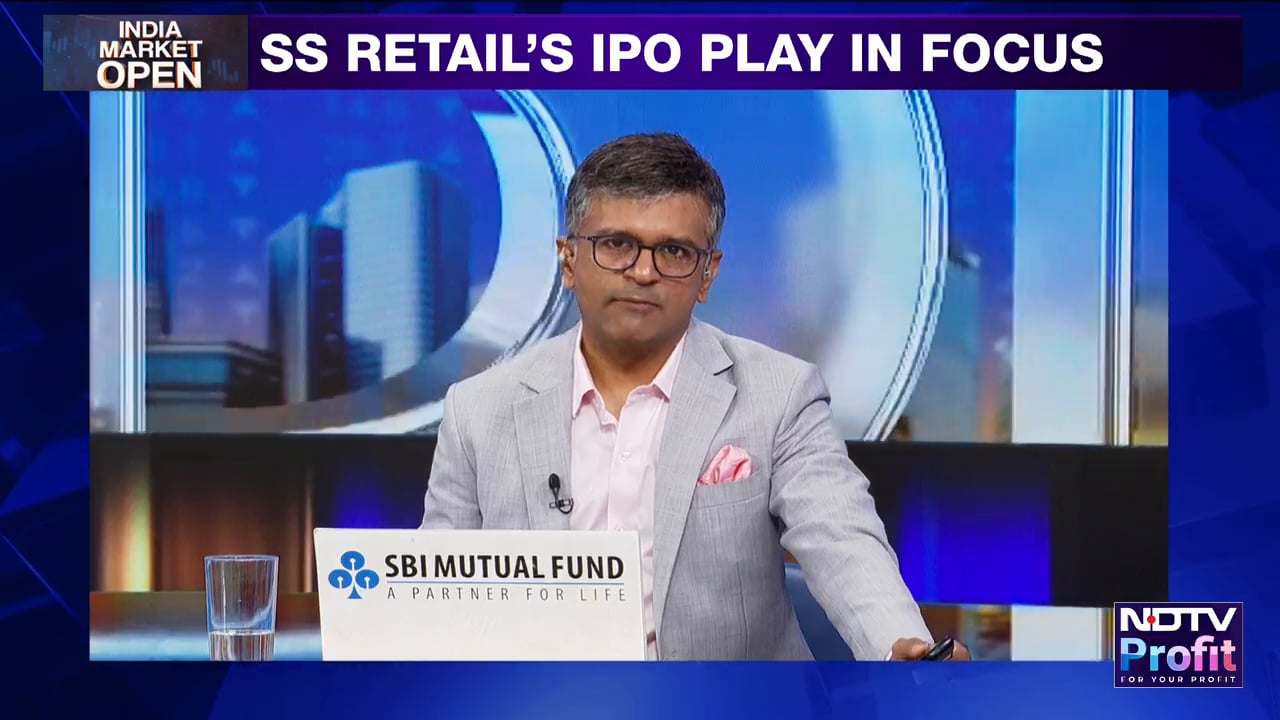
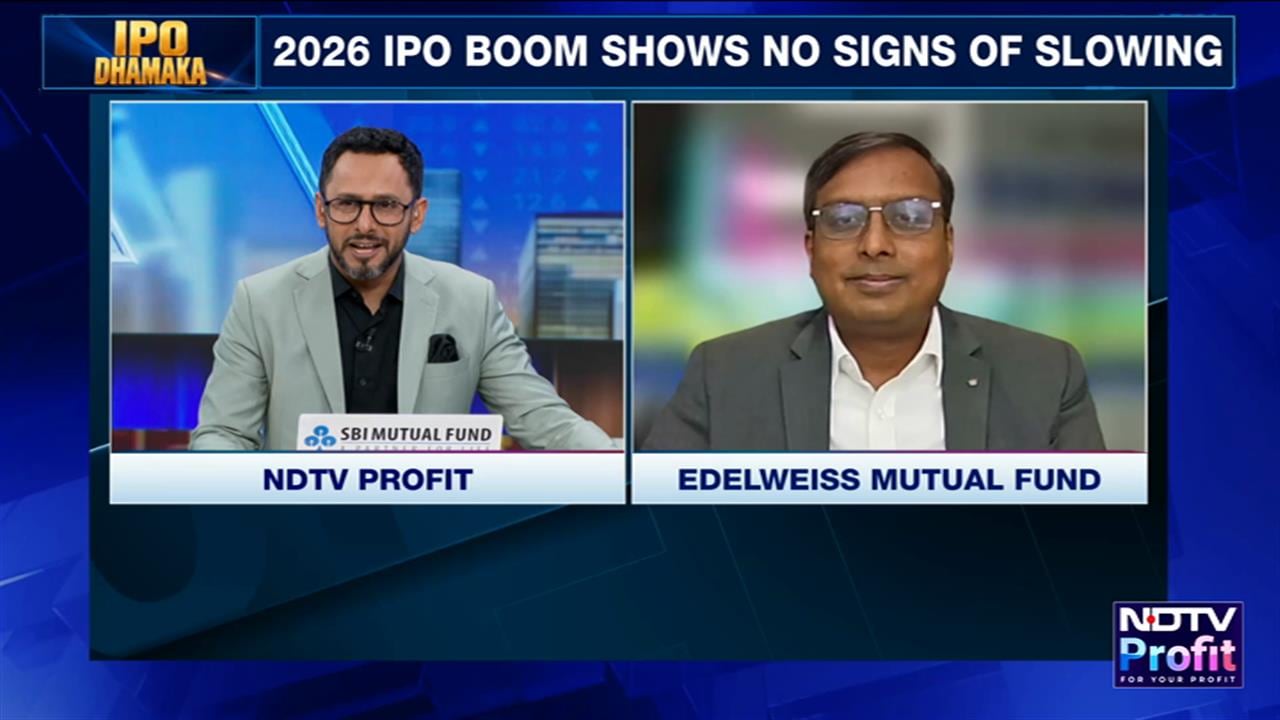
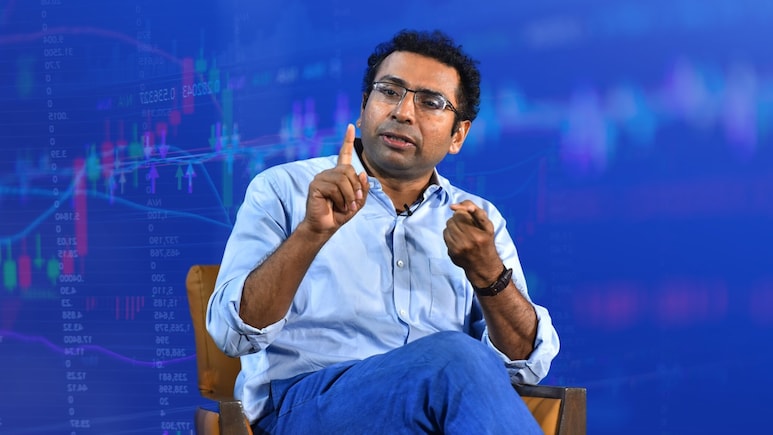
Saurabh Mukherjea, founder of Marcellus Investment Managers Pvt., said the stock market correction over the recent weeks has led to value emerging in high-quality large-caps like his long-time favourite Asian Paints Ltd. He anticipates a modest 4-5% relief rally once tensions in the Middle East ease and the Strait of Hormuz reopens.
The firm is investing in export-oriented sectors like pharma, pharmaceutical intermediates, and textiles due to currency advantages and the West reducing dependence on China, Mukherjea told NDTV Profit in a televised interview. The basket for export-oriented plays include large-, mid- and small-caps.
He also said domestic themes like diagnostics, hospitals and pharma will withhold external shocks in the markets.
Also Read | Layoffs Are Rising In Tech, But These Skills Are Helping People Unlock Better Pay
While holding positions in HDFC Bank Ltd.and ICICI Bank Ltd., Mukherjea warned of asset quality pressure on banks and NBFCs, predicting at least one sizable private sector bank may require a bailout this year.
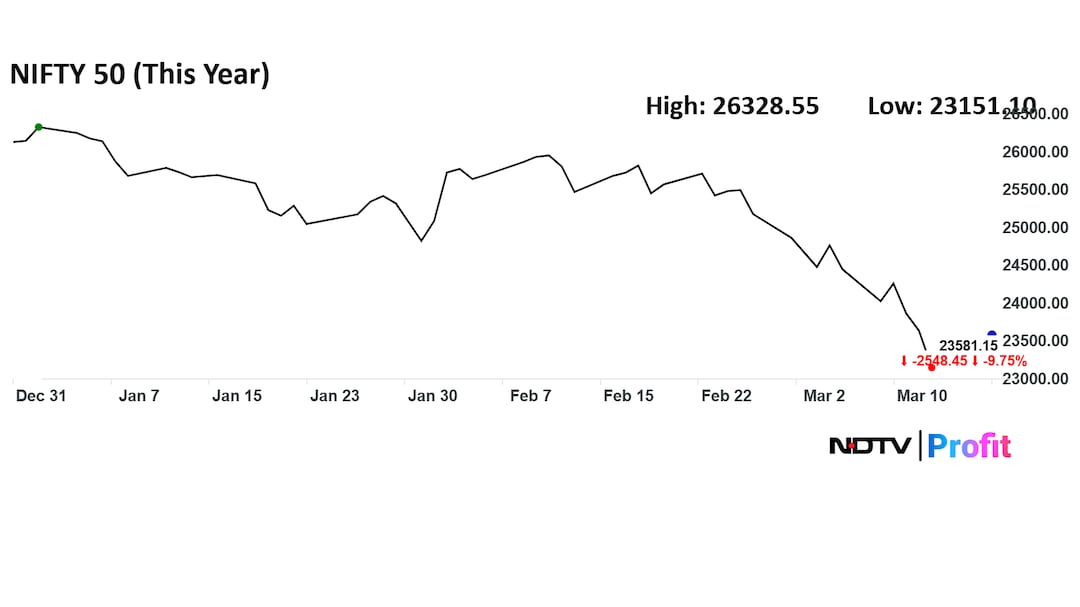
The fund manager strongly advised investors to have "meaningful allocations" to Western markets, particularly in artificial intelligence, data centres and defence, highlighting the central role of AI in modern warfare. He noted that the top tech stocks on Wall Street remained resilient amid a global equity rout since the outbreak of the Iran war.
The Middle East crisis and the oil shock will further prompt Indian policymakers to guide capital into frontier sectors of the economy. While risk capital will be limited, Mukherjea's preferred order for resource deployment would be AI, biotech, electric vehicles, and renewable energy.
Rupee At 100
Saurabh Mukherjea warned of significant pressure on the rupee, predicting it could move toward 100 against the US Dollar over the next year. This factors in higher-for-longer crude oil prices, which is a big negative for the local currency, given the 90% import dependence.
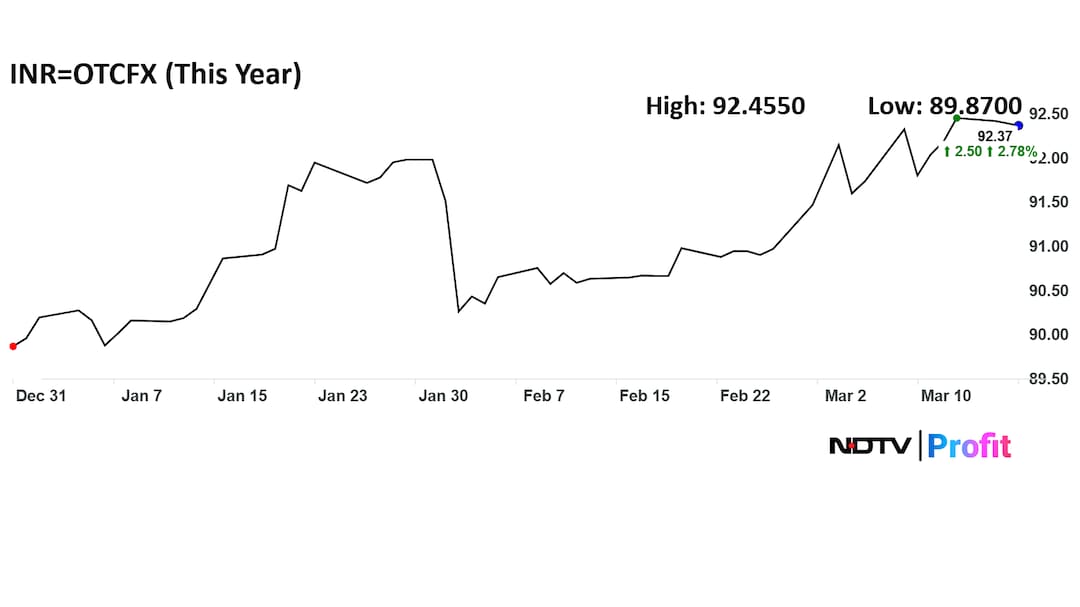
The INR has depreciated 1.5% since the start of the Gulf conflict, and is down 2.8% year-to-date.
Watch Full Interview Below:
Essential Business Intelligence, Sharp Market Insights, Practical Personal Finance Advice, Daily Fuel, Gold and Silver Prices and Latest Stories — On NDTV Profit.