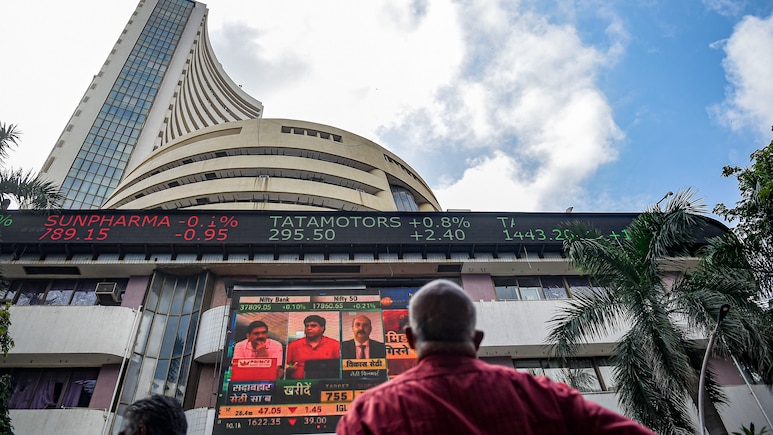
Poor returns on Dalal Street over the last one year amid high volatility have not deterred enthusiasm of retail investors who have kept pumping a larger portion of their savings into stock funds.
Domestic equity flows have strengthened to nearly $10 billion or Rs 93,000 crore per month, providing substantial market support despite muted three‑year systematic investment plans (SIP) returns on frontline indices, according to analysts at multinational brokerage Jefferies.
Mutual fund inflows remain resilient, driven largely by SIPs, with March quarter SIP inflows up 19% year‑on‑year. SIPs now account for roughly 73% of domestic MF inflows and 36% of total equity MF asset book, underscoring their structural importance. However, churn is rising, as SIP discontinuations have increased sharply, although net account additions remain positive, signalling continued investor participation, analysts said in a note.
Also Read | Layoffs Are Rising In Tech, But These Skills Are Helping People Unlock Better Pay
Jefferies estimates the structural inflows into equity to be $65 billion per year which includes inflows from SIPs, pension funds like EPFO and NPS and insurance funds. "Our analysis of India's household allocation into equities indicates 7% of total assets and 20% of financial assets," the note said.
The sustained retail interest in stocks have offset the record $19.3 billion that foreign portfolio investors have withdrawn from markets so far this year. The FPI selling has nudged small investors to bottom-fish in the Iran War driven decline.
Non-Retail Money
Non‑MF institutional flows, including ETFs largely linked to pension funds, have emerged as a powerful additional driver. These flows reached $4.8 billion per month in early 2026, nearly rivaling traditional MF flows. In contrast, direct retail equity investments have moderated meaningfully, reflecting a shift toward professionally managed vehicles.
Pension fund allocations to equities surged sharply, aided by regulatory changes, particularly within NPS schemes. While January-March pension flows were unusually high, adjusted sustainable flows are estimated at $1-1.5 billion per month, suggesting some moderation ahead, analysts said.
On the supply side, equity issuance has declined due to weaker markets, easing pressure on demand. Promoter activity has turned supportive, with stake increases, rights issues, and potential buybacks encouraged by recent SEBI reforms.
According to Jefferies, the Indian mutual fund investor base is maturing. Holding periods are lengthening, penetration beyond the top 30 cities is rising, and the share of direct investing through MFs has increased significantly. Together, these trends point to a more stable, diversified, and structurally deeper domestic equity flow environment, even amid volatility and modest index returns.
ALSO READ: Nifty Smallcap Index Erases Iran War Losses Before Nifty 50, Nifty Midcap 150
Essential Business Intelligence, Sharp Market Insights, Practical Personal Finance Advice, Daily Fuel, Gold and Silver Prices and Latest Stories — On NDTV Profit.