- Punjab & Sind Bank plans a fundraise via QIP to reduce government stake below 25%
- The bank currently has a 93.85% government stake, highest among public sector banks
- SEBI mandates a 25% minimum public shareholding for all listed companies by 2026
Public sector lender Punjab & Sind Bank is exploring raising funds through various means, including the QIP route to dilute the government's stake to meet Securities and Exchange Board of India's minimum public shareholding (MPS) norms.
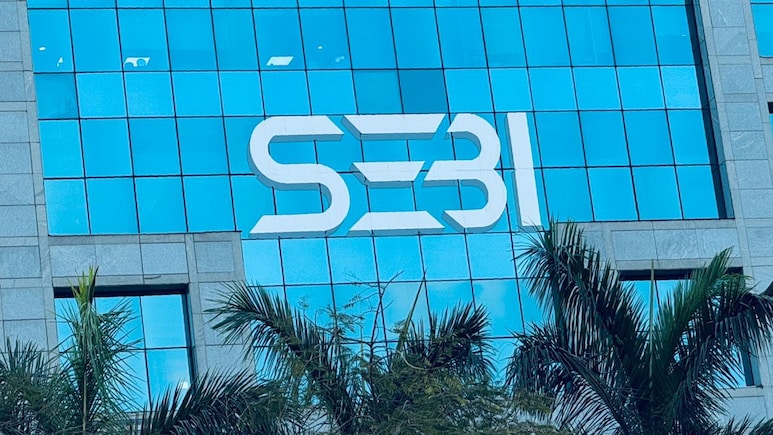
As per the SEBI, all listed companies must maintain an MPS of 25%.
"We have got board approval for fundraise through qualified institutional placement (QIP) and others means as part of effort to bring down the government holding in a phased manner," Punjab & Sind Bank MD and CEO Swarup Kumar Saha told PTI in an interview.
Also Read | Layoffs Are Rising In Tech, But These Skills Are Helping People Unlock Better Pay
ALSO READ: SEBI Mulls Settlement Overhaul; Plans Fast-Track Route For Cases Up To Rs 10 Lakh
Besides, he said, the bank has on boarded merchant bankers and legal advisors for the same.
The proposed fundraise may happen this financial year depending on market conditions, he added.
Currently, the government holds a 93.85% stake in Delhi-headquartered Punjab & Sind Bank. This is the highest stake of the Government of India in any public sector bank.
Three other banks have a minimum public shareholding of less than 25% -- Chennai-based Indian Overseas Bank where government holding is 92.44% followed by Kolkata-based UCO Bank at 90.95%, and Mumbai-based Central Bank of India at 81.19%.
Even the special dispensation deadline given by the government for meeting minimum public shareholding norms for central public sector enterprises and public sector financial institutions is ending in 2026.
It would most likely be extended by another two years as government entities would not be able to meet the MPS norms during this month.
In a bid to establish an international banking business presence, Punjab & Sind Bank is planning to operationalise an IFSC Banking Unit (IBU) at GIFT City in Gandhinagar by November this year.
The bank has received regulatory approvals from both the Reserve Bank of India and the International Financial Services Centres Authority (IFSCA) to set up an IBU, Saha said.
"The IBU is going to act as a foreign branch, and this will provide a lot of scope for expanding business in terms of mobilisation of Foreign Currency Non-Resident (Bank) and External Commercial Borrowings. This branch will help expand our balance sheet size and we also intend to bring in foreign exchange business," he said.
The public sector lender has already put the staff in place and an IT vendor has also been selected, he said, adding, "IT integration has also started. So, we intend to operationalise IBU by November."
(This story has not been edited by NDTV staff and is auto-generated from a syndicated feed.)
Essential Business Intelligence, Sharp Market Insights, Practical Personal Finance Advice, Daily Fuel, Gold and Silver Prices and Latest Stories — On NDTV Profit.