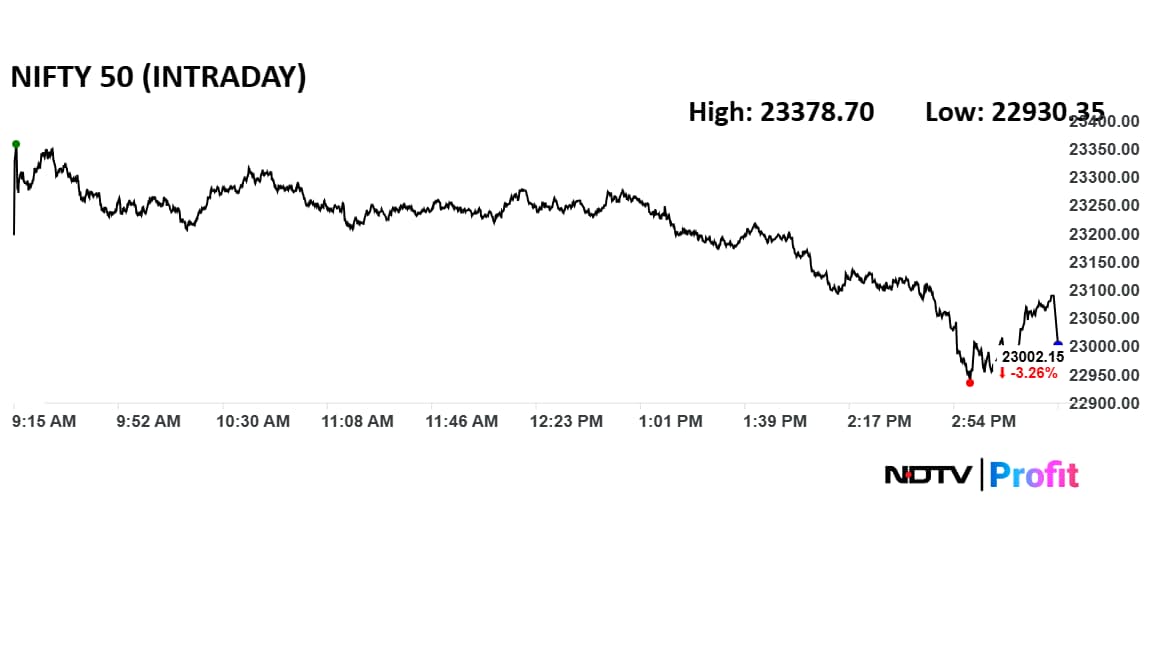
Nifty breached the 23,000 level in the biggest intraday fall it's seen since April 7, 2025. Indian markets were under heavy pressure in Thursday's session after a sudden resignation at HDFC Bank and escalating tensions in the Middle East have triggered a broad risk‑off move. At 3:30 pm, the Nifty ended more than 750 points (down 3.26%) at around 23,000 while the Sensex dropped over 2,500 points (down 3.26%) at nearly 74,207.
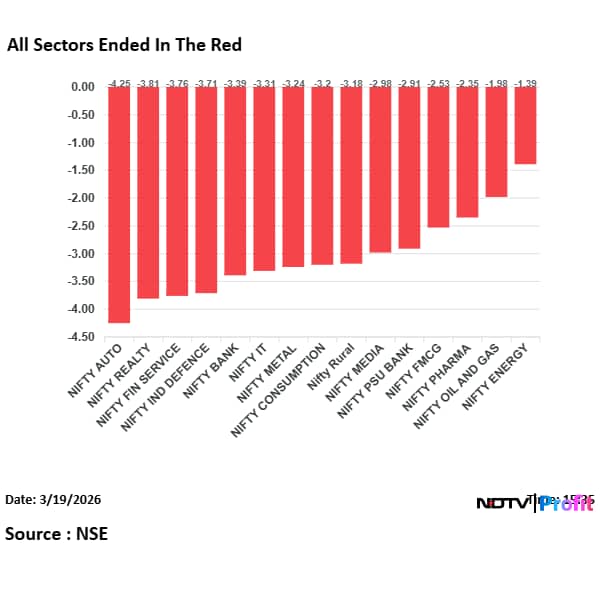
All sectors ended in the red, with Nifty Auto falling over 4%, followed by Realty Financial Services, Defence, ending over 3.5%.
The broader market faced even more pressure, with the Nifty Smallcap 250 ending 2.64%, and the Nifty Midcap 150 dropping about 3.07%.
Also Read | Layoffs Are Rising In Tech, But These Skills Are Helping People Unlock Better Pay
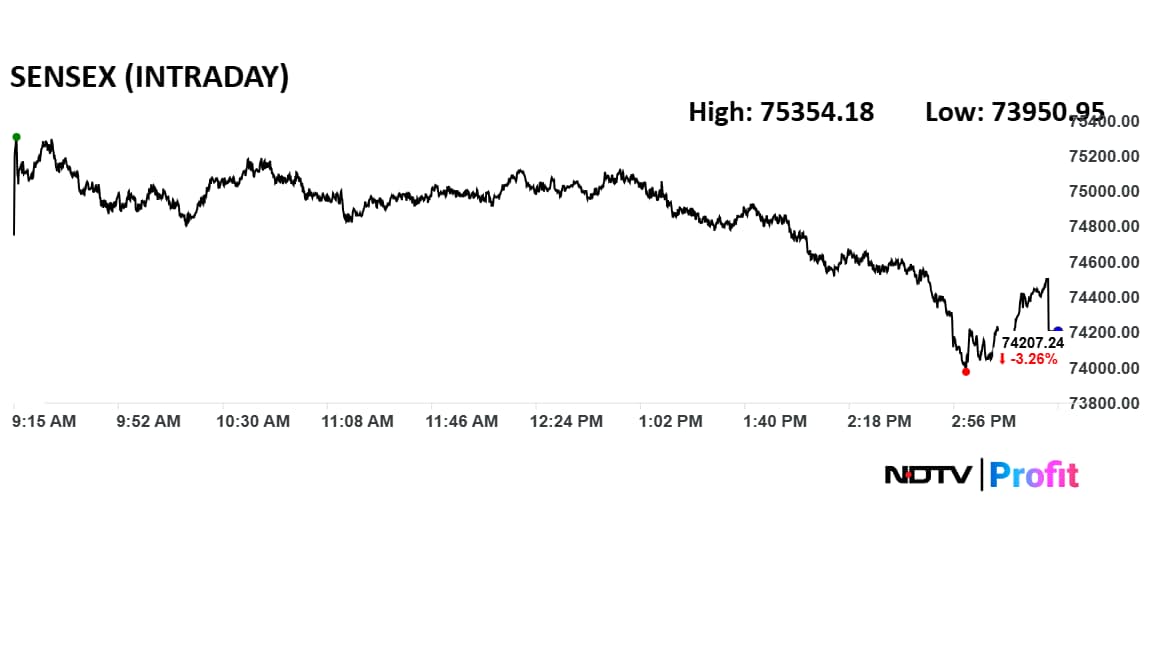
Volatility spiked sharply, with the India VIX — the market's fear gauge — surging 21.79% to 22.80.
Here are three key reasons that dragged the markets on Thursday.
Middle East Tensions
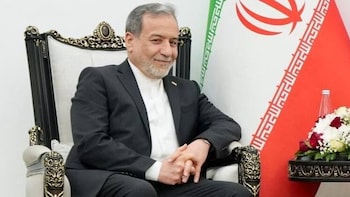
The conflict involving the US, Israel, and Iran has now stretched into its twentieth day with no visible signs of easing. Tensions escalated further after Iran targeted a major natural gas facility in Qatar, continuing its pattern of striking energy infrastructure across the Gulf and tightening control over the Strait of Hormuz — a critical route for global oil shipments.
These developments rattled global financial markets for a second consecutive day. Heightened risks to energy supply pushed oil prices higher, adding to investor fears of renewed inflationary pressures. Global equities declined, with the MSCI world index slipping and Asian markets falling sharply. Japan's Nikkei 225 dropped over 3.5%, amid growing focus on the yen's slide toward the 160-per-dollar mark.
Get the latest updates on the US, Israel-Iran war here.
Crude Surges On FOMC Outcome
The US Federal Reserve has decided to keep interest rates unchanged amid soaring oil prices and global uncertainty. The Federal Open Market Committee kept its benchmark rate unchanged at 3.50%-3.75%, which was widely anticipated by Wall Street analysts.
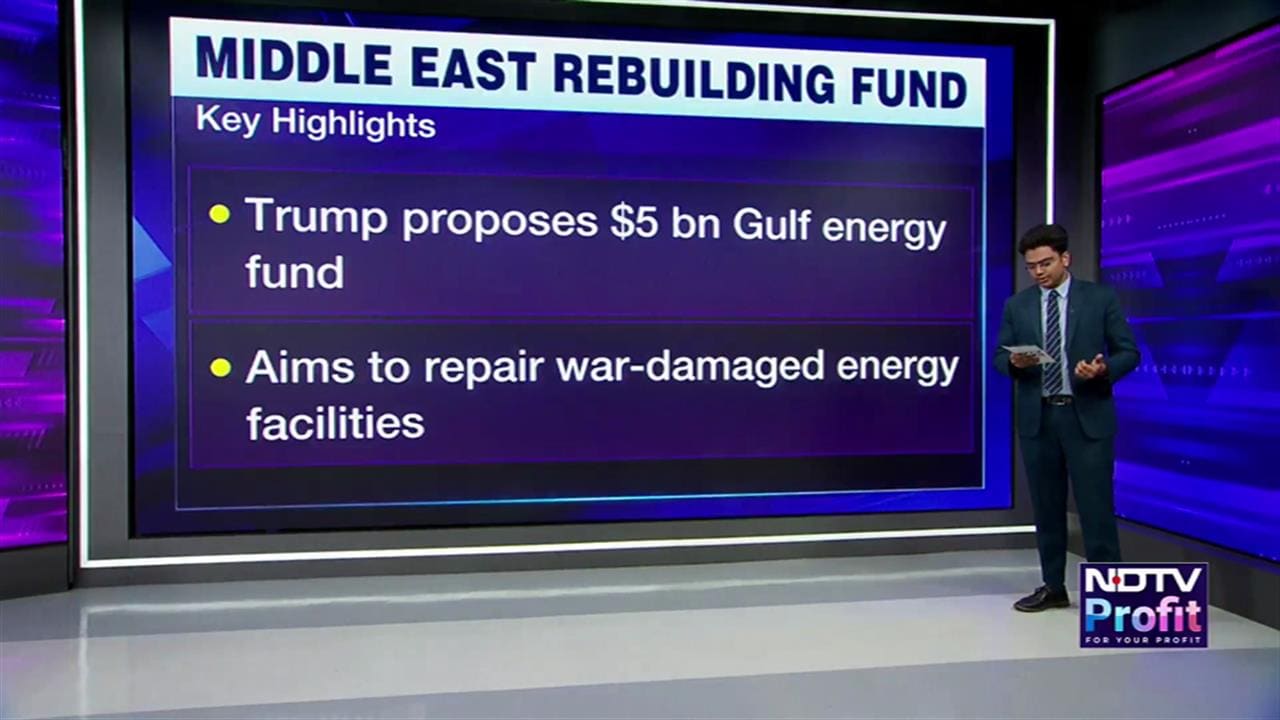
The US central bank cited uncertainty emanating from the conflict in the Middle East, which has pushed crude above $115 a barrel. Policymakers revised their 2026 inflation forecast higher to 2.7%, with Fed Chair Jerome Powell maintaining a cautious tone, though he left room for one rate cut later this year.
Brent crude remained above the $115 mark as the latest exchange of strikes between Iran and Israel hit key energy installations, including causing major damage to Qatar's largest LNG export facility. These developments have intensified worries that the conflict may have longer-lasting effects on global energy supply and pricing. Both the Federal Reserve and the Bank of Japan opted to keep interest rates unchanged this week, with policymakers acknowledging that the escalating situation in the Middle East has added fresh uncertainty to their inflation and policy outlooks.
ALSO READ: Brent Crude Jumps To $115 As Middle East Conflict Hits Critical Energy Infrastructure
Atanu Chakraborty Steps Down From Role At HDFC Bank
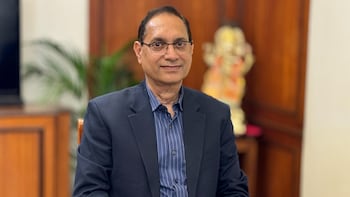
Atanu Chakraborty has spoken to NDTV Profit following his resignation, adding that he is not trying to point out any wrongdoing at the bank and that his decision to resign came solely from ideological differences between him and the entity. Chakraborty reiterated that he is not pointing out any malpractices within the organisation and that the resignation originated purely out of ideological differences.
This comes on the back of Atanu Chakraborty's resignation as part-time chairman of HDFC Bank, citing ethical concerns over practices that he said were not aligned with his personal values. Chakraborty, a former bureaucrat and seasoned financial sector professional who joined India's largest private sector bank in May 2021, expressed gratitude to the board and management for their support during his tenure. He acknowledged the cooperation extended to him while serving in the leadership role.
ALSO READ: 'Not Pointing Out Any Wrongdoing': Atanu Chakraborty Tells NDTV Profit After Resignation
Essential Business Intelligence, Sharp Market Insights, Practical Personal Finance Advice, Daily Fuel, Gold and Silver Prices and Latest Stories — On NDTV Profit.