- Oil prices surged over 4% after attacks on key Middle East energy facilities
- Brent crude neared $112 per barrel; US WTI crude hovered around $99
- Qatar’s Ras Laffan LNG terminal and Iran’s Asaluyeh gas assets were hit by missiles
Oil prices climbed sharply after fresh attacks on key energy facilities in the Middle East intensified concerns about supply disruptions from the ongoing conflict. Brent crude jumped over 4% intraday to approach $112 per barrel, while US benchmark West Texas Intermediate hovered near $99. Natural gas prices in the US also saw a spike, rising more than 5%.
The latest leg of the rally follows strikes on vital energy assets, including a major liquefied natural gas (LNG) site in Qatar. The escalation marks a shift in the conflict, with energy infrastructure now increasingly in the line of fire. Market anxiety has grown as the conflict, now nearing three weeks, begins to directly threaten oil and gas production and export hubs. Iran reportedly targeted multiple facilities after earlier strikes on its South Pars gas field — one of the world's largest.
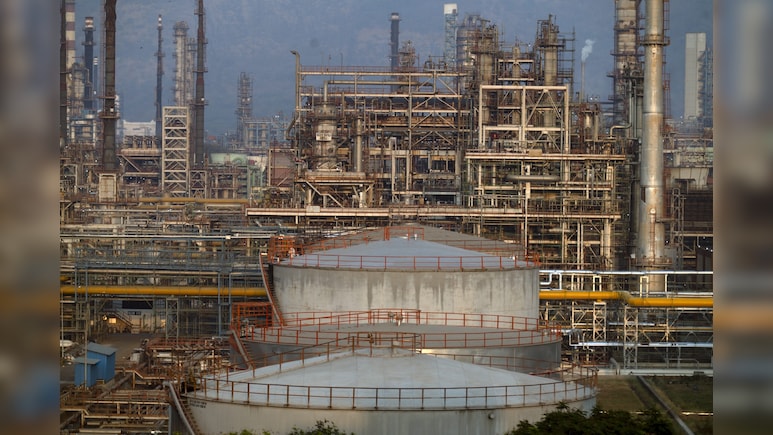
Qatar's Ras Laffan Industrial City, home to the world's biggest LNG export terminal, suffered significant damage following a missile strike, according to local authorities. In Iran, energy and petrochemical assets in Asaluyeh were also hit, raising concerns about regional supply chains.
Also Read | Layoffs Are Rising In Tech, But These Skills Are Helping People Unlock Better Pay
Elsewhere, Abu Dhabi temporarily halted operations at its Habshan gas facilities after missile interceptions led to falling debris. However, Bahrain denied reports that any of its LNG infrastructure had been struck.
Get all the latest updates on the US, Israel-Iran war here.
Oil Rally Gains Momentum Amid Supply Risks
Crude prices have surged roughly 50% since the conflict began, driven by fears of prolonged disruption. A key chokepoint — the Strait of Hormuz — has faced severe shipping constraints, compounding concerns over global supply. While Iran's upstream sector had largely escaped damage initially, the latest developments signal a broader escalation that could have longer-term implications for production and exports.
The geopolitical tensions are also reshaping market dynamics. The price gap between Brent and WTI has widened significantly, with US crude trading at a steep discount of over $12 per barrel.
In response to rising energy costs, US policymakers are weighing potential measures, including a crude export levy or even temporary restrictions. Additionally, a waiver of the longstanding Jones Act aims to ease domestic transport bottlenecks and reduce fuel costs. Senior US officials are also set to meet oil industry executives, signalling a coordinated effort to stabilise markets as volatility intensifies.
Essential Business Intelligence, Sharp Market Insights, Practical Personal Finance Advice, Daily Fuel, Gold and Silver Prices and Latest Stories — On NDTV Profit.