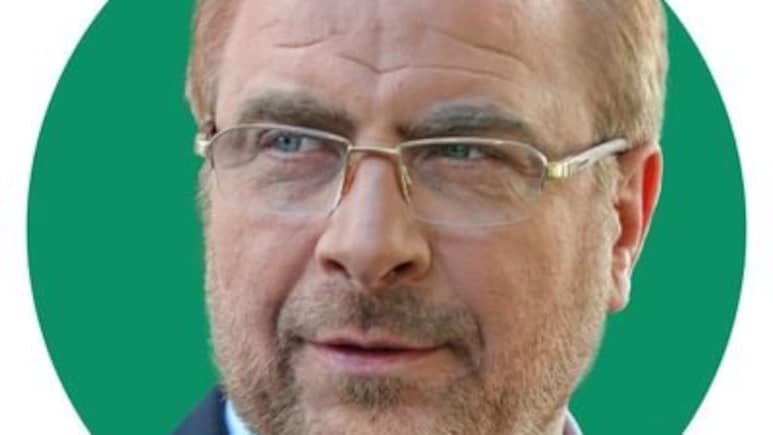
The speaker of the Iranian Parliament, Mohammad Bagher Ghalibaf, shared market advice on Monday, March 30, while taking a dig at updates coming from the US right before market hours.
Calling such measures a means for profit taking, Ghalibaf, in a post on social media platform X, warned, "Heads-up: Pre-market so-called “news” or “Truth” is often just a setup for profit-taking." He called it a "reverse indicator" while advising investors to do the opposite.
"If they pump it, short it. If they dump it, go long. See something tomorrow? You know the drill," Ghalibaf said.
Also Read | Layoffs Are Rising In Tech, But These Skills Are Helping People Unlock Better Pay
Heads-up: Pre-market so-called “news” or “Truth” is often just a setup for profit-taking. Basically, it's a reverse indicator.
— محمدباقر قالیباف | MB Ghalibaf (@mb_ghalibaf) March 29, 2026
Do the opposite: If they pump it, short it. If they dump it, go long.
See something tomorrow? You know the drill.
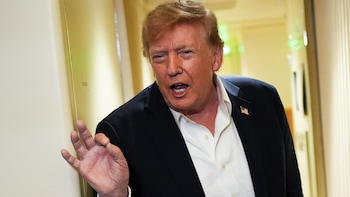
The Iranian speaker's post comes amid uncertain signs of de-escalation nearly a month after the US and Israel attacked Iran. Trump extended his deadline to attack Iranian energy infrastructure in order to reopen the Strait of Hormuz till April 6, claiming talks are “going very well” over a deal between Washington and Tehran. Earlier, he had warned Iran of intensified military action and said he's unsure whether a diplomatic agreement could be reached, adding to pressure on stocks.
The US President first extended this deadline last week, announcing a five-day pause during pre-market trading in the US markets. The announcement led to a rebound on Wall Street, giving equities a two-day relief. However, this recovery did not last long, and oil prices continued to surge.
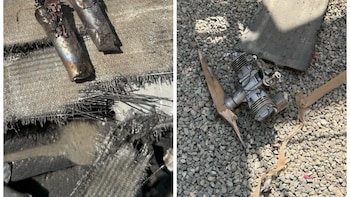
Trump recently said the US had good negotiations and Iran had granted permission for 20 oil vessels to pass through the Strait of Hormuz. He further expressed hope on finalising a deal with Iran soon. However, Israel struck Tehran on Sunday, while Saudi Arabia intercepted almost a dozen drones, a day after Yemen-based Houthi militants entered the war.
The uncertain statements have continued to strain equity markets. The S&P 500 dropped 3.4% over Thursday and Friday, marking its worst two-day decline in a year, putting the benchmark index more than 8% lower than its January record. The Nasdaq 100's two-day drop sent it into a 10% correction.
ALSO READ: S&P 500, Nasdaq Slip As Trump's Extended Deadline For Iran Offers Limited Relief
Essential Business Intelligence, Sharp Market Insights, Practical Personal Finance Advice, Daily Fuel, Gold and Silver Prices and Latest Stories — On NDTV Profit.