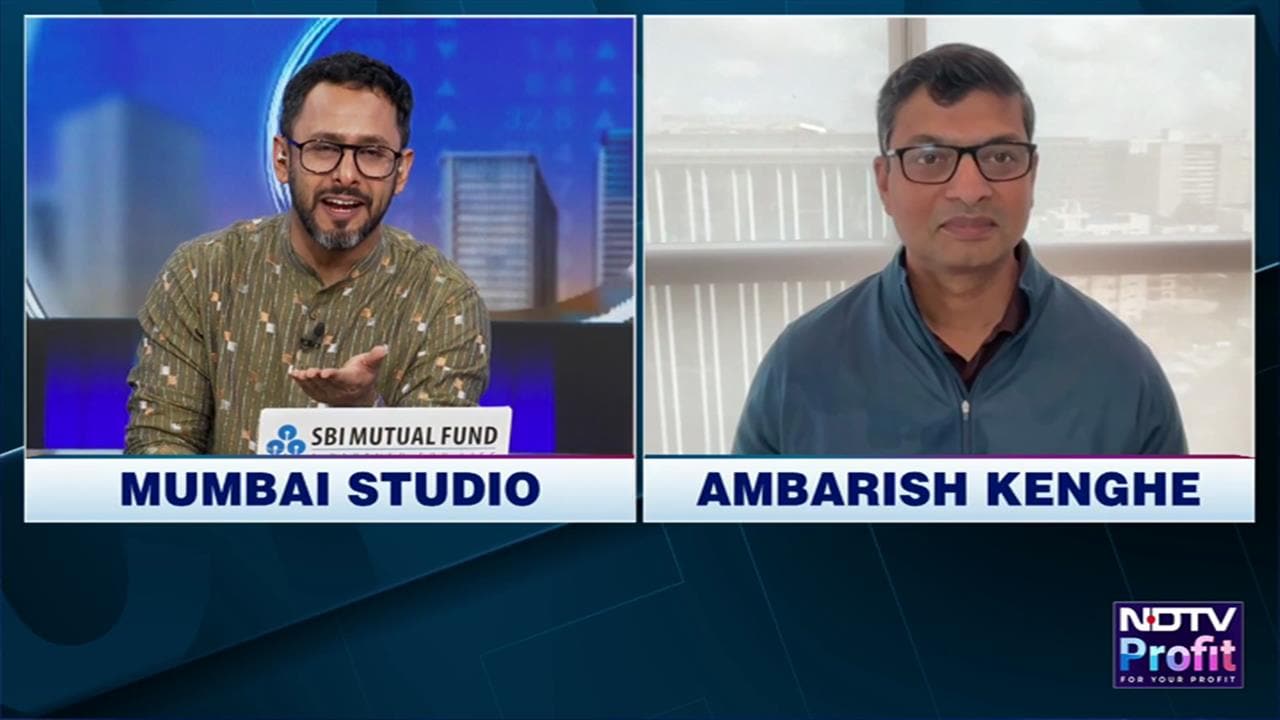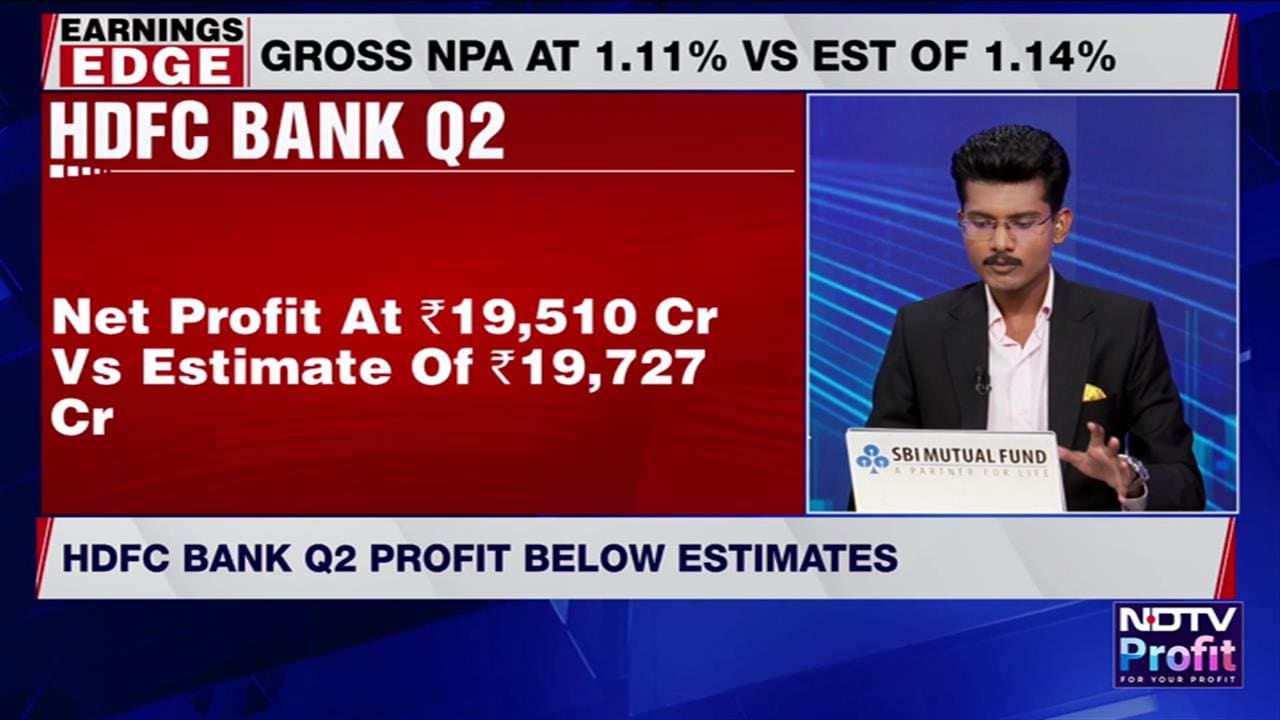
HDFC Bank Ltd.'s next chief executive should focus on rebuilding deposit momentum, improving margins and steering the bank's next phase of growth as it prepares for a leadership transition, according to Abizer Diwanji, founder of Neostrat Advisors and a former partner at EY and KPMG.
HDFC Bank Managing Director and CEO Sashidhar Jagdishan's term ends on Oct. 26. The bank's leadership transition comes after its merger with HDFC Ltd materially changed its balance sheet and increased its funding requirements.
The merger added a large, low-yield mortgage portfolio and increased HDFC Bank's liability requirements, while rising interest rates and household flows into systematic investment plans added to the funding challenge, according to the report.
Also Read | Layoffs Are Rising In Tech, But These Skills Are Helping People Unlock Better Pay
Diwanji said the central issue for the new CEO would not be whether the successor is appointed internally or externally, but whether the candidate has a credible plan to strengthen the bank's liabilities, improve margins and support growth.
"The key question is not internal vs external succession," the Jefferies report summarised Diwanji as saying, but whether the incoming chief can strengthen liabilities, improve margins and manage the bank's next phase of growth.
HDFC Bank Faces Deposit, Margin Challenge
The report said funding pressures have increased HDFC Bank's reliance on wholesale and bulk deposits, which may have contributed to recent MSRDC-related concerns.
Diwanji's assessment is that the incoming CEO will need to rebuild liability momentum, deepen wholesale funding relationships and improve access to the bond market. The bank will also need to adjust its asset mix towards higher-yielding segments to support net interest margin recovery, the report said.
The HDFC Bank transition is part of a wider change in senior leadership across Indian banks and non-banking financial companies. Kotak Mahindra Bank CEO Ashok Vaswani's term ends on Dec. 31, while ICICI Bank CEO Sandeep Bakshi's term ends on Oct. 3, 2028, according to the Jefferies report.
Private Banks Face Thinner Leadership Pipeline
Jefferies said the internal leadership pipeline at private banks is weaker than it was a decade ago, while NBFCs have become increasingly attractive destinations for senior banking talent.
ICICI Bank had historically been a major source of senior banking talent, producing several CEOs and other senior executives across the sector. HDFC Bank also developed a deep leadership bench, but talent was often spread across subsidiaries and external opportunities rather than concentrated around a clear successor, according to the report.
Long CEO tenures have also limited advancement opportunities for potential successors. The report said prolonged incumbencies created a "glass ceiling" for senior executives, prompting some to seek opportunities outside their organisations because of succession bottlenecks rather than dissatisfaction with their employers.
The movement of senior executives from banks to NBFCs is driven more by regulatory intensity than compensation, Jefferies said. Leading NBFCs have also grown in scale and complexity, making their top leadership roles comparable with those at banks.
"NBFCs now represent a destination role in their own right," the report said, rather than simply serving as a stepping stone for banking executives. Greater operational flexibility and faster decision-making have also made these roles more attractive.
Kotak May Favour Internal Succession
Kotak Mahindra Bank has traditionally favoured internal succession, reflecting its focus on institution building and its internal talent pool, according to Jefferies.
The Reserve Bank of India's preference for an external CEO in the previous cycle may have reflected governance considerations and concerns over promoter influence, the report said. Those concerns appear to have eased, increasing the possibility of an internal appointment this time.
The two shortlisted internal candidates are considered credible contenders with strong operational experience, according to the report.
ICICI Bank's Succession Challenge
ICICI Bank also faces a significant succession challenge as it prepares for the eventual replacement of Bakshi, who has played a central role in the bank's transformation and execution, according to the brokerage.
The bank's leadership model, however, has traditionally emphasised institution building rather than dependence on an individual leader. Its team-based structure and distributed decision-making could mean that it has a deep internal leadership bench, even if that talent is not highly visible, the report said.
NBFCs Gain From Banking Talent Movement
Diwanji pointed to Bajaj Finance as an example of a business that has built a strong leadership pipeline. The company's products, processes and execution are highly systemised, allowing the CEO role to focus increasingly on strategy and oversight, according to the report.
The broader shift also reflects the different operating environments of banks and NBFCs. Diwanji said private-sector banks tend to have a growth-oriented approach, while public-sector banks are more focused on risk and costs.
Executives from public-sector banks can bring strong experience in banking operations, risk, governance and compliance to private banks, particularly during turnarounds or periods of franchise stabilisation. However, an excessive focus on controls could slow growth, while differences in operating culture could create challenges, according to the report.
Strategic Capital Also Reshaping Banks And NBFCs
The leadership changes are taking place alongside a rise in strategic investments in Indian banks and NBFCs.
Diwanji said strategic capital is important not only for growth but also for resilience during periods of geopolitical, regulatory or asset-quality stress. Fresh capital can strengthen confidence, reduce perceived balance-sheet risk and create room for capability building, franchise expansion and diversification.
The report cited RBL Bank, Shriram Finance and Federal Bank as examples where capital or leadership changes supported efforts to strengthen the businesses. Emirates NBD agreed to acquire a 60% stake in RBL Bank for $2.75 billion, while MUFG invested $2.63 billion for a 20% stake in Shriram Finance, according to the report.
The Jefferies report was prepared by equity analysts Prakhar Sharma and Vinayak Agarwal following an expert call with Diwanji on leadership and shareholding transitions at Indian banks.
Essential Business Intelligence, Sharp Market Insights, Practical Personal Finance Advice, Daily Fuel, Gold and Silver Prices and Latest Stories — On NDTV Profit.