- US-Iran war tensions expected to cause global market volatility and Indian market impact
- Experts advise steady approach, cautioning against panic selling during market downturns
- Historical data shows market crashes are temporary and recovery usually follows
The outbreak of US-Iran war is bound to spook markets globally, as the tensions are expected to escalate in the aftermath of the killing of Ayatollah Ali Khamenei. As Indian markets brace for potential volatility, market experts suggest a "steady hand" approach, pointing out that panic selling often does more harm than good to long-term portfolios.
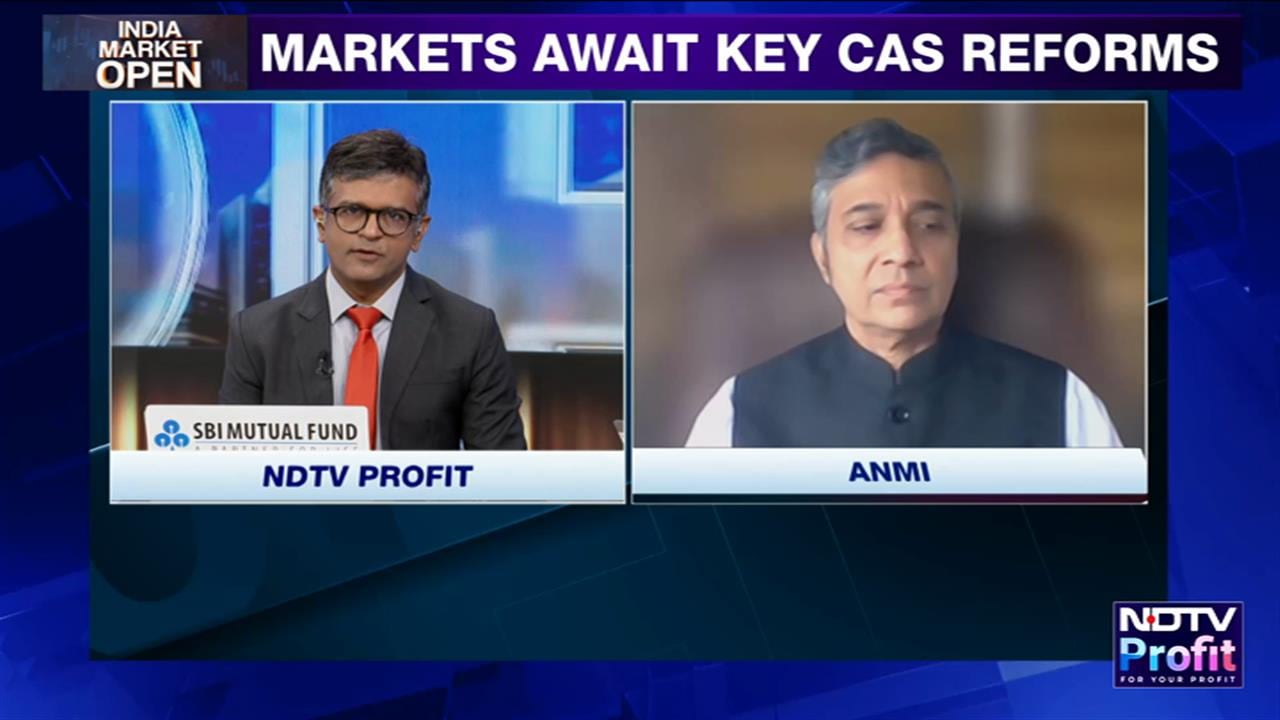
Devina Mehra, Chairperson and Managing Director of First Global, noted that crashes are temporary. Speaking to NDTV Profit, Mehra highlighted that historical data from the last 20 to 30 years consistently shows that market downturns, while sharp, are rarely prolonged.
"The data shows crashes don't last long, and the market eventually recovers," Mehra noted, urging participants to remain invested rather than attempting to time a bottom that may be fleeting.
Market expert Ajay Bagga also offered a tactical perspective for the immediate opening. While he doesn't recommend catching a falling knife, he is equally firm that investors should avoid reactionary selling.
His advice for the Monday session is simple: Don't buy, but don't sell either. Bagga suggests that while the initial opening might be shaky, selling into a dip without a clear trend can lead to significant "slippage" and missed recoveries.
Track live updates of US-Iran war here
A gap-down opening is expected for the benchmark Indian equity indices on Monday. This would come after the last-hour plunge during the trading session on Friday, when the Nifty 50 slipped below 25,200 and the Sensex shed over 600 points.
The rupee is also expected to weaken, similar to most currencies of the world that would lose their strength against the US dollar, according to Dharmesh Bhatia of Emirates Investment Bank.
Notably, tensions flared in the Middle East on Saturday, after the US and Israel launched a joint military offensive, targeting various parts of Iran. The strikes led to the killing of Iran's Defence Minister Aziz Nasirzadeh and Army Chief Abdul Rahim Mousavi, apart from Supreme Leader Ayatollah Ali Khamenei.
ALSO READ: UAE Faces War Heat: Dubai Airport, Jebel Ali Port, Palm Jumeirah Among Locations Hit
Essential Business Intelligence, Sharp Market Insights, Practical Personal Finance Advice, Daily Fuel, Gold and Silver Prices and Latest Stories — On NDTV Profit.