Copper's Recent Rally Is No Prelude to Roar as Glut Persists
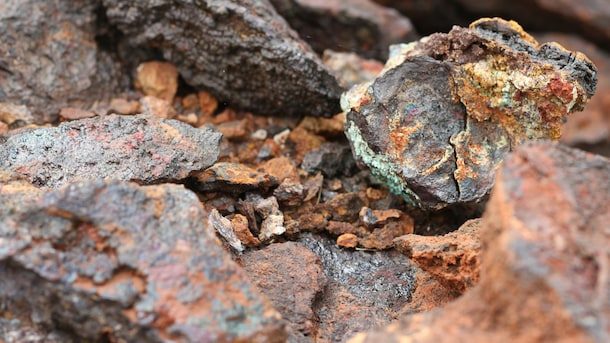
(Bloomberg Gadfly) -- Suddenly copper, the dullest of the main industrial metals this year with a paltry 4.6 percent gain, is looking a bit shinier.
The metal has jumped 6.1 percent since the start of last week in seven consecutive days of rising prices, its longest rally in 18 months.
That rally seems to be underpinned by real movements of metal. Canceled warrants -- a measure of stocks in the London Metal Exchange's warehouses that have been reserved for delivery by buyers -- hit almost 135,000 metric tons Tuesday, their highest level since March 2014. Nearly 42 percent of the copper cathode stacked in the LME's depots is marked for shipment, up from less than 13 percent at the start of September.
Forward-looking indicators also justify the bullish view. Caixin's manufacturing purchasing managers' index, a closely watched gauge of Chinese industrial activity, rose to 51.2 Tuesday -- its strongest level since July 2014.
There's just one problem. If everything is looking brighter in the global copper industry, someone forgot to tell the people who produce it.
Copper premiums -- the margin over the spot price that buyers are prepared to pay to secure a long-term supply -- have been weakening for two years, although levels in Shanghai have ticked up modestly in the current quarter.
Codelco, the world's biggest copper producer, has cut its premiums for European sales to their lowest level since 2010, Agnieszka de Sousa and Javier Blas of Bloomberg News reported last week. It's having to offer better terms to Chinese buyers, too, with shorter-term contracts that hew closer to spot prices, Bloomberg's Alfred Cang reported Monday.
Indeed, the people who are paying more are not copper consumers but producers like Codelco. In China, treatment and refining charges have climbed almost 17 percent this year to about 27 cents a pound. These charges, which are paid by miners, tend to rise when there's an oversupply of the concentrates that smelters turn into refined cathode. It's a similar picture in Europe, where Aurubis, the Continent's biggest smelter, expects treatment charges to be about $7.50 to $12.50 a metric ton higher in 2017 than they've been this year.
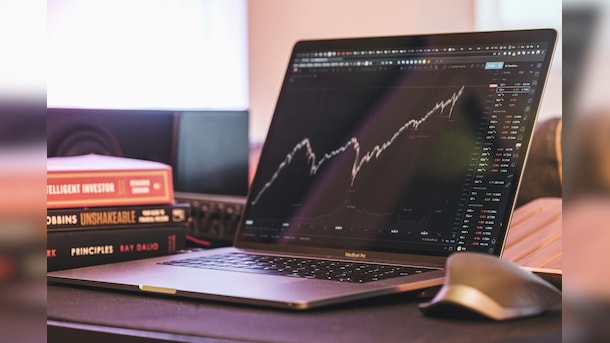
Futures pricing is sending the same weak demand signal, with forward curves switching from backwardation to contango over the past six months -- often an indicator that buyers' desire to obtain metal now rather than later is flagging.
If demand is looking so weak, why is the amount of available copper in LME warehouses declining so fast? One explanation could be that it's not moving to consumers but to less closely scrutinized warehouses, such as the bonded stores that are used by some Chinese traders to make money from the spread between U.S. and local interest rates.
Signs of stronger activity in the Chinese economy can affect copper in two different, contradictory, ways. On the one hand, faster growth could mean that fundamental demand picks up, leading to more metal being consumed in physical products. On the other, the central bank might raise interest rates to take the edge off any incipient asset price bubbles, causing copper to instead be locked away as collateral for the bonded-warehouse carry trade.
Until the pile of metal warehoused in recent years starts to decline more drastically, it will be too soon to declare the end of the copper glut.
This column does not necessarily reflect the opinion of Bloomberg LP and its owners.
To contact the author of this story: David Fickling in Sydney at dfickling@bloomberg.net.
To contact the editor responsible for this story: Daniel Niemi at dniemi1@bloomberg.net.

-
Navigating Friction And Energy Realities: An Analysis Of Marco Rubio's October Visit To India

Occurring at a critical juncture marked by stalled trade negotiations and escalating geopolitical pressures over global energy supplies, the visit offers a profound window into modern US-India relations.
-
India Exports Capital. Why Not Export Trusteeship?
The big question, then, is whether India can build an institution that global borrowers, investors, banks, and lawyers can trust, even without an Indian connection.
-
France's Economy & Politics Are In Crisis | The Reason Why
Let's look at how the French economy and politics evolved under Nicolas Sarkozy, Franois Hollande and Emmanuel Macron.
-
You May Inherit The Business. You Must Earn Its Credibility.
Succession tests the founder's ability to share authority as much as it tests the next generation's readiness to assume it.
-
Signing Deals Is One Thing; Making Them Work Is Another | The Week In Whys
Sometimes, things don't turn out as planned. Indian companies have lost some bids to rivals, some projects won't produce until 2030.
-
FOMC Wall, PERM Suspension, Hospital Stocks | Talking Points This Week
A PERM suspension would directly affect green-card sponsorship rather than H-1B visas, so the near-term earnings impact could remain relatively limited. The key question is whether this marks a new phase in US scrutiny of Indian IT.
-
Everything, Everywhere, All At Once: Dalal Street's Week To Forget | Joining The Dots
Visa curbs, a Starlink spat and cancer drug caps: what connects this week's shocks for Indian markets
-
India Is Going Abroad For Critical Minerals. But It May Take Years To Pay Off | The Reason Why
Although India's steps are in the right direction, they remain modest compared with India's growing dependence.
-
When Everyone Has AI, What Gives You An Edge?
India's young workforce is entering an uncertain world of work where powerful AI tools are becoming widely accessible. The advantage will belong to those who combine deep expertise with digital fluency, and the distinctly human capabilities that technology cannot manufacture.
-
Wrong Labels, High Pesticide Residues Holding Back Agri Exports | The Reason Why
India needs stronger domestic food-safety and labelling standards, with best practices becoming part of everyday business for farmers, traders and food companies.