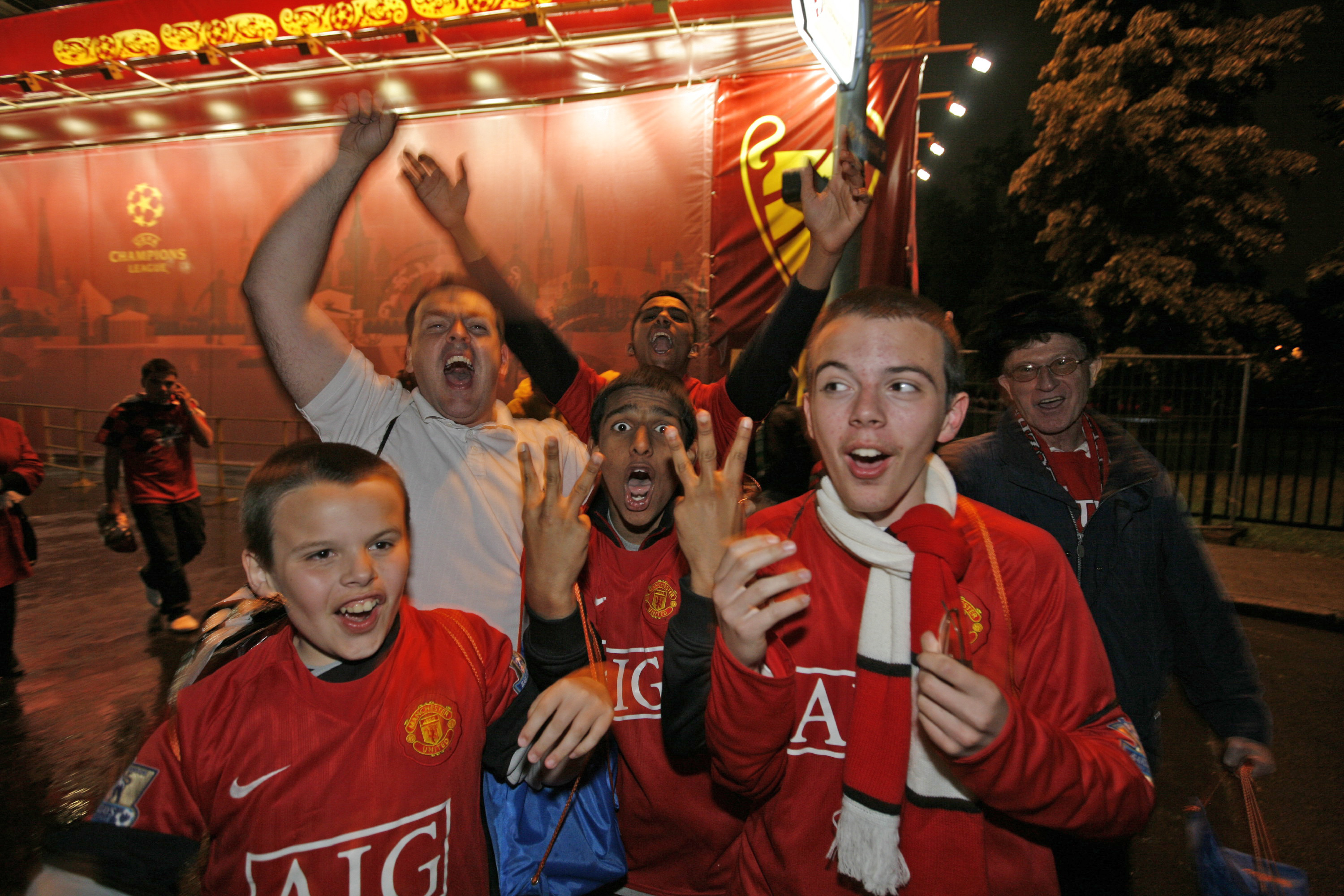
On the world stage, there is undoubtedly no sport that is as loved as football. In Europe and South America, especially, the passion for the sport is unrivalled. In India, however, football is perhaps destined to languish in the background as cricket remains firmly planted, front and centre.
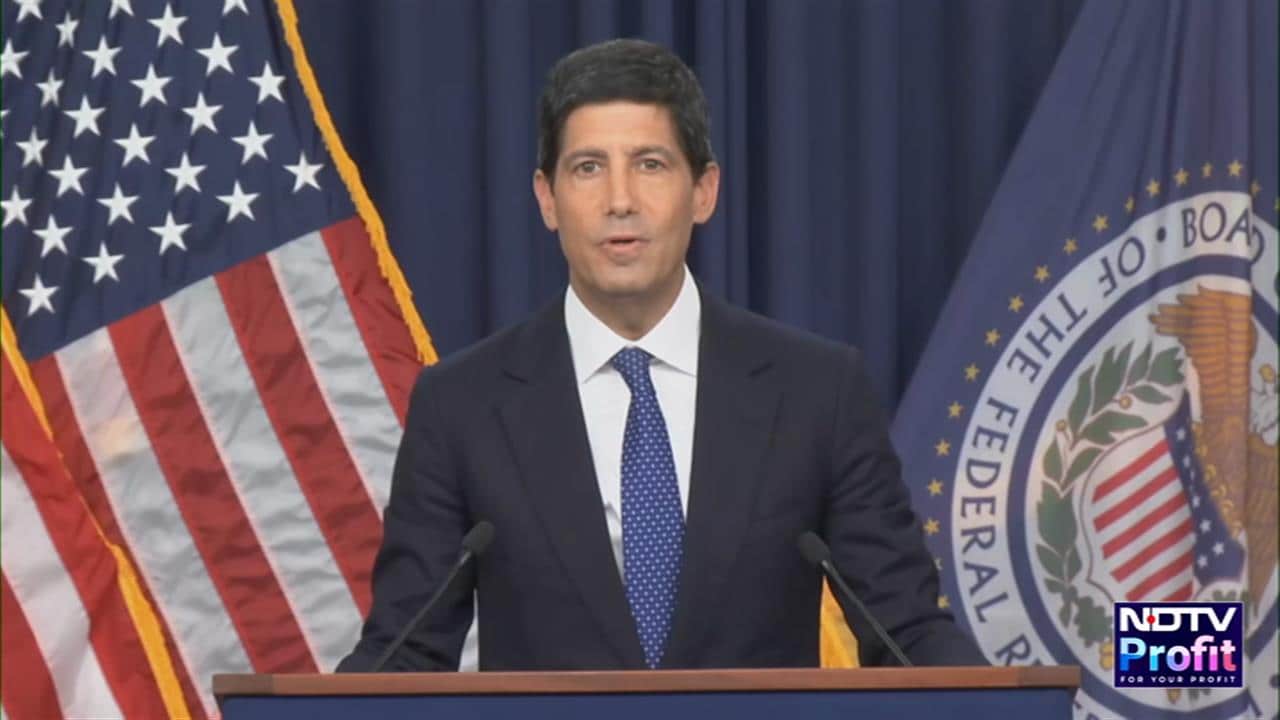
Football may never come to rival cricket when it comes to fan following in India, but could an attempt be made to grow the sport? Richard Scudamore, the executive chairman of the Premier League says that to create a conducive football ecosystem, India will need all stakeholders – the government, the private sector and existing league clubs – to play a part.
Also Read | Layoffs Are Rising In Tech, But These Skills Are Helping People Unlock Better Pay
The grassroots system of developing football in England, according to Scudamore, is what makes it such a big success.
“There's 40,000 clubs in England for a population of only 50 million people,” he said. “That would mean there would be a million clubs in India if you scale that through. And so at some point, the whole football ecosystem has to develop, where in England, you can literally start a pub team behind your dog and duck park in your local village. And theoretically, if you get the right players, and you progress, you can work your way up through the leagues all the way up to the top of the pyramid.”
An attempt is being made in India, in the form of the Indian Super League, to tap the latent local support for football. Backed by private sector investors, the clubs have so far managed to attract talent from abroad, but these footballers have almost universally been either close to retirement, or have made comebacks from retirement. The facilities, too, are nowhere near those developed by the the elite clubs in Europe.
So where does one start in India? Is the task insurmountable?
“Well start anywhere, start everywhere,” said Scudamore. “Obviously, the government has a role to play, private sector clearly has a part to play. Just a government commitment to sport being important is essential. And then you use the professional sector, so the ISL clubs and the I-League clubs, and then the club system that you've got, and infrastructure you've got, and then you use organisations like us. I'm not suggesting anybody is sitting there with the entire plan. But you have to pull in every direction where you can.”
India's neighbour, China, on the other hand, is making a much larger splash on the global footballing stage. Much to the consternation of the elite clubs in Europe, and of fans around the world, clubs from the Chinese Super League have been able to poach top footballers at their prime. The price tags have been astronomical, and the salaries even more so.
The Chinese league reportedly spent over 330 million pounds sterling on player transfers in 2017, compared with the Premier League's sizeable, yet significantly lesser bill of just over 220 million pounds sterling.
Scudamore, however, feels the big spending Chinese clubs are not cause for concern, and there is unlikely to be a mass exodus from the Premier League to the orient.
“We, the Premier League, are economically strong. Our clubs can acquire any player they really want to, if they wanted to. So, I don't think the issue is of any threat. I think it's exciting for China,” he said.
The Premier League boss said one could not judge the situation on the amount that was spent in the January transfer window.
If you see somebody driving a very nice car down the road, you don't know whether they're very wealthy, or if they've decided to spend every single penny they've got on that very nice car. I just don't think you can judge, and therefore I don't have an intimate knowledge of all the economics of Chinese football, and what the investors attitudes are as to know whether it will be sustainable.Richard Scudamore, Executive Chairman, Premier League
Essential Business Intelligence, Sharp Market Insights, Practical Personal Finance Advice, Daily Fuel, Gold and Silver Prices and Latest Stories — On NDTV Profit.