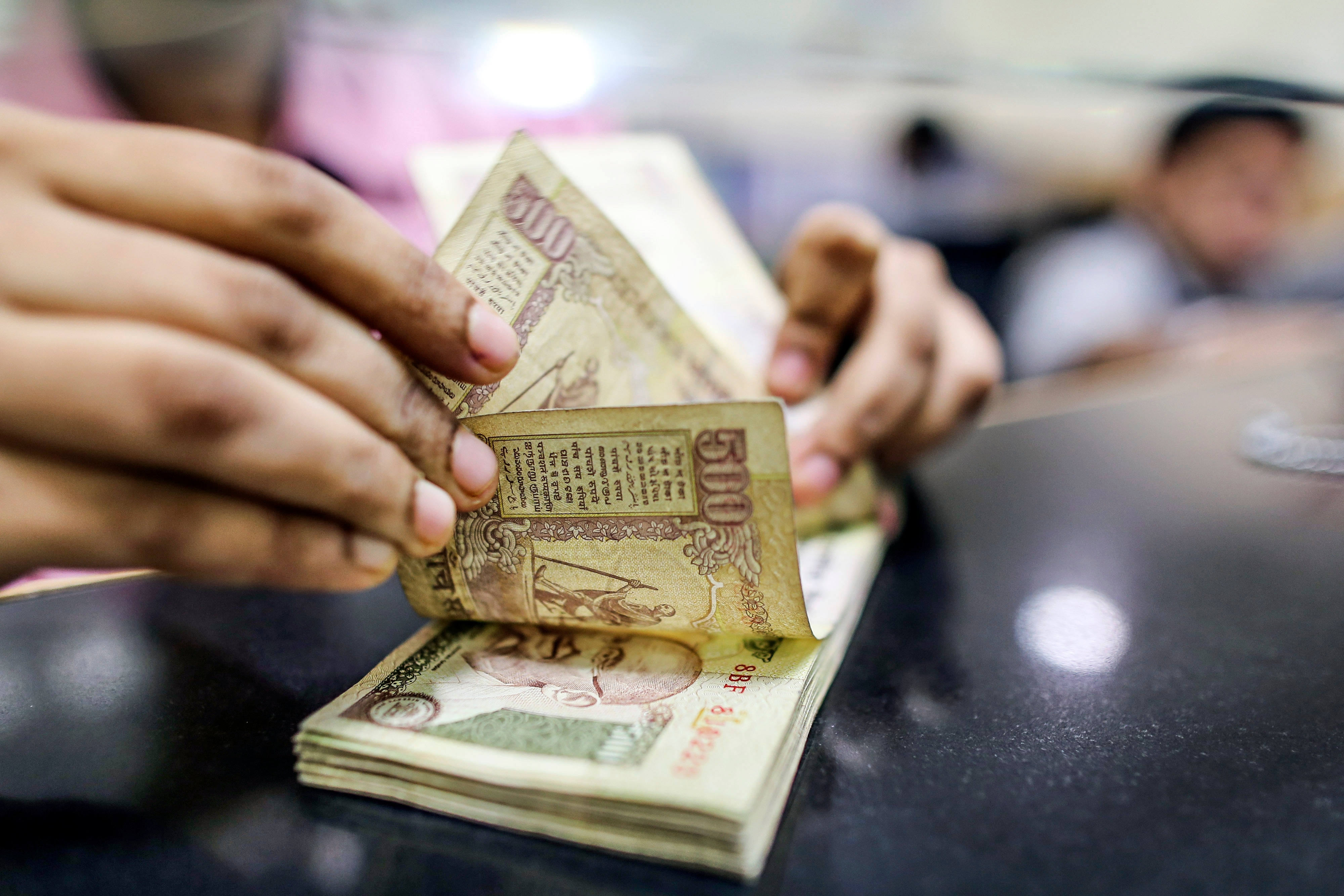
The Supreme Court on Monday issued notices to the central government and the Reserve Bank of India (RBI) on a plea seeking response on why people are not being allowed to deposit old high-value currency notes banned during the demonetisation drive till March 31, 2017, as it was promised earlier.
There are four petitioners in total who had filed for this plea, saying that they had genuine reasons for not depositing the old currency notes by December 31, 2016.
“Because of the sudden withdrawal of the opportunity from Indian citizens for depositing old notes with RBI during grace period is suffered with unreasonableness and arbitrariness. The respondents have failed to appreciate genuine circumstances including health/death issues preventing any Indian citizen to deposit old notes before December 30, 2016,” the petition said.
Also Read | Layoffs Are Rising In Tech, But These Skills Are Helping People Unlock Better Pay
A bench headed by Chief Justice of India Justice JS Khehar, Justice DY Chandrachud, and Justice Sanjay Kishan Kaul issued the notice. The apex court will hear the petitions on Friday.
After scrapping the circulation of old Rs 500 and Rs 1,000 notes on November 8 last year, there have been many sudden changes in rules regarding the exchange, withdrawal and deposit of the defunct notes.
The petitioners also said Prime Minister Narendra Modi in his speech while announcing the move had said that time will be given for those who fail to deposit the money before December 30, 2016. Additionally, the notification issued on November 8 said that a later date will be provided for deposits after December 30.
Later, the RBI announced that one would be only allowed to deposit old notes till March 31, 2017. However, later this extended deadline to deposit the banned notes was made available to only those Indian citizens who were abroad between November 8 and December 30.
Also Read: Demonetisation Process Is Almost Complete: Arun Jaitley At LSE
Essential Business Intelligence, Sharp Market Insights, Practical Personal Finance Advice, Daily Fuel, Gold and Silver Prices and Latest Stories — On NDTV Profit.