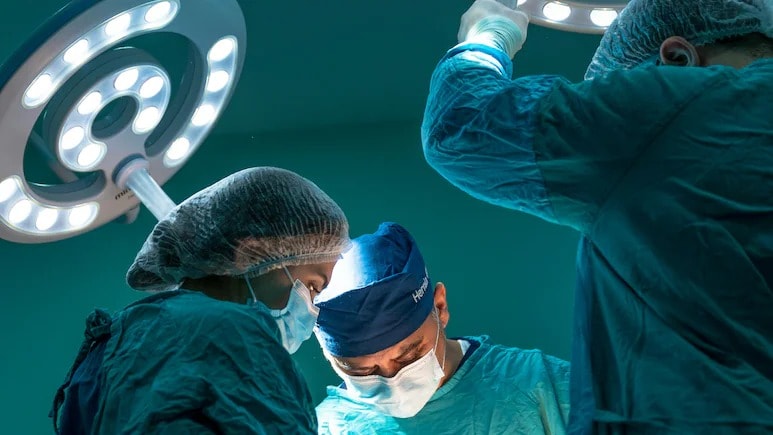
India's medical education landscape is facing an unusual situation. Despite around 24 lakh students appearing for the National Eligibility cum Entrance Test (NEET) for roughly 1.4 lakh MBBS seats, 3,426 medical seats remain vacant.
Dr Sumer Sethi, founder of DAMS, radiologist, author and TEDx speaker, highlighted the issue in a post on X.
Private medical colleges are now offering discounts of up to 40% to attract students.
Also Read | Layoffs Are Rising In Tech, But These Skills Are Helping People Unlock Better Pay
The numbers raise an important question: Has becoming a doctor lost its appeal among the younger generation, or has the cost of pursuing the profession simply become too high?

-
 Indian Markets Turning Corner After Two Tough Years, Says Sandeep Tandon
-
 NDTV Profit Ignite 2026: Experts See Opportunity In Equities, Stay Bullish For Long-Term
-
 Buy Right, Sit Tight Does Not Work for Individual Stocks, Says Dinshaw Irani
-
 'Worst Is Behind': Quant MF Sees Market Bottom, Flags 'Extreme Euphoria' In Midcaps
-
 India's Mutual Fund Industry Could Become A $1 Trillion Opportunity, Say Fund Managers
-
 'Foreign Investors Are Baraatis': Raamdeo Agrawal's Take On LTCG Tax
-
 Stay Invested Through Market Cycles: Raamdeo Agrawal at NDTV Profit Ignite
-
 Ramesh Damani Remains Bullish On India For Next 20-30 Years, Sees Bargains Amid Market Weakness
-
 CAS Came After A Long Consultation Process: SEBI Chairman Tuhin Kanta Pandey AT NDTV PROFIT IGNITE
-
 Aim To Cut FPI Onboarding Time From Mth To Five Days: SEBI Chairman Tuhin Kanta Pandey AT NDTV PROFI
3,426 MBBS seats are still empty, and private colleges are now offering 40% off. This in a country where about 24 lakh students write NEET for roughly 1.4 lakh seats. So has the new generation stopped seeing the ROI in becoming a doctor? I don't think the dream has died. Every government seat is filled, so the demand is clearly there. What has stopped working is the math. A private MBBS seat now costs around ₹1.25 crore all in. Every aspirant also knows that MBBS isn't the end. You need a PG, which means another entrance exam, a few more years and often another big cheque. You start earning properly close to 30, on a loan that started growing when you were 18. Today's students and parents work this out openly at the dining table. A generation ago the white coat was reason enough to sign up. 75% of new MBBS seats in the last three years went to private colleges. We added seats, but we didn't make them any easier to afford. Lowering NEET cut offs won't fix this. Students are qualifying. They just can't pay. Medicine is still one of the most meaningful careers there is. But you can't sell a ₹1 crore degree on passion alone. Fee regulation, more government seats and a clearer path from MBBS to a real income are what will fill these empty chairs. So which is it, an ROI problem or an affordability problem? I'd like to hear your view. #NEET #MBBS #NEETPG #MedicalEducation #DoctorsOfIndia
— Dr Sumer Sethi (@sumersethi) November 4, 2026
The dream of becoming a doctor has not necessarily faded. The fact that every government medical seat is filled indicates that demand for medical education remains strong. What appears to be changing is the financial calculation behind the decision.
The Rs 1.25 Crore Question
A private MBBS seat can now cost around Rs 1.25 crore, including all expenses. For students and parents, however, the financial commitment does not end with an undergraduate medical degree.
An MBBS degree is often only the beginning of a longer academic journey. Students who wish to pursue postgraduate medical education must prepare for another entrance examination, spend additional years studying and, in many cases, make another significant financial investment.
This means students could spend a large part of their young adulthood funding their education, with the prospect of earning a stable income only near the age of 30. Those taking out education loans can start feeling the financial burden as early as age 18.
Today's students and parents are more apt to consider financial implications of a medical education before making the decision than previous generations. Wearing a white coat may still be prestigious, but it's no longer the only thing to consider.
More Seats, But Are They Affordable?
The expansion of medical education has not necessarily meant more affordability.
Around 75% of the new MBBS seats added in the last three years were in private medical colleges. This has increased the total number of seats available, but has not made medical education accessible to a larger section of aspirants financially.
The increasing number of vacant seats also raises a question on whether lowering NEET cut-offs would address the problem.
Students are qualifying to go to medical school. But being eligible for a seat and being able to afford a seat are two different things.
By Offering discounts may help colleges attract students in the short term, but it does not necessarily address the larger issue of the affordability of medical education.
Is The Return On Investment Still Worth It?
Medicine continues to be one of the most meaningful and respected career choices. However, pursuing it increasingly involves a long-term financial commitment that students and families cannot ignore.
A degree costing around Rs 1 crore or more cannot be sold on passion and prestige alone. Aspirants also need to understand what the financial journey looks like after MBBS, how much further education may cost and when they can realistically expect to start earning.
Addressing the situation will require more than changes to examination cut-offs. Better regulation of medical college fees, an increase in government medical seats and a clearer pathway from MBBS education to a sustainable income could help make the profession more accessible.
ALSO READ: He Ran Marathon, Received Medal, Then Died Of Heart Attack: Software Engineer's Tragic End
So, the question is not whether the youth of India still wants to be a doctor. The question is if the financial price of realizing that dream has become too high.
Are empty MBBS seats a sign of waning interest in medicine or is affordability the bigger worry? The difference is important, because the solution to both problems is very different.
Essential Business Intelligence, Sharp Market Insights, Practical Personal Finance Advice, Daily Fuel, Gold and Silver Prices and Latest Stories — On NDTV Profit.