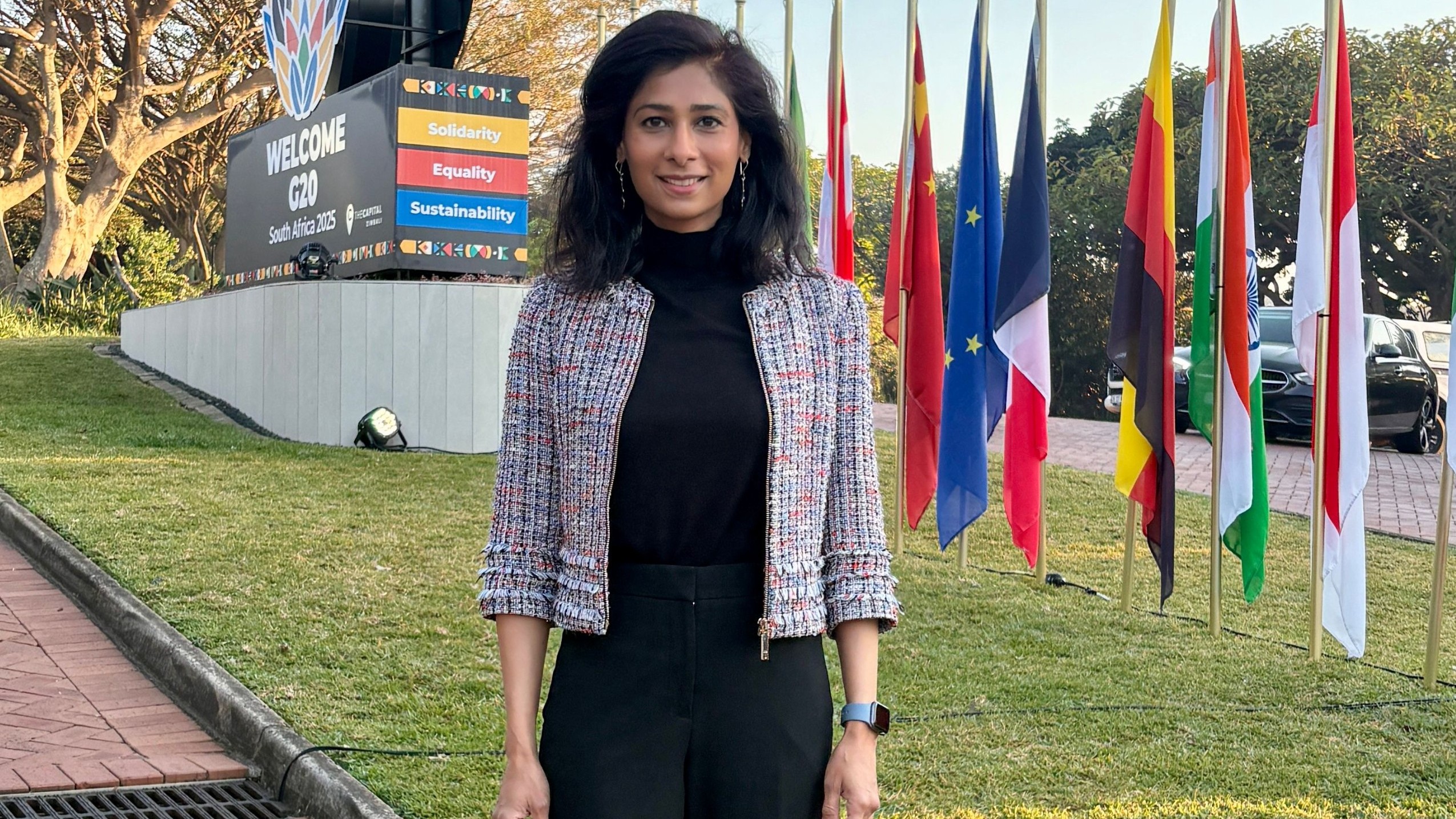
- Gita Gopinath highlighted logistical challenges in implementing One Nation, One Election model
- She supported the economic rationale behind simultaneous elections despite difficulties
- Sanjeev Sanyal discussed the economic benefits of synchronizing elections before the panel
Harvard economist Gita Gopinath on Wednesday flagged significant logistical challenges in implementing the proposed “One Nation, One Election” model, even as she supported its economic rationale.
Appearing before a parliamentary panel examining Bills on simultaneous elections, Gopinath cited Indonesia's experience as a cautionary example, noting that the Southeast Asian nation faced major hurdles in conducting unified polls across its 17,000 islands.
The committee also heard Sanjeev Sanyal, member of the Prime Minister's Economic Advisory Council, who presented his views on the economic benefits of synchronizing elections.
Also Read | Layoffs Are Rising In Tech, But These Skills Are Helping People Unlock Better Pay
Committee chairman PP Chaudhary said both economists offered valuable insights, with members seeking clarifications on cost savings and feasibility.
"The members sought clarifications which both the renowned economists replied with clarity," he said.
According to Chaudhary, simultaneous elections could save Rs 5–7 lakh crore and boost GDP by 1.6%, while reducing disruptions to education and welfare schemes.
Holding of separate elections for Parliament, assemblies and local bodies always disrupts student's education and delays the implementation of welfare schemes, he said.
Sources said Gopinath acknowledged the potential economic gains but stressed that no country has successfully implemented such a large-scale exercise without logistical stress.
(With PTI inputs.)
BMC Elections 2026 Dates: Mumbai Civic Polls To Be Held On Jan 15; Results Next DayEssential Business Intelligence, Sharp Market Insights, Practical Personal Finance Advice, Daily Fuel, Gold and Silver Prices and Latest Stories — On NDTV Profit.