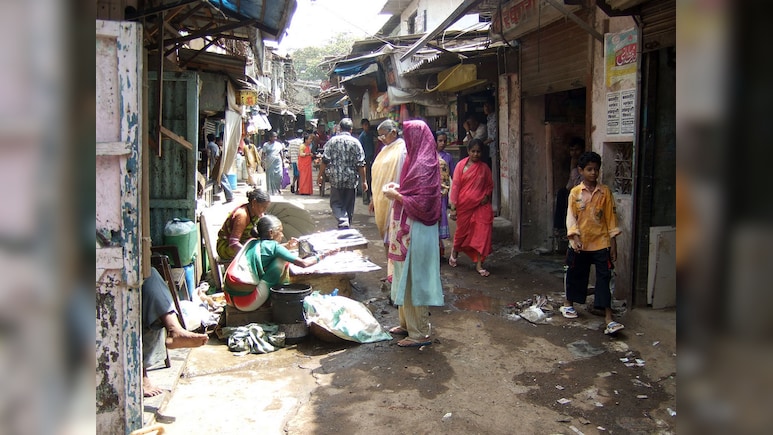
Maharashtra Deputy Chief Minister Eknath Shinde on Thursday laid out the state government's most detailed public roadmap yet for eliminating slums across Mumbai, with targets, timelines and the agencies tasked with delivering what would be one of the largest urban transformation projects in Indian history.
What Is The Government Proposing?
Speaking at the Maharashtra Infrastructure Conclave in Mumbai, Shinde said the government is targeting nearly 15 lakh rehabilitation homes by 2030, to be delivered through largescale cluster redevelopment, integrated infrastructure planning and mass housing creation.
The government has already formed 19 cluster redevelopment zones across the Mumbai Metropolitan Region, aimed at transforming congested settlements into planned urban neighbourhoods with wide roads, gardens, schools and modern civic amenities.
Also Read | Layoffs Are Rising In Tech, But These Skills Are Helping People Unlock Better Pay
"This is not just the redevelopment of buildings. It is a redevelopment of lives and of entire neighbourhood ecosystems," Shinde said.
Who Is Driving It?
The push involves a multi-agency approach. The Mumbai Metropolitan Region Development Authority, Maharashtra Industrial Development Corporation, City and Industrial Development Corporation, Slum Rehabilitation Authority and Maharashtra Housing and Area Development Authority are all working in coordination.
ALSO READ: 18-Year-Old Karnataka NEET Aspirant Dies By Suicide Weeks After Appearing For Exam
Brihanmumbai Municipal Corporation (BMC) and MHADA are also jointly driving cluster redevelopment projects across the region.
What About Dharavi?
Dharavi, Asia's largest slum and long considered the most complex redevelopment challenge in the city, is central to the plan.
Speaking at the conclave, Slum Rehabilitation Authority (SRA) CEO Mahendra Kalyankar said nearly 1.5 lakh rehabilitation units are planned in Dharavi alone, where some areas currently have one toilet for nearly 1,000 residents.
Kalyankar added the Dharavi Experience Centre is expected to be ready by August 15, with plans also underway for Mithi river beautification and Dharavi's development as a multimodal transport hub integrating airports, suburban rail, Metro corridors and the BEST network.
ALSO READ: India Moves Ahead On Mega 114-Rafale Deal As Request Letter Set To Be Sent To France
Leap In Numbers
The SRA alone is expected to add nearly seven lakh rehabilitation housing units by 2030, more than double the approximately 2.9 lakh units it created in the nearly two-and-a-half decades since its formation.
Mumbai is also expected to gain nearly 300 hectares of open spaces through ongoing promenade and racecourse development initiatives.
Essential Business Intelligence, Sharp Market Insights, Practical Personal Finance Advice, Daily Fuel, Gold and Silver Prices and Latest Stories — On NDTV Profit.