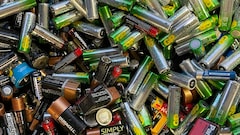
The government has banned the export of black mass recovered from lithium-ion batteries, along with specified battery waste and scrap, with immediate effect. The move is aimed at keeping more of these materials in India for recycling and reducing the country's dependence on overseas processing for critical minerals.
What is black mass?
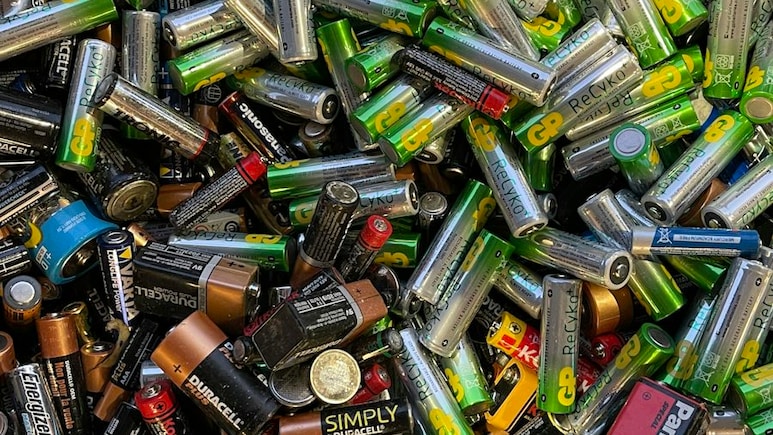
Black mass is a dark, powder-like material obtained by shredding discarded lithium-ion batteries and battery manufacturing waste. It contains valuable critical minerals, including lithium, cobalt, nickel and graphite. These are essential for electric vehicle (EV) batteries, electronics, renewable energy systems and large-scale energy storage.
What does the export ban mean?
The Directorate General of Foreign Trade (DGFT), under the Ministry of Commerce and Industry, has changed the export classification of lithium-ion battery black mass from 'Free' to 'Prohibited' until further orders, according to The Economic Times.
Also Read | Layoffs Are Rising In Tech, But These Skills Are Helping People Unlock Better Pay
The decision means domestically generated battery waste will have to be retained within the country and made available to Indian recycling and refining facilities instead of being sent to overseas markets, including China.
Why has the government banned black mass exports?
The move addresses a supply shortage faced by India's battery recycling industry. Several domestic facilities have struggled to secure enough raw materials to keep their operations running. Despite growing investments in battery recycling and mineral recovery, some recyclers have had to import battery waste, even as locally generated black mass continued to reach international markets.
How does the move fit into India's critical mineral strategy?
The export ban is part of India's broader effort to strengthen domestic critical mineral supply chains, reduce import dependence and recover valuable materials from discarded batteries.
It also aligns with the Rs 1,500 crore Incentive Scheme for Promotion of Critical Mineral Recycling, approved in September 2025 under the National Critical Mineral Mission.
With demand for electric vehicles, battery manufacturing and renewable energy storage rising, the government is looking to build a stronger domestic battery recycling industry and reduce reliance on overseas processing.
ALSO READ: 8th Pay Commission Exclusive: '100% Sure Of Arrears From January 2026', Says NC-JCM Staff Side Chief
Essential Business Intelligence, Sharp Market Insights, Practical Personal Finance Advice, Daily Fuel, Gold and Silver Prices and Latest Stories — On NDTV Profit.