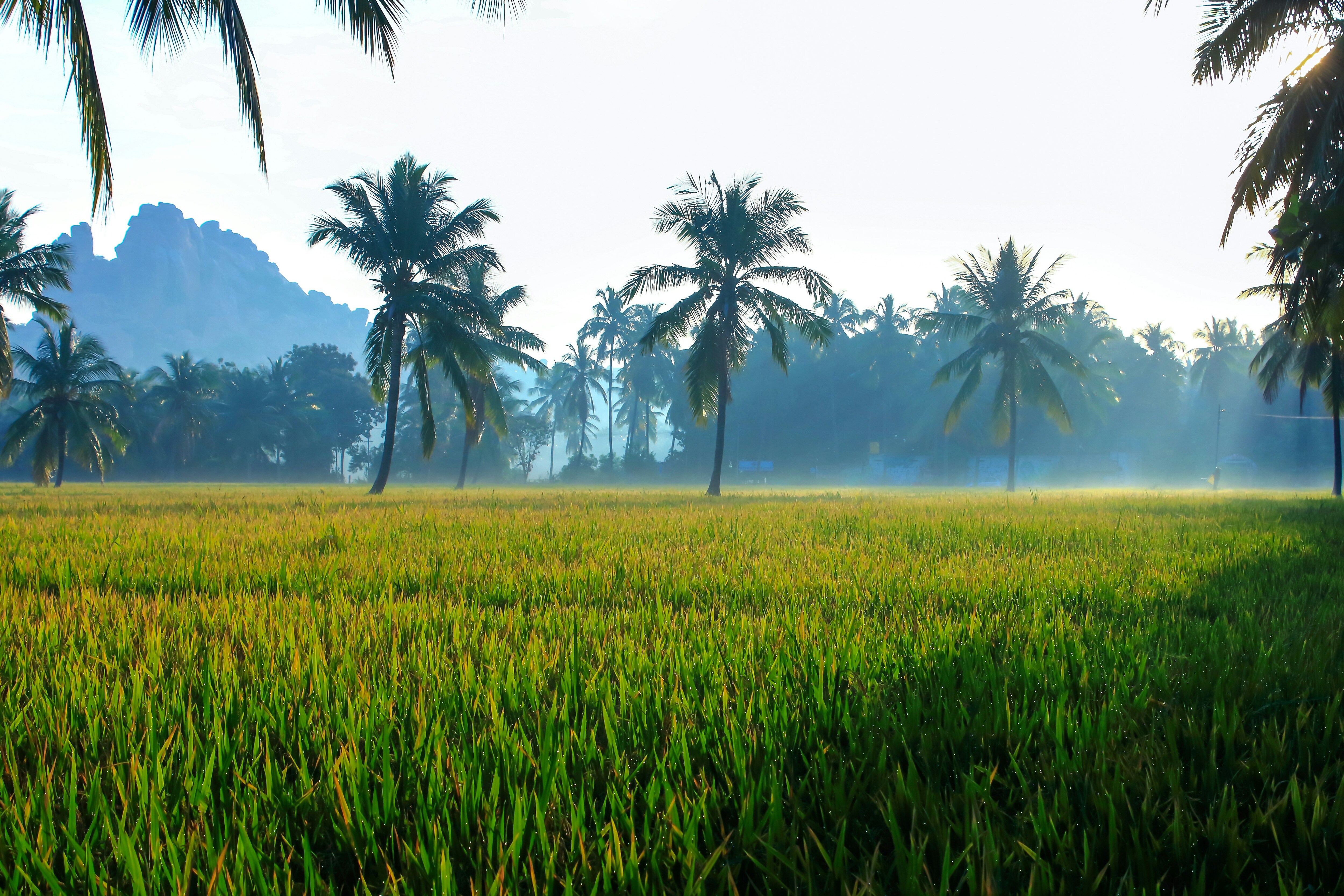
In a bid to combat the growing challenges posed by climate change, the government is targeting to bring 25% of the total kharif paddy area under climate-resilient seeds, a senior agriculture ministry official said on Monday.
The move comes as erratic rainfall patterns have become increasingly common in recent years, threatening rice production in the country.
India, the world's second-largest rice producer after China, cultivates paddy on over 410 lakh hectares during the kharif season.
Also Read | Layoffs Are Rising In Tech, But These Skills Are Helping People Unlock Better Pay
Speaking on the sidelines of ICAR's 96th Foundation and Technology Day celebrations, ICAR Director General Himanshu Pathak said, "While we have achieved 75% coverage of climate-resilient seeds in wheat cultivation, the adoption in paddy is still limited."

-
 Indian Markets Turning Corner After Two Tough Years, Says Sandeep Tandon
-
 NDTV Profit Ignite 2026: Experts See Opportunity In Equities, Stay Bullish For Long-Term
-
 Buy Right, Sit Tight Does Not Work for Individual Stocks, Says Dinshaw Irani
-
 'Worst Is Behind': Quant MF Sees Market Bottom, Flags 'Extreme Euphoria' In Midcaps
-
 India's Mutual Fund Industry Could Become A $1 Trillion Opportunity, Say Fund Managers
-
 'Foreign Investors Are Baraatis': Raamdeo Agrawal's Take On LTCG Tax
-
 Stay Invested Through Market Cycles: Raamdeo Agrawal at NDTV Profit Ignite
-
 Ramesh Damani Remains Bullish On India For Next 20-30 Years, Sees Bargains Amid Market Weakness
-
 CAS Came After A Long Consultation Process: SEBI Chairman Tuhin Kanta Pandey AT NDTV PROFIT IGNITE
-
 Aim To Cut FPI Onboarding Time From Mth To Five Days: SEBI Chairman Tuhin Kanta Pandey AT NDTV PROFI
Pathak revealed that ICAR has developed paddy seeds resistant to drought and lodging. These seeds were sown in 16% of the total paddy area during the 2023 kharif season.
"For the ongoing kharif season, we aim to increase this coverage to 25%," he added.
The push for climate-resilient seeds comes at a crucial time. Research studies indicate that climate change could reduce rice yields in India by 3-5% under a medium emissions scenario, and up to 31.3% by 2030 under high emissions.
India's estimated rice production for the 2023-24 crop year (July-June) stands at 136.7 million tonne. The top rice-producing states include West Bengal, Uttar Pradesh, Punjab, Tamil Nadu, and Andhra Pradesh.
Pathak attributed the record wheat output of 112.9 million tonne in 2023-24 to the widespread use of climate-resistant seeds, despite weather aberrations.
The government now hopes to replicate this success in paddy cultivation.
Sowing of paddy, the main kharif (summer) crop, is underway across the country. As of now, about 60 lakh hectares have been covered under paddy since the start of sowing operations in June, according to government data.
The adoption of climate-resilient varieties could play a crucial role in safeguarding India's rice production in the face of increasing climate uncertainty.
Essential Business Intelligence, Sharp Market Insights, Practical Personal Finance Advice, Daily Fuel, Gold and Silver Prices and Latest Stories — On NDTV Profit.