- The Union Cabinet approved a Rs 1,789.52 crore AI-based traffic system for Delhi
- The system covers 42 corridors and will be implemented over 24 months in three phases
- Adaptive Traffic Control Systems will adjust signals based on real-time traffic conditions
The Union Cabinet has approved a Rs 1,789.52 crore Intelligent Traffic Management System (ITMS) for Delhi, setting the stage for a city-wide shift towards AI-based traffic control, automated enforcement and real-time monitoring.
The Cabinet Committee on Economic Affairs, chaired by Prime Minister Narendra Modi, cleared the project for implementation by the Delhi Police, according to an official release.
The system will cover 42 traffic corridors and is scheduled to be rolled out in three phases over 24 months, followed by five years of operation and maintenance.
Also Read | Layoffs Are Rising In Tech, But These Skills Are Helping People Unlock Better Pay
The move comes as Delhi's vehicle population continues to put pressure on its existing road network. The capital has around 71 lakh active registered vehicles, while road infrastructure has not expanded at the same pace.
New system is intended to make better use of existing roads by adjusting traffic management based on live conditions.
Also Read | Delhi Traffic Advisory: Diversions, Routes To Airport, Metro Amid BRICS Motorcade Rehearsals
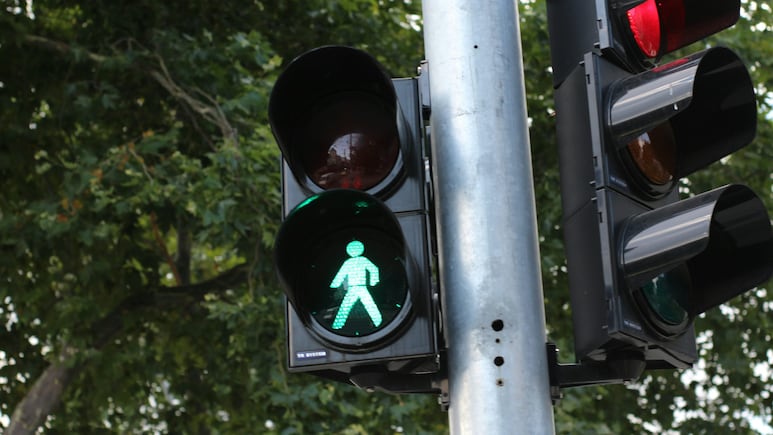
At the core of the project will be Adaptive Traffic Control Systems, which will change signal timings according to traffic levels and coordinate signals across identified corridors. The system will also support priority movement for ambulances and other emergency vehicles through green corridors.
Real-time detection of congestion, accidents and slow-moving traffic will help authorities respond faster and introduce diversions when required.
Commuters will receive updates on traffic, diversions and parking through Variable Message Signs and digital platforms, with information potentially shared with navigation service providers.
The project also brings technology-based enforcement to a wider scale. AI-enabled systems will detect violations including speeding, red-light jumping, wrong-way driving, illegal parking and non-use of helmets or seat belts.
The technology will also help identify stolen, blacklisted and repeat-offender vehicles.
The ITMS will operate through integrated Traffic Command and Control Centres, supported by a secure data centre and disaster recovery infrastructure. The system will cover 1,092 adaptive traffic-control locations and 1,029 enforcement locations.
Also Read | Delhi Traffic Advisory For BRICS Summit: Affected Roads, Diversions, Alternate Routes
Delhi Police will appoint a Master System Integrator through competitive bidding, while C-DAC will provide technical support and project management assistance.
The government said the project is aimed at making Delhi's traffic movement more predictable, improving road safety and enabling quicker responses to congestion and incidents.
Essential Business Intelligence, Sharp Market Insights, Practical Personal Finance Advice, Daily Fuel, Gold and Silver Prices and Latest Stories — On NDTV Profit.