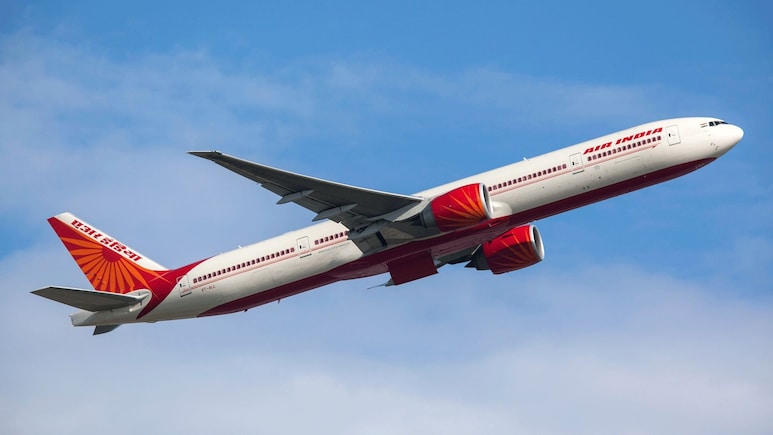
An Air India Airbus A320neo flying from Phuket to New Delhi lost key flight controls for about four seconds after multiple hydraulic system failures, according to Airbus's initial analysis of the aircraft's flight data recorder accessed by NDTV.
The August 4 incident involving flight AI2379 caused the aircraft to plunge about 300 feet, injuring at least 24 passengers and crew members. The flight was carrying 145 people, including 137 passengers and eight crew members.
Airbus's preliminary assessment found that the aircraft's elevators and ailerons, which control pitch and roll, temporarily lost normal hydraulic control, while spoiler functions were also affected during the failure.
Also Read | Layoffs Are Rising In Tech, But These Skills Are Helping People Unlock Better Pay
Three Hydraulic Systems Failure
During the four-second period, the elevators and ailerons drifted without pilot command as the A320neo experienced failures involving all three hydraulic systems, according to Airbus's initial reading of the Digital Flight Data Recorder.
Hydraulic power is critical for operating the aircraft's flight-control surfaces. Elevators control whether the nose pitches up or down, while ailerons control roll. Spoilers reduce lift and increase drag, helping an aircraft descend, slow down and brake after landing.
The autopilot subsequently disconnected. The co-pilot, who was flying the aircraft, pushed the side-stick forward after the aircraft's systems are believed to have generated stall warnings. A stall occurs when an aircraft's wings are unable to generate sufficient lift. Lowering the nose is a standard response to recover from an impending stall.
However, with hydraulic power unavailable, the co-pilot's commands did not immediately translate into nose-down movement. Once the three hydraulic systems recovered seconds later, control inputs took effect, resulting in a sharp downward trajectory.
Several passengers and cabin crew were thrown upwards inside the aircraft, causing injuries, some of them serious.
ALSO READ: Air India Phuket-Delhi Pilot May Lose Licence If Dope Test Is Positive: Pilots' Body Chief
Airbus Begins Technical Assessment
According to documents accessed by NDTV, flight data from the 7.8-year-old aircraft was transmitted to Airbus's AIRTAC technical support centre in Toulouse. In its preliminary response dated August 4, Airbus said the flight-control computers had detected hydraulic-system abnormalities and that its assessment was examining multiple aircraft-system faults alongside the sudden altitude loss.
Separately, Air India and Air India Express on Thursday began mandatory psychoactive-substance screening for their entire pilot workforce, going beyond regulatory requirements for random testing.
Sources said the pilot-in-command of AI2379 subsequently tested positive for marijuana in a confirmatory test. The incident remains under investigation.
ALSO READ: Air India Mandates Testing Pilots For Banned Substances After Phuket Flight Row: Sources
Essential Business Intelligence, Sharp Market Insights, Practical Personal Finance Advice, Daily Fuel, Gold and Silver Prices and Latest Stories — On NDTV Profit.