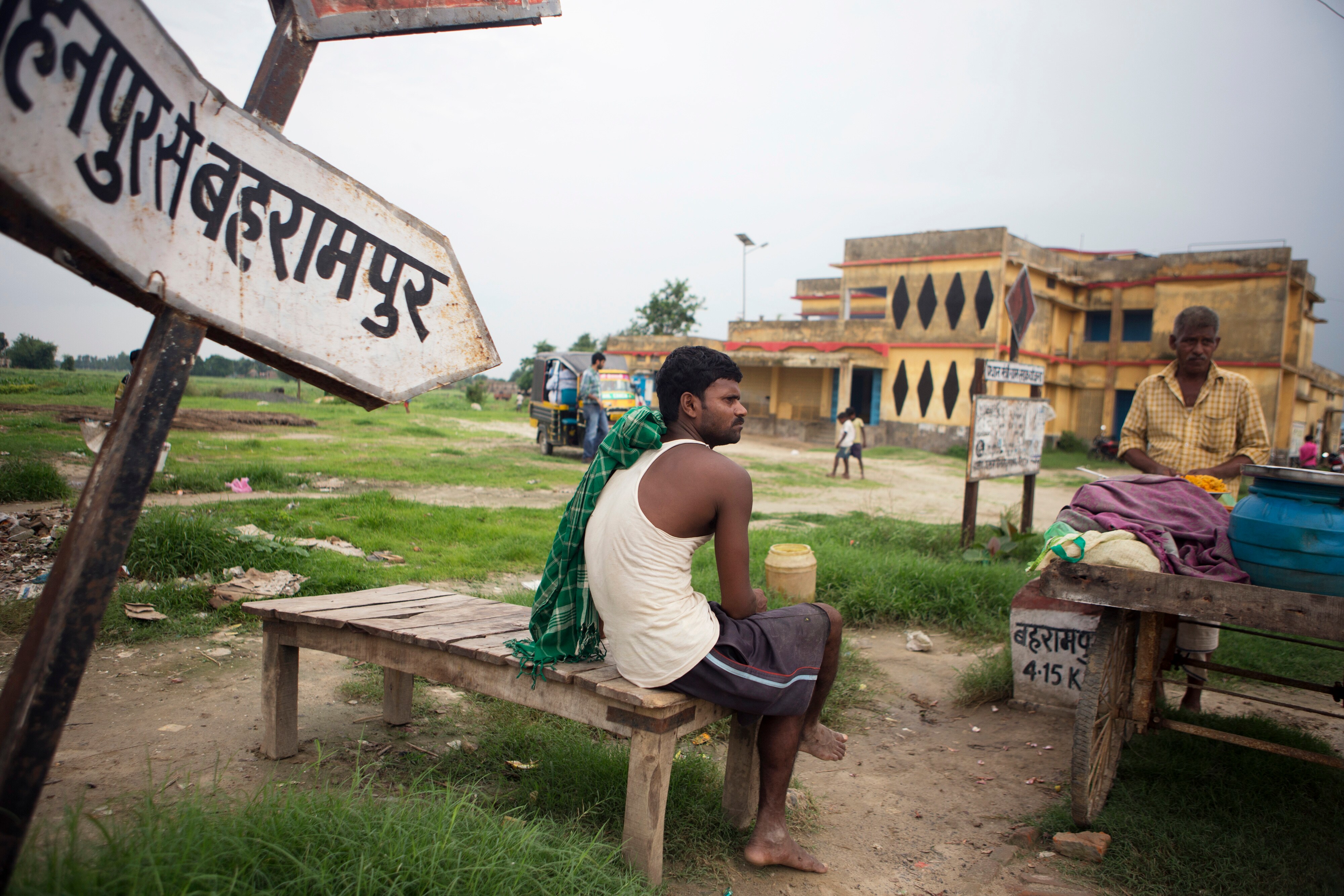
During a recent visit to Bihar, Prime Minister Narendra Modi praised Chief Minister Nitish Kumar for his alcohol ban policy in Bihar. He said, “I greet Nitish Kumar from the core of my heart for launching a campaign against liquor. But, this work (prohibition) would not be a grand success only by the efforts of Nitish Kumar or one party. All political parties, social organisations and citizens have to participate to make it a ‘jan-jan ka andolan‘ (people's movement).”
In April 2016, Kumar announced a ban on the sale and consumption of country liquor in the state. The ban was one of Kumar's key poll promises made to women voters –who rallied behind him strongly, as this Mint report indicates – during the 2015 assembly elections.
Thirty days after the ban, Kumar claimed that the crime rate was down 27 percent , according to his analysis of crime data from April 2016 and April 2015.
Also Read | Layoffs Are Rising In Tech, But These Skills Are Helping People Unlock Better Pay
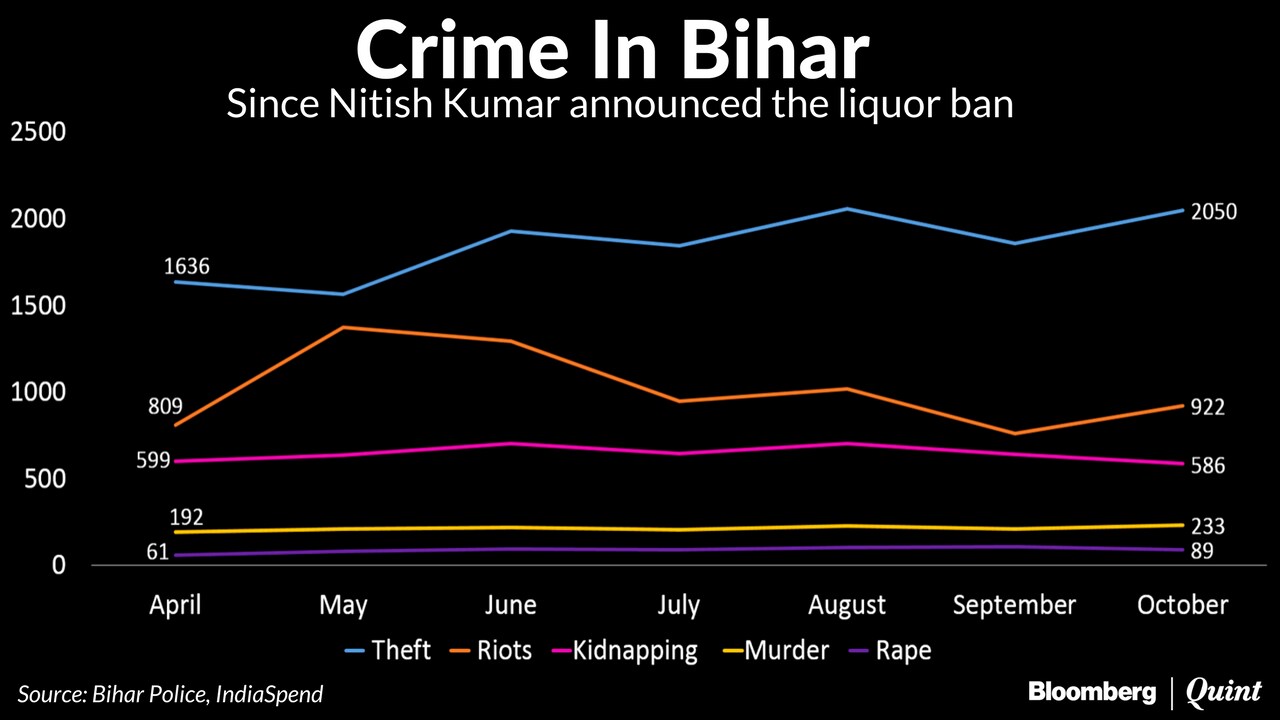
Nine months – or 270 days – into the ban, an IndiaSpend analysis of Bihar Police's crime data, reveals that cognizable crime – which the police can investigate without a magistrate's order – rose 13 percent between April and October 2016, from 14,279 in April to 16,153 in October (latest available data).
In other words, the liquor ban does not correlate with a drop in crime, a primary reason for the new law, which came into being despite the Patna High Court holding it violative of the Constitution because it denied citizens their right to privacy under Article 21.
Conviction of criminals in Bihar had declined 68 percent, from 14,311 in 2010 to 4,513 in 2015, and cognizable crimes rose 42 percent over the same period, IndiaSpend reported in May 2016.
.png)
Every major crime – murder, rape, kidnapping, rioting – increased in the months following the liquor ban.
Bihar has a lower crime rate than more prosperous states with fewer people, such as Gujarat, Kerala, Rajasthan and Madhya Pradesh, mainly due to under-reporting, IndiaSpend reported in May 2016.
The Patna High Court had quashed the alcohol ban in September 2016, terming the Bihar Excise (Amendment) Act 2016, “illegal”. The new Bill provided punishment that included arrests of all adults in the family if anyone stores or consumes alcohol. Those flouting the ban face up to 10 years in jail, and a fine of up to Rs 10 lakh. If a government bill is struck down by the courts, legislative sanction can convert it into a law that the courts cannot interfere with. That is what happened in Bihar.
Within two days of the high court order, the Bihar government notified a new law, the Bihar Prohibition and Excise Act, 2016, ensuring that the ban on sale and consumption of alcohol, including Indian Made Foreign Liquor (IMFL) and “spiced” and domestic liquor, continued in the state, even though the high court said a ban was “ultra vires of the Constitution”.
(Saha is an MA Gender and Development student at Institute of Development Studies, University of Sussex.)
This article has been published in arrangement with IndiaSpend.
Essential Business Intelligence, Sharp Market Insights, Practical Personal Finance Advice, Daily Fuel, Gold and Silver Prices and Latest Stories — On NDTV Profit.