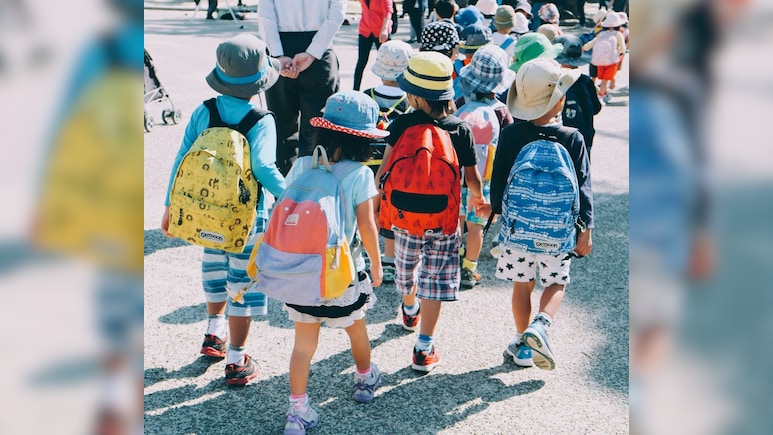
Elementary Schools in Quebec, Canada, could soon face tighter restrictions on religious clothing, including hijabs, turbans and Jewish skullcaps, as the province's newly-elected Parti Québécois (PQ) government moves to expand its secularism laws. The proposed measures would prohibit elementary school students from wearing visible religious symbols, enhancing restrictions that already apply to teachers and certain public-sector employees.
Quebec's new Education Minister, Joël Arseneau, has reaffirmed the government's determination to implement the controversial policy, describing it as a firm electoral commitment. Speaking to reporters on Wednesday, October 28, Arseneau said the proposed ban was non-negotiable and that his government would work towards introducing it.

-
 Indian Markets Turning Corner After Two Tough Years, Says Sandeep Tandon
-
 NDTV Profit Ignite 2026: Experts See Opportunity In Equities, Stay Bullish For Long-Term
-
 Buy Right, Sit Tight Does Not Work for Individual Stocks, Says Dinshaw Irani
-
 'Worst Is Behind': Quant MF Sees Market Bottom, Flags 'Extreme Euphoria' In Midcaps
-
 India's Mutual Fund Industry Could Become A $1 Trillion Opportunity, Say Fund Managers
-
 'Foreign Investors Are Baraatis': Raamdeo Agrawal's Take On LTCG Tax
-
 Stay Invested Through Market Cycles: Raamdeo Agrawal at NDTV Profit Ignite
-
 Ramesh Damani Remains Bullish On India For Next 20-30 Years, Sees Bargains Amid Market Weakness
-
 CAS Came After A Long Consultation Process: SEBI Chairman Tuhin Kanta Pandey AT NDTV PROFIT IGNITE
-
 Aim To Cut FPI Onboarding Time From Mth To Five Days: SEBI Chairman Tuhin Kanta Pandey AT NDTV PROFI
The Parti Québécois, which recently formed a minority government, had promised during its election campaign to strengthen Quebec's secularism framework. The party maintains that public educational institutions should remain religiously neutral and that religious practices should largely belong to the private sphere.
Also Read | Layoffs Are Rising In Tech, But These Skills Are Helping People Unlock Better Pay
Under Quebec's existing secularism legislation, commonly known as Bill 21, certain public employees, including schoolteachers, are already prohibited from wearing religious symbols while performing their duties, subject to specified exemptions. The latest proposal would take the restrictions further by extending them to children attending elementary schools.
ALSO READ | Indian Students In Canada Risk Losing Visa If They Break This Rule
If implemented, the policy could affect Muslim students who wear hijabs, Sikh children who wear turbans and Jewish pupils who wear kippahs. However, the government has not yet announced when it intends to introduce the legislation or how the proposed rules would be enforced.
The announcement has triggered strong opposition from religious organisations, civil liberties advocates and school administrators, who argue that restricting children's religious clothing could undermine their fundamental rights and access to education.
The National Council of Canadian Muslims has raised concerns that the measure could disproportionately affect children from minority religious communities. Its chief executive, Stephen Brown, criticised the proposal, arguing that students should not have to choose between expressing their religious identity and attending school.
Brown also questioned the expansion of Quebec's secularism policies, pointing out that restrictions initially introduced for people holding positions of authority have progressively extended to other areas of public life.
ALSO READ | UK Student Visa Rules To Change: Indians Must Show Up To Rs 18 Lakh For Living Expenses
Jewish religious representatives have similarly expressed concern about the proposed changes. Rabbi Lisa Grushcow of Montreal's Temple Emanu-El-Beth Sholom emphasised that religious clothing can be an important part of personal identity and everyday religious practice rather than simply a visible declaration of belief.
Education sector representatives have warned that the proposed ban could damage relationships between schools and families. They fear that some parents could become reluctant to send their children to institutions where religious clothing is prohibited, creating additional barriers to educational participation.
The Canadian Civil Liberties Association has also questioned whether the legislation would violate constitutional protections relating to freedom of religion, freedom of expression and equality. Legal experts have raised the possibility that the government could invoke Canada's notwithstanding clause to protect the proposed restrictions from certain constitutional challenges.
Essential Business Intelligence, Sharp Market Insights, Practical Personal Finance Advice, Daily Fuel, Gold and Silver Prices and Latest Stories — On NDTV Profit.