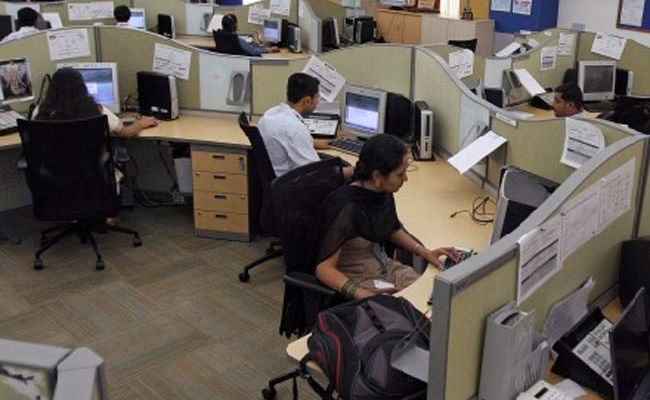
Unemployment rate rose to 6.1 per cent in the 2017/18 fiscal year, the statistics ministry said on Friday, matching data earlier leaked to a newspaper that said it was the highest level in at least 45 years.
The data was released a day after Prime Minister Narendra Modi was sworn-in for his second term.
The unemployment number comes as another set of data released on Friday showed that the economy grew at 5.8 per cent in the January-March period, its slowest pace in 17 quarters, and falling behind China's pace for the first time in nearly two years.
Also Read | Layoffs Are Rising In Tech, But These Skills Are Helping People Unlock Better Pay

-
 Indian Markets Turning Corner After Two Tough Years, Says Sandeep Tandon
-
 NDTV Profit Ignite 2026: Experts See Opportunity In Equities, Stay Bullish For Long-Term
-
 Buy Right, Sit Tight Does Not Work for Individual Stocks, Says Dinshaw Irani
-
 'Worst Is Behind': Quant MF Sees Market Bottom, Flags 'Extreme Euphoria' In Midcaps
-
 India's Mutual Fund Industry Could Become A $1 Trillion Opportunity, Say Fund Managers
-
 'Foreign Investors Are Baraatis': Raamdeo Agrawal's Take On LTCG Tax
-
 Stay Invested Through Market Cycles: Raamdeo Agrawal at NDTV Profit Ignite
-
 Ramesh Damani Remains Bullish On India For Next 20-30 Years, Sees Bargains Amid Market Weakness
-
 CAS Came After A Long Consultation Process: SEBI Chairman Tuhin Kanta Pandey AT NDTV PROFIT IGNITE
-
 Aim To Cut FPI Onboarding Time From Mth To Five Days: SEBI Chairman Tuhin Kanta Pandey AT NDTV PROFI
The government declined to provide comparable numbers for the jobless rate.
"It's a new design, new metric," chief statistician Pravin Srivastava told reporters. He did not elaborate.
"It would be unfair to compare it with the past."
The Business Standard newspaper, which first reported the figure in January, had said that it was based on an assessment carried out by the National Sample Survey Office between July 2017 and June 2018.
The unemployment rate was the highest since 1972/73, the newspaper reported without giving a figure for that fiscal year.
The statistics ministry also said that female labour participation rate in urban areas for the quarter ending December 2018 was 19.5 per cent, compared with 73.6 per cent for males.
Essential Business Intelligence, Sharp Market Insights, Practical Personal Finance Advice, Daily Fuel, Gold and Silver Prices and Latest Stories — On NDTV Profit.