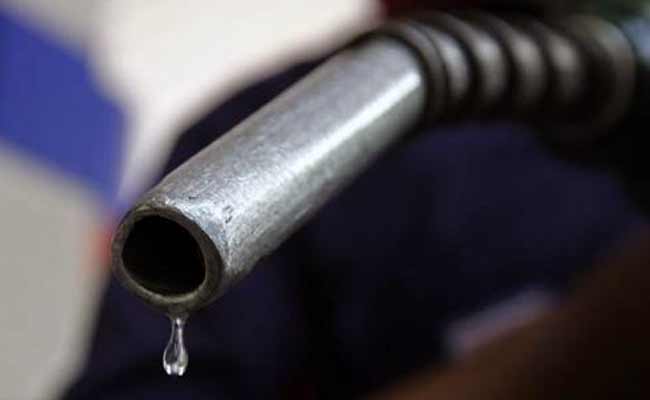
Petrol prices were cut on June 30 by 31 paise per litre and diesel by 71 paise a litre in line with a fall in international oil rates. Brace for a bigger cut by the middle of this month when oil firms revise their prices. Also, with analysts remaining bearish on global oil prices, expect more cuts in petrol and diesel prices.
India imports close to 80 per cent of its oil requirement. Besides global oil prices, the value of rupee is a key determiner of domestic petrol and diesel prices.
Global oil prices have fallen sharply this week due to a confluence of factors: Greece crisis, hopes of a breakthrough in Iran talks, a stronger dollar and a sharp fall in Chinese stock markets.
Global oil prices suffered their biggest selloff in five months on Monday, falling as much as 8 per cent. As a result, Brent crude prices collapsed below the $60 per barrel mark for the first time since mid-April. On Tuesday, Brent crude was trading at $57 levels.
Analysts also remain bearish on oil. The fundamentals of oil remains weak with concerns over oversupply and the turmoil in Chinese stock markets adding to fears of a slowdown in the country's economy, Dr Jeff Brown, president of FGE, told NDTV. He expects oil prices to remain under pressure this year and fall to $50 levels.
Chinese stock markets have fallen nearly 30 per cent since June 2 peak, despite numerous attempts by its government to support the market. China accounts for 30-50 per cent of global oil demand growth and with its economy slowing down, oil prices are likely to feel the pressure, Dr Brown added.
Legendary commodity investor Jim Rogers recently told ET Now that oil could test the lows of $50s or $40s. Oil consultancy firm Energy Aspects also said that macroeconomic headwinds for oil are rising.
Analysts say OPEC (Organization of the Petroleum Exporting Countries) is now pumping around 2.5 million barrels per day (bpd) more than demand for its crude, filling inventories worldwide. Adding to the already-oversupplied market, US drillers are coming back even at lower oil prices, said Dr Brown.
The stronger dollar has also put pressure on oil prices. A stronger dollar makes the commodity more expensive for holders of other currencies. The dollar index, which measures the US dollar's value against other six other global currencies has gained nearly 1.8 per cent in the past one month, adding to the pressure on oil.
On the other hand, the rupee has remained calm to the turmoil in global markets. In fact, it has gained over nearly 0.50 per cent against the US dollar in the past one month and is currently at 63.45/dollar levels. Moreover, analysts don't expect the rupee to fall much against the US dollar, citing improving macroeconomic fundamentals of India.
India imports close to 80 per cent of its oil requirement. Besides global oil prices, the value of rupee is a key determiner of domestic petrol and diesel prices.
Global oil prices have fallen sharply this week due to a confluence of factors: Greece crisis, hopes of a breakthrough in Iran talks, a stronger dollar and a sharp fall in Chinese stock markets.
Global oil prices suffered their biggest selloff in five months on Monday, falling as much as 8 per cent. As a result, Brent crude prices collapsed below the $60 per barrel mark for the first time since mid-April. On Tuesday, Brent crude was trading at $57 levels.
Analysts also remain bearish on oil. The fundamentals of oil remains weak with concerns over oversupply and the turmoil in Chinese stock markets adding to fears of a slowdown in the country's economy, Dr Jeff Brown, president of FGE, told NDTV. He expects oil prices to remain under pressure this year and fall to $50 levels.
Chinese stock markets have fallen nearly 30 per cent since June 2 peak, despite numerous attempts by its government to support the market. China accounts for 30-50 per cent of global oil demand growth and with its economy slowing down, oil prices are likely to feel the pressure, Dr Brown added.
Legendary commodity investor Jim Rogers recently told ET Now that oil could test the lows of $50s or $40s. Oil consultancy firm Energy Aspects also said that macroeconomic headwinds for oil are rising.
Analysts say OPEC (Organization of the Petroleum Exporting Countries) is now pumping around 2.5 million barrels per day (bpd) more than demand for its crude, filling inventories worldwide. Adding to the already-oversupplied market, US drillers are coming back even at lower oil prices, said Dr Brown.
The stronger dollar has also put pressure on oil prices. A stronger dollar makes the commodity more expensive for holders of other currencies. The dollar index, which measures the US dollar's value against other six other global currencies has gained nearly 1.8 per cent in the past one month, adding to the pressure on oil.
On the other hand, the rupee has remained calm to the turmoil in global markets. In fact, it has gained over nearly 0.50 per cent against the US dollar in the past one month and is currently at 63.45/dollar levels. Moreover, analysts don't expect the rupee to fall much against the US dollar, citing improving macroeconomic fundamentals of India.
Essential Business Intelligence, Sharp Market Insights, Practical Personal Finance Advice, Daily Fuel, Gold and Silver Prices and Latest Stories — On NDTV Profit.