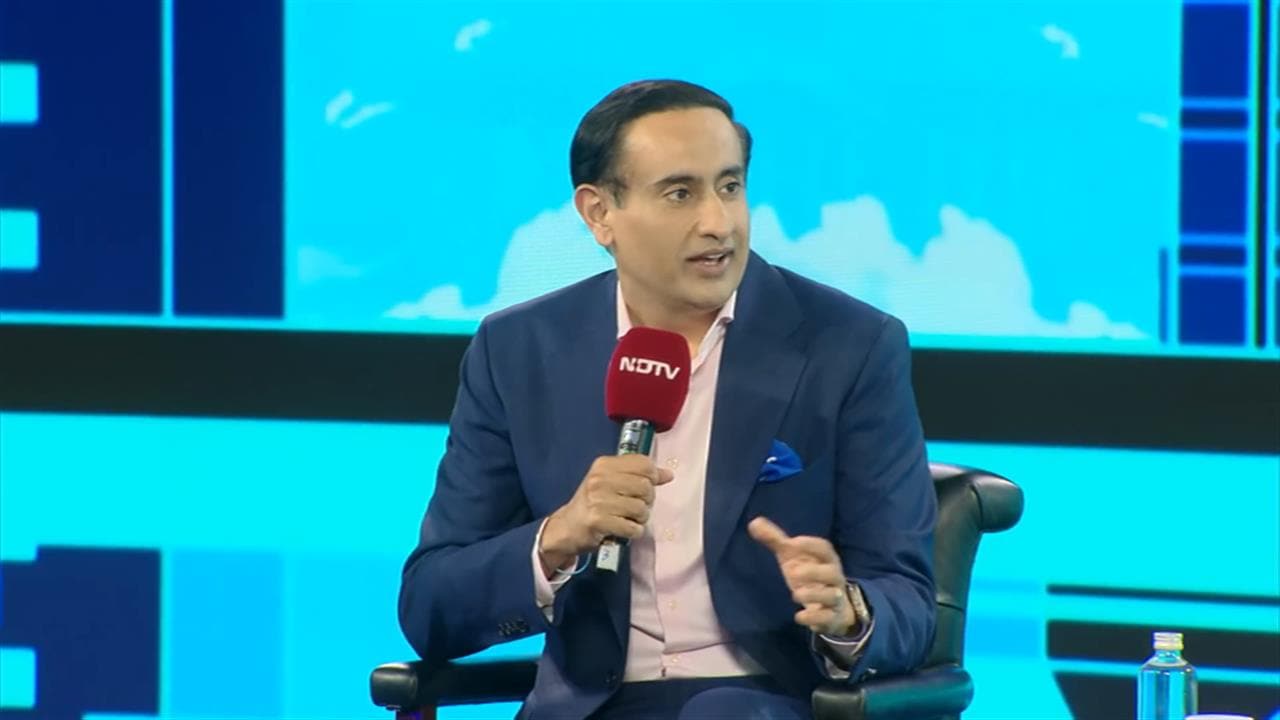
(Neeru Ahuja is Partner with Deloitte Haskins & Sells LLP)
The Union Budget 2015 has set the context for aligning India's tax regime with the global best practices. The continued promises of providing clarity on tax laws and addressing concerns of various communities have finally been fulfilled to some extent.
While presenting the Union Budget 2015, the finance minister has made quite a few progressive announcements. However, the key budget announcement is the deferral of implementation of General Anti-Avoidance Rules (GAAR). The GAAR provisions which found place in the Indian tax laws in 2012 had raised apprehension in the minds of the business community. Much in line with their expectations, the finance minister has proposed to defer its implementation by two years and to apply the same prospectively to investments made on or after 1 April 2017.
Recognising the ambiguities in the current provisions relating to indirect transfers, the Budget has proposed amendments to address the same. As is presently the scenario, capital gains is levied on indirect transfer of shares which derive their value substantially from assets located in India. It is well-known that the Finance Act 2012, by bringing the indirect transfer of shares with retrospective effect within the tax ambit, undermined confidence of the global investors in India's tax policies and certainty of tax laws. The issues and the slew of tax disputes that followed were widely criticized by the global business community, especially on the lack of clarity on the term "substantially".
In a welcome move, the Union Budget 2015 has clarified the said ambiguity and proposed that the share or interest shall be deemed to derive its value substantially from the assets located in India, if on the specified date, the value of such assets represents at least fifty per cent of the value of all the assets owned by the company or entity. It has further been proposed that the indirect transfer provisions would not apply if the value of Indian assets does not exceed Rs 10 crore.
Announcing transformative measures in the direct taxation, the Budget has proposed to reduce the corporate income tax rate from 30 per cent to 25 per cent over the next four years. However, it has been proposed that this process of reduction will be accompanied by removal of various kinds of tax exemptions and incentives in a phased manner, starting from next financial year.
Further, the proposed reduction of tax rate applicable to non-resident taxpayers, in respect of income by way of royalty and fees for technical services, from 25 per cent to 10 per cent is also a manifestation of India's commitment to reduce hardships being faced by the business community.
Simultaneous to a focused approach on strengthening sentiments of various communities, the Budget has also set the roadmap to curtail black money. The stance of the government to curb black money is evident from the following statement of the Finance Minister while presenting the Union Budget 2015:
"A very important dimension to our tax administration is the fight against the scourge of black money. A number of measures have already been taken in this direction. I propose to do much more."
In an attempt to curtain black money, the finance minister has indicated that a new comprehensive law on black money to specifically deal with money stashed abroad is on the cards. Identifying the key features of such proposed law on black money, severe adverse consequences in the form of prosecution and penalty have been indicated by the finance minister for concealment of income and assets and evasion of tax in relation to foreign assets. It has further been proposed that income in relation to any undisclosed foreign asset or undisclosed income from any foreign asset will be taxable at the maximum marginal rate.
The announcements give a clear message to various communities at large that India is committed to provide certainty in the tax treatment and ensure an investment-friendly climate. This clarity was needed to counteract the negative sentiments caused by the amendments legislated in the past years. At the same time, the Union Budget 2015 has laid much emphasis on the fight against black money.
With a strong focus on addressing concerns of various communities and curtailing black money, this year's Budget will go a long way in harmonising India's tax regime.
(Vipul Sippy of Deloitte Haskins & Sells LLP contributed to the article)
Disclaimer: The opinions expressed within this article are the personal opinions of the author. NDTV is not responsible for the accuracy, completeness, suitability, or validity of any information on this article. All information is provided on an as-is basis. The information, facts or opinions appearing in the article do not reflect the views of NDTV and NDTV does not assume any responsibility or liability for the same.