The Ministry of Power has circulated the draft Corporate Average Fuel Economy 2027 Norms (CAFE-III) for stakeholder consultation, proposing a fresh five-year fuel efficiency regime for passenger vehicles from April 1, 2027.
The draft norms apply to M1 category vehicles, a classification that covers passenger cars carrying up to eight people besides the driver, essentially all standard hatchbacks, sedans and SUVs sold for personal use. This excludes goods carriers and buses. The scope marks a narrowing from earlier drafts, which had also floated a separate CAFE-IV track for FY32-37. That track appears to have been dropped, with the current draft focused solely on four-wheeler passenger cars.
The existing CAFE-II norms are likely to lapse on March 31, 2027. Compliance under CAFE-III will be assessed in two phases, the first covering three years and the second the remaining two, with fuel efficiency targets becoming stricter each year through the period. The framework, overseen by the Bureau of Energy Efficiency under the Ministry of Power, aims to bring down average fleet emissions from current levels to a significantly lower threshold by FY32, according to earlier drafts reported in the media, though exact figures have varied across iterations of the proposal.
Also Read | Layoffs Are Rising In Tech, But These Skills Are Helping People Unlock Better Pay
ALSO READ: Government Proposes Stricter Fuel Economy Norms For Cars From 2027
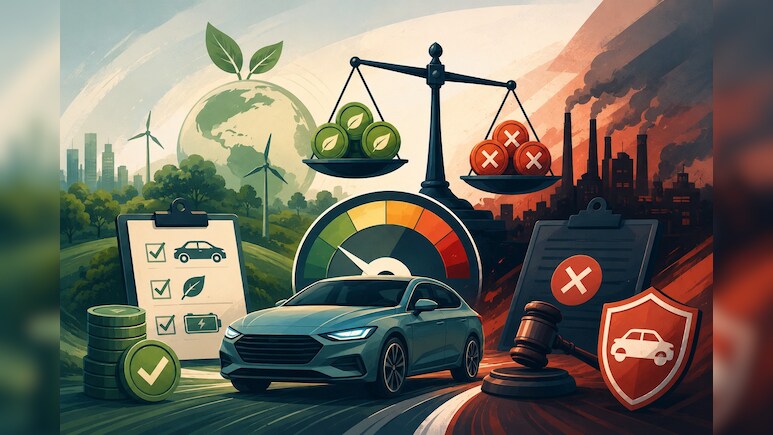
The new rules reward cleaner, more fuel-efficient vehicles. Carbon neutrality benefits have been proposed for ethanol, biofuels and compressed biogas, while automakers using approved fuel-saving technologies could get a compliance benefit of up to 9 gCO₂/km. Super credits are proposed for electric vehicles, hybrids and flex-fuel vehicles, alongside a credit-debit system letting manufacturers offset shortfalls in one segment against surpluses in another.
Automakers To Face Penalties
Compliance credits have been priced at Rs 2,500 each, rising by Rs 500 every year through the period, with unused credits expiring once the compliance period ends. Automakers that fail to meet targets could face penalties, though the quantum has not been detailed. Manufacturers selling fewer than 1,000 vehicles annually will remain exempt.
Industry response to earlier versions of the draft has been divided. The Society of Indian Automobile Manufacturers has backed the proposal as balanced, while some carmakers have pushed for relief on small petrol cars and others have opposed differentiated treatment for that segment.
The ministry has invited suggestions from stakeholders and the public. Feedback can be sent to the Under Secretary, Energy Conservation, at the ministry's New Delhi office, or emailed to saket-upsc@gov.in. The last date for submissions is August 6, 2026. The draft norms will also be uploaded on the websites of the Ministry of Power and the Bureau of Energy Efficiency shortly, the ministry said.
Essential Business Intelligence, Sharp Market Insights, Practical Personal Finance Advice, Daily Fuel, Gold and Silver Prices and Latest Stories — On NDTV Profit.