- India avoided fertiliser shortage despite global supply contraction through advance planning, says FM
- Government supported extra insurance premiums for shipping to secure essential supplies
- Fiscal deficit target of 4.4% of GDP achieved for FY26 without cutting social welfare funds
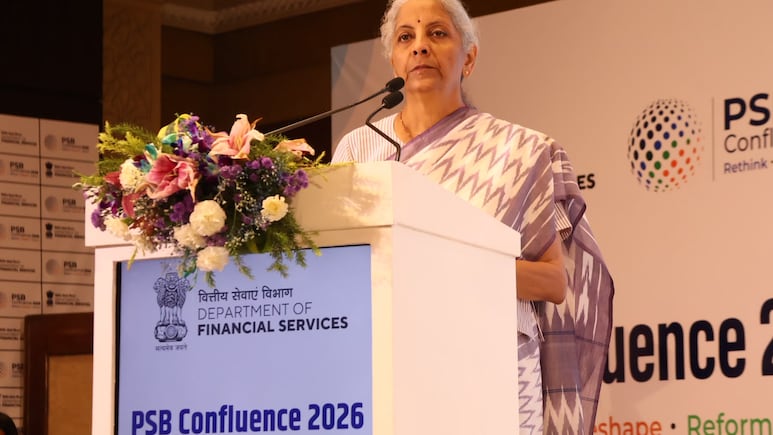
Finance Minister Nirmala Sitharaman said India managed to avoid a fertiliser shortage despite a sharp contraction in global supplies, crediting advance planning and clear communication with markets for ensuring adequate availability.
Speaking to the Indian diaspora in Chicago, Sitharaman said the disruption was not limited to fertilisers, with crude oil and LPG supplies also facing significant challenges.
"The fertiliser shortage was not felt in India because we managed to keep the markets informed about how much we would require," she said. "The global supply shrank. The challenges were even greater, whether it was crude oil, LPG or fertilisers."
Also Read | Layoffs Are Rising In Tech, But These Skills Are Helping People Unlock Better Pay
"Ships going to procure these supplies were unable to secure adequate insurance cover. Risk premiums had gone up significantly. Through a Budget announcement, we made a pool of funds available so that any additional premium paid by shipping liners due to the risks involved would be supported by the government," Sitharaman added.
India, however, "created a budgetary mechanism to support additional insurance premiums paid by shipping lines because of heightened risks", she said. Sitharaman said this helped ensure that farmers, households and logistics operations did not bear the full impact of the global disruption.
The fertiliser shortage was not felt in India because we managed to keep the markets informed about how much we would require.
— Nirmala Sitharaman Office (@nsitharamanoffc) August 30, 2026
The global supply shrank. The challenges were even greater, whether it was crude oil, LPG or fertilisers.
Ships going to procure these supplies were… pic.twitter.com/ApEjKc01Zm
ALSO READ: India, Uzbekistan Elevate Strategic Ties With Long-Term Uranium Deal, Setup Coordination Council
The finance minister also underscored that India's credit ratings were improving through proper management of the economy. "Our credit ratings are improving. But that's not by cutting corners. That's not by stopping the resources which have to go for social welfare. It is through proper management of the economy," she said.
ALSO READ: India Hits FY26 Fiscal Deficit Target, FM Sitharaman Eyes 50% Debt-To-GDP By 2030
She stressed that fiscal consolidation was achieved without cutting resources meant for social welfare or infrastructure spending.
“We have fulfilled the trajectory” set for fiscal deficit reduction, Sitharaman said, noting that the final milestone for 2025-26 had been achieved. India's fiscal deficit stood at 4.4% of GDP in FY26.
Looking ahead, she said the government has set a target of bringing borrowing down to 50% of GDP by 2030, contrasting India's position with several advanced economies where debt exceeds 200% of GDP.
Sitharaman also linked the fiscal roadmap to the broader Viksit Bharat 2047 agenda, saying the pace and scale of reforms would require greater support in terms of talent, ideas and capital.
Essential Business Intelligence, Sharp Market Insights, Practical Personal Finance Advice, Daily Fuel, Gold and Silver Prices and Latest Stories — On NDTV Profit.