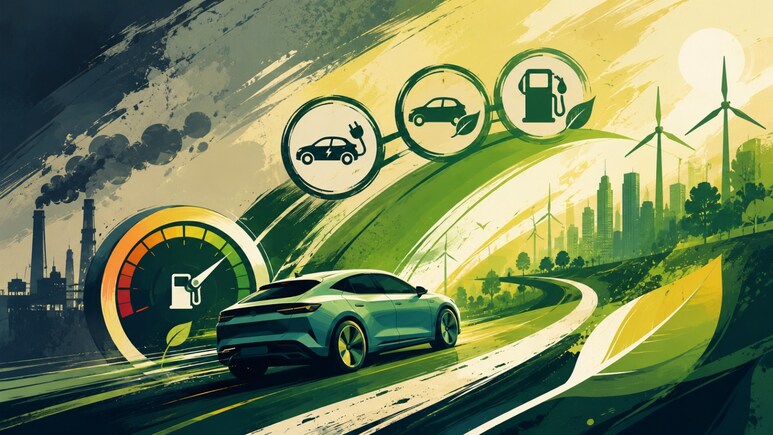
The Ministry of Power on Thursday said that it has circulated the Draft Corporate Average Fuel Economy 2027 Norms (CAFE-III) for stakeholder consultation. With the aim to enforce stricter fuel norms, the draft rules will be applicable on cars sold in India from 2027 to 2032 on M1 category vehicles, which includes standard cars, hatchbacks, sedans, and SUVs, according to a release by the Ministry.
While the norms are scheduled to be uploaded on the websites of the Ministry of Power and the Bureau of Energy Efficiency soon, people aware of the development shared key details from the draft rules. The CAFE III
List of key points from Draft Corporate Average Fuel Economy 2027 Norms -
Also Read | Layoffs Are Rising In Tech, But These Skills Are Helping People Unlock Better Pay
- Draft proposes CAFE-III norms to roll out from April 1, 2027 (FY28) for five years.
- CAFE-II norms likely to end on March 31, 2027.
- Compliance to be checked in two phases: first three years, then two years.
- Fuel efficiency targets to get stricter every year till 2031-32.
- New norms reward cleaner, more fuel-efficient vehicles.
- Carbon neutrality benefits proposed for ethanol, biofuels and CBG.
- Up to 9 gCO₂/km compliance benefit for approved fuel-saving technologies.
- Super credits proposed for EVs, hybrids and flex-fuel vehicles.
- Credit-debit system proposed for automakers to meet targets.
- Compliance credits priced at ₹2,500 each, rising ₹500 every year.
- Unused compliance credits to expire after the compliance period.
- Automakers may face penalties for failing to meet CAFE-III norms.
- Carmakers selling under 1,000 vehicles a year to remain exempt.
The deadline to submit suggestions and feedback for the draft rules is August 6, 2026.
Essential Business Intelligence, Sharp Market Insights, Practical Personal Finance Advice, Daily Fuel, Gold and Silver Prices and Latest Stories — On NDTV Profit.