- Deloitte India projects 6.5%-6.8% GDP growth for the current fiscal year
- Geopolitical tensions in the Middle East disrupted trade and caused rupee depreciation
- RBI lowered FY GDP growth forecast to 6.6% from 6.9% amid global uncertainties
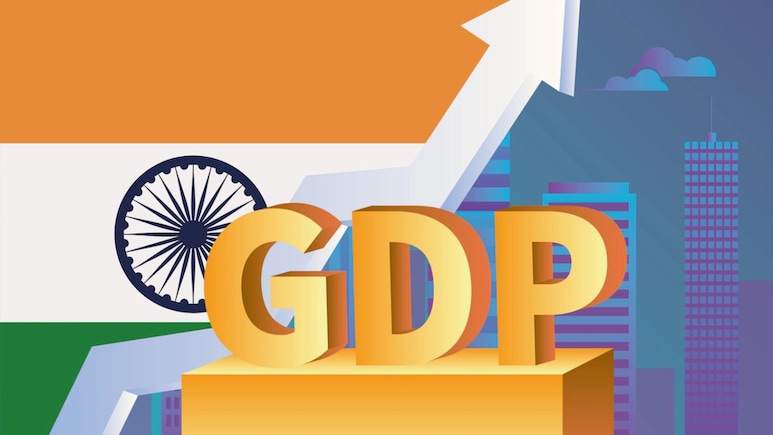
Deloitte India on Sunday projected India's economy to grow 6.5%-6.8% in the current fiscal year, with growth expected to strengthen in the second half on the back of festive demand, monetary easing and a gradual stabilisation in global conditions.
India entered 2026 in a "Goldilocks" phase, with macroeconomic fundamentals appearing well balanced, according to Deloitte India's latest Economic Outlook report.
However, the report said geopolitical tensions in the Middle East have since altered the global landscape by disrupting key shipping routes, fuelling commodity price volatility and weighing on investor sentiment.
Also Read | Layoffs Are Rising In Tech, But These Skills Are Helping People Unlock Better Pay
ALSO READ | Accenture Revises Salary Hike Structure With Base Pay, Lump-Sum Split
The developments resulted in a wider trade deficit, sustained capital outflows and a sharp depreciation of the rupee against the US dollar within a matter of weeks.
Against this backdrop, the Reserve Bank of India (RBI) last month lowered its GDP growth forecast for the current fiscal to 6.6% from 6.9%. India's economy expanded 7.7% in FY2025-26, according to PTI.
Deloitte India Economist Rumki Majumdar said the global environment has become considerably more uncertain.
"While recent geopolitical developments and the RBI's policy measures may help cushion some of these risks, weather-related uncertainties, particularly the impact of El Nino on agricultural output and food prices, remain an important downside risk," Majumdar said.
She added that growth is likely to remain moderate in the first half of the fiscal before strengthening in the second half, supported by festive demand, monetary easing and a gradual stabilisation in global conditions.
Despite the near-term challenges, Deloitte remained optimistic about India's medium-term growth outlook.
The report said India's accelerated push to sign Free Trade Agreements (FTAs) with large and strategically important markets is among the key factors supporting its long-term growth prospects.
"As FTAs deepen, India's priority must be to convert market access into lasting competitiveness. Greater import resilience should not translate into permanent import dependence. Trade policy must therefore be complemented by industrial policy, world-class infrastructure, stronger domestic supplier ecosystems, easier compliance, and continued investment in innovation and skills to raise domestic value addition over time," Majumdar said.
Inflation remains one of the biggest risks to India's growth outlook, Deloitte said. The report noted that higher prices of crude oil, fertilisers, essential minerals and edible oils, coupled with a weaker rupee, are gradually feeding into domestic prices.
India's retail inflation, based on the Consumer Price Index (CPI), rose to an 18-month high of 4.38% in June, driven by higher food and fuel prices.
The report also warned that a weak monsoon could intensify inflationary pressures in the coming months by pushing up food prices.
ALSO READ | India Needs 14% GDP Growth To Clear Unemployment Backlog, Says Morgan Stanley Economist
Since food accounts for nearly 46% of India's CPI basket, sustained food inflation could spill over into broader price pressures by influencing household inflation expectations and wage demands.
"Policymakers therefore face a delicate balancing act. They must contain inflation without relying excessively on subsidies, which would create difficult trade-offs between macroeconomic stability and fiscal discipline," Majumdar concluded.
(With PTI Inputs.)
Essential Business Intelligence, Sharp Market Insights, Practical Personal Finance Advice, Daily Fuel, Gold and Silver Prices and Latest Stories — On NDTV Profit.