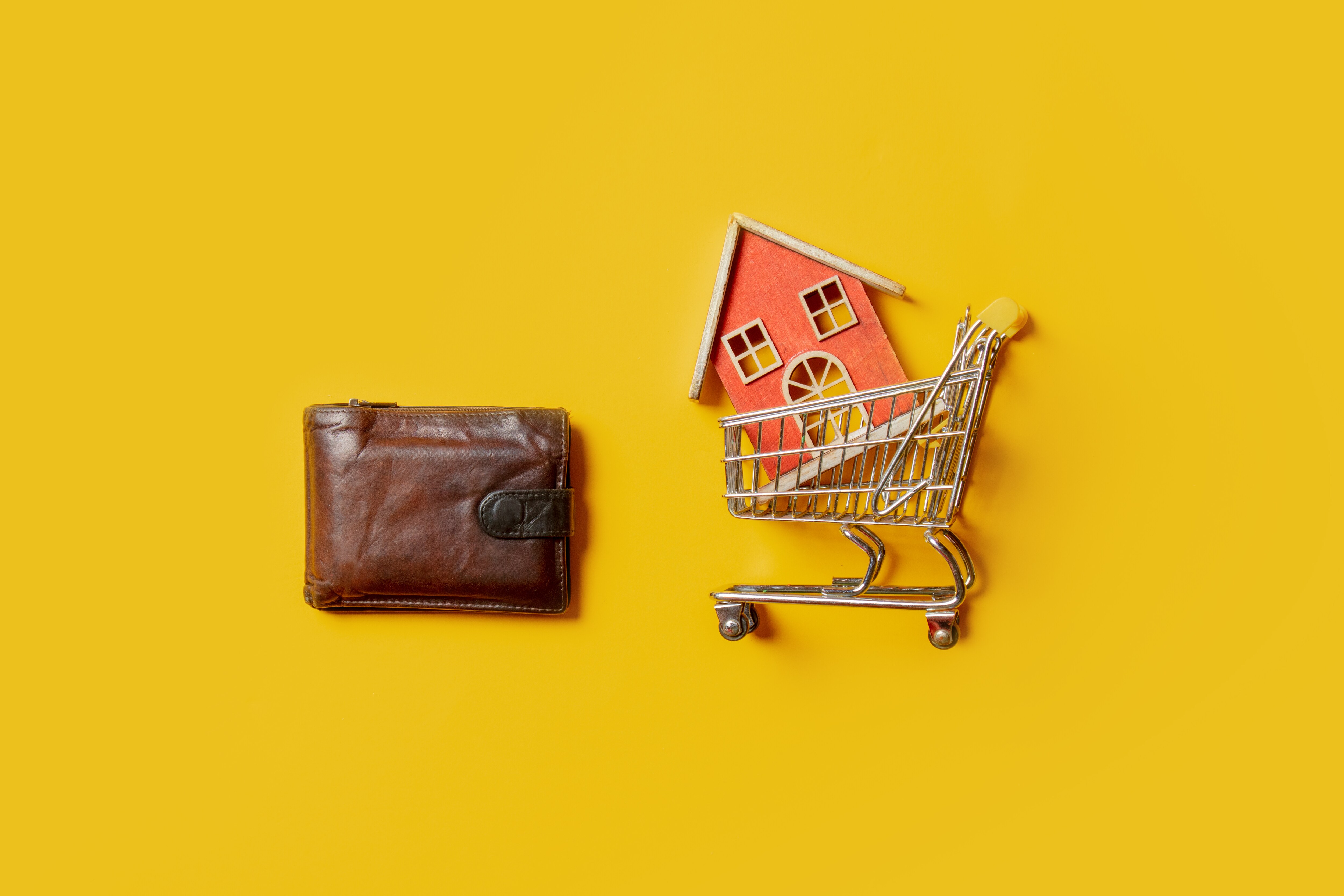
Indian household average quarterly expenses have 'steadily' gone up by over 33% in the last three years to Rs 56,000 in 2025, according to a report from Worldpanel by Numerator on consumption behaviour across urban and rural India.
Household expenses, particularly in urban areas, recorded a notable rise each year. However, there is also an increase in expenses in rural areas, the report added.

-
 Indian Markets Turning Corner After Two Tough Years, Says Sandeep Tandon
-
 NDTV Profit Ignite 2026: Experts See Opportunity In Equities, Stay Bullish For Long-Term
-
 Buy Right, Sit Tight Does Not Work for Individual Stocks, Says Dinshaw Irani
-
 'Worst Is Behind': Quant MF Sees Market Bottom, Flags 'Extreme Euphoria' In Midcaps
-
 India's Mutual Fund Industry Could Become A $1 Trillion Opportunity, Say Fund Managers
-
 'Foreign Investors Are Baraatis': Raamdeo Agrawal's Take On LTCG Tax
-
 Stay Invested Through Market Cycles: Raamdeo Agrawal at NDTV Profit Ignite
-
 Ramesh Damani Remains Bullish On India For Next 20-30 Years, Sees Bargains Amid Market Weakness
-
 CAS Came After A Long Consultation Process: SEBI Chairman Tuhin Kanta Pandey AT NDTV PROFIT IGNITE
-
 Aim To Cut FPI Onboarding Time From Mth To Five Days: SEBI Chairman Tuhin Kanta Pandey AT NDTV PROFI
"Household spending has been climbing steadily, with average quarterly expenses rising from about Rs 42,000 in 2022 to over Rs 56,000 in 2025. Urban families continue to spend the most, but rural households have also seen a sharp rebound, underscoring the mounting pressure on budgets across the country," said the report from Kharcha 3.0 from Worldpanel by Numerator.
Also Read | Layoffs Are Rising In Tech, But These Skills Are Helping People Unlock Better Pay
The average quarterly expenses in urban markets, which were Rs 52,711 in June 2022, scaled to Rs 64,583 in March 2024 and Rs 73,579 in March 2025.
Similarly, the rural household average quarterly expenses have increased to Rs 46,623 in March 2025 from Rs 36,104 in June 2022, said the report, which is based on a sample size of 6,000 households, primarily housewives as key fast-moving consumer goods purchase decision-makers, to capture a comprehensive picture of evolving consumer dynamics.
"This year, expenses are increasing even within lower-income households both in urban and rural," it said, adding that "as expenses continue to increase, more consumers are struggling to manage their budgets effectively."
In 2025, certain expenditures are slightly shifting more towards education and debt, it added.
Moreover, as expenses rise, consumers are prioritising essential items and making occasional impulse buys, with some opting for cheaper alternatives to manage their budgets.
The report also found that the majority of them are now prioritising extra income.
"More than half of consumers (54%) would save additional income, followed by 38% who would spend on daily necessities, 18% on debt repayment, and only 7% on luxury or premium products," it said.
Essential Business Intelligence, Sharp Market Insights, Practical Personal Finance Advice, Daily Fuel, Gold and Silver Prices and Latest Stories — On NDTV Profit.