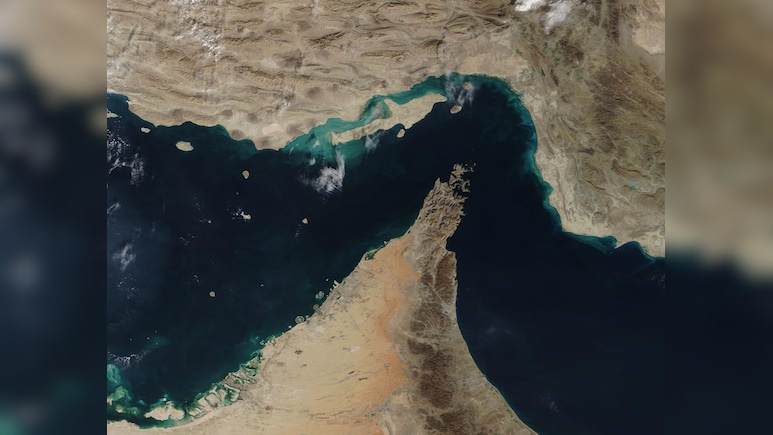
A closure of the Strait of Hormuz through August raises the risk of an economic downturn that comes close to the scale of the Great Recession in 2008, according to Rapidan Energy Group.
The advisory firm's base case assumes the waterway reopens in July, resulting in an average oil demand reduction of 2.6 million barrels a day and the spot-market price for benchmark Brent crude peaking near $130 a barrel over the summer.
However, a disruption beyond then would require even greater demand erosion to offset the supply shock through August and September — potentially enough to trigger an annual decline in global oil consumption in 2026. Several leading forecasters already expect a rare contraction in worldwide demand this year.
Also Read | Layoffs Are Rising In Tech, But These Skills Are Helping People Unlock Better Pay
Oil prices have nearly doubled since late February as the war between the US, Israel and Iran upends global markets and triggers concern about a simultaneous spike in inflation and slowdown in growth.
“The current macro setup is less extreme than the 1970s or 2007 to 08,” Rapidan analysts wrote in a note, citing economies that are less oil-intensive and more credible monetary policy frameworks. “But that relatively stronger starting point doesn't neutralize the risk that continued oil price spikes would exacerbate financial and macroeconomic vulnerabilities.”
A delay until August would deepen the third-quarter supply deficit to roughly 6 million barrels a day, the firm said, just as inventories approach operationally challenging levels.
Even with an early-August restart, markets would tighten before any relief is felt, as crude inventories continue declining into September while Arab Gulf production gradually rebounds and shipments begin reaching destinations, according to Rapidan.
(This story has not been edited by NDTV staff and is auto-generated from a syndicated feed.)
Essential Business Intelligence, Sharp Market Insights, Practical Personal Finance Advice, Daily Fuel, Gold and Silver Prices and Latest Stories — On NDTV Profit.