- The Union Cabinet approved a Rs 14,500-crore plan for energy storage capacity
- The plan aims to add 92 gigawatt-hours of grid-scale energy storage
- It includes 30 GWh battery storage, 60 GWh pumped storage, and 2 GWh new tech
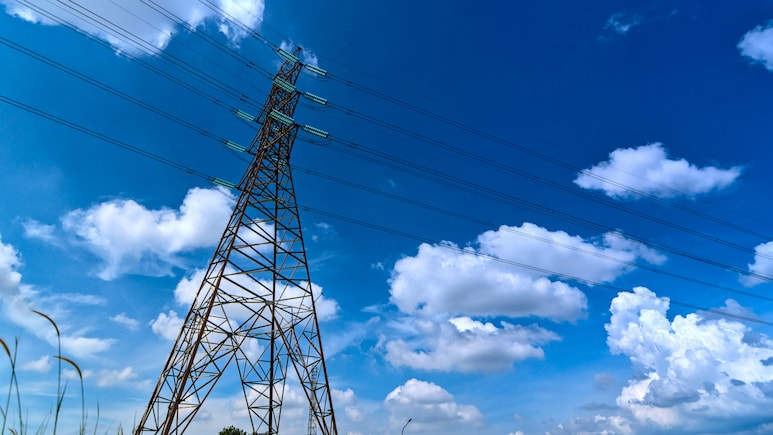
In a major boost to India's energy storage infrastructure, the Union Cabinet on Wednesday approved a Rs 14,500-crore scheme to add 92 gigawatt-hours (GWh) of grid-scale storage capacity, aimed at strengthening the power network and supporting the country's expanding renewable energy capacity.
Under the plan, 30 GWh of capacity will come from battery-based storage systems, 60 GWh from pumped hydro projects and the remaining 2 GWh from emerging energy storage technologies.

-
 Indian Markets Turning Corner After Two Tough Years, Says Sandeep Tandon
-
 NDTV Profit Ignite 2026: Experts See Opportunity In Equities, Stay Bullish For Long-Term
-
 Buy Right, Sit Tight Does Not Work for Individual Stocks, Says Dinshaw Irani
-
 'Worst Is Behind': Quant MF Sees Market Bottom, Flags 'Extreme Euphoria' In Midcaps
-
 India's Mutual Fund Industry Could Become A $1 Trillion Opportunity, Say Fund Managers
-
 'Foreign Investors Are Baraatis': Raamdeo Agrawal's Take On LTCG Tax
-
 Stay Invested Through Market Cycles: Raamdeo Agrawal at NDTV Profit Ignite
-
 Ramesh Damani Remains Bullish On India For Next 20-30 Years, Sees Bargains Amid Market Weakness
-
 CAS Came After A Long Consultation Process: SEBI Chairman Tuhin Kanta Pandey AT NDTV PROFIT IGNITE
-
 Aim To Cut FPI Onboarding Time From Mth To Five Days: SEBI Chairman Tuhin Kanta Pandey AT NDTV PROFI
The programme will be rolled out in partnership with state governments to scale up storage infrastructure and strengthen the grid's capacity to handle fluctuations in electricity generation from renewable sources, particularly solar and wind.
Also Read | Layoffs Are Rising In Tech, But These Skills Are Helping People Unlock Better Pay
The initiative also envisages a significant expansion of existing transmission capacity to support the integration and distribution of electricity across the country.
The Cabinet approval comes amid India's accelerating clean energy transition, with non-fossil fuel sources now accounting for nearly 52% of the country's installed power capacity.
The increasing contribution of renewable energy has also heightened the need for storage solutions to ensure a reliable and uninterrupted electricity supply, particularly when solar and wind generation fluctuates.
Energy storage systems are considered critical to balancing electricity demand and supply, allowing surplus power generated during periods of high renewable output to be stored and released when generation falls or demand rises.
The scheme is also expected to support the development of India's domestic manufacturing ecosystem, particularly in battery technology and critical minerals, which are essential inputs for energy storage systems, electric vehicles, electronics and other advanced manufacturing industries.
The initiative aligns with the government's broader efforts under the National Critical Minerals Mission to strengthen domestic capabilities, reduce dependence on imports and secure supply chains for materials required by emerging industries.
The initiative is aimed to broaden India's energy storage capabilities through a mix of battery systems, pumped hydro projects and emerging technologies, while improving grid reliability and facilitating the country's transition towards cleaner energy.
ALSO READ: Cabinet Opens Path For All Agniveers to Join Armed Forces After 2-Year Extension
Essential Business Intelligence, Sharp Market Insights, Practical Personal Finance Advice, Daily Fuel, Gold and Silver Prices and Latest Stories — On NDTV Profit.