Even as guns fall briefly silent over a fragile ceasefire between Iran and the US, Tehran and Beijing are quietly waging a different kind of offensive — one fought not with missiles but with currency.
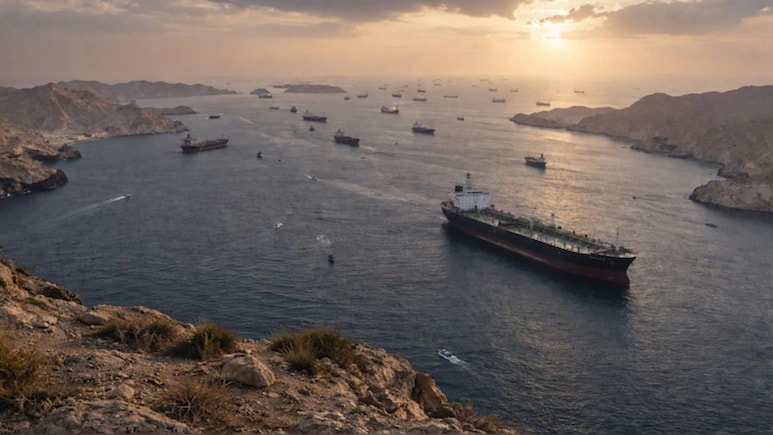
At the heart of it is the Strait of Hormuz, the narrow waterway through which roughly a fifth of the world's oil and gas passes every day. And the weapon of choice is the Chinese yuan.
Under Iran's de facto toll booth regime at the strait, commercial vessels have been charged transit fees in yuan, according to multiple reports, signalling a further deepening of Chinese-Iranian economic cooperation.
Also Read | Layoffs Are Rising In Tech, But These Skills Are Helping People Unlock Better Pay
For years, the two Asian allies have accused Washington of using the dollar's dominance in global trade as a weapon, imposing sanctions and inflicting economic pain on rivals through the dollar-dominated financial system.
ALSO READ: Power, Capital Goods And More: Samir Arora's Sectoral Picks Amid Iran War
The stakes are not small. About 80% of global oil transactions are settled in US dollars, according to a 2023 estimate by JP Morgan Chase. This arrangement, the so-called petrodollar system, has underpinned American financial power for decades. Iran and China want to break it.
Iran's embassy in Zimbabwe said in a social media post that "It is time to add PetroYuan and PetroRial Cycle to the market". China's Ministry of Commerce, meanwhile, acknowledged reports of yuan-denominated payments in a social media post that appeared to confirm the practice.
It is time to add PetroYuan and PetroRial Cycle to the market. pic.twitter.com/HCLAiJlb1g
— Iran Embassy in Zimbabwe (@IRANinZIMBABWE) April 3, 2026
Meanwhile, Iran's navy warned ships anchored near the strait that they must seek permission before transit, with a stark radio message threatening that any vessel attempting to pass without clearance "will be destroyed."
On the other hand, the White House called any closure "completely unacceptable," with Press Secretary Karoline Leavitt insisting Trump demands the strait be opened "without limitation, including tolls."
Experts say the yuan play is more than symbolism. Harvard economist Kenneth Rogoff told Al Jazeera that Iran is "dead serious" about preferring yuan to avoid US sanctions and to support China's steady push to redenominate BRICS trade into its own currency.
ALSO READ: Not End Of War, Enriched Uranium To Leave Iran Through Agreement Or Force, Says Netanyahu
Yet the dollar will not fall overnight. The dollar still accounts for 57% of global foreign exchange reserves, compared to just 2% for the yuan, according to the IMF. Only 3.7% of cross-border trade was settled in yuan in 2024.
Analysts describe what is happening not as a sudden collapse of dollar dominance but as "gradual erosion", a chipping away at American financial supremacy, one tanker fee at a time.
Essential Business Intelligence, Sharp Market Insights, Practical Personal Finance Advice, Daily Fuel, Gold and Silver Prices and Latest Stories — On NDTV Profit.