A sharp rise in fuel prices could significantly strain household budgets, with 8 in 10 families likely to cut non-essential travel and 1 in 2 expected to reduce LPG usage, according to a nationwide survey by LocalCircles. The findings come amid rising concerns over global energy supply disruptions, particularly around the Strait of Hormuz, and expectations of a post-election correction in domestic fuel prices.
Travel, LPG Use Likely To Take A Hit
The survey shows a clear shift in consumer behaviour if petrol and LPG prices rise:
Also Read | Layoffs Are Rising In Tech, But These Skills Are Helping People Unlock Better Pay
- 78% said they would cut non-essential travel
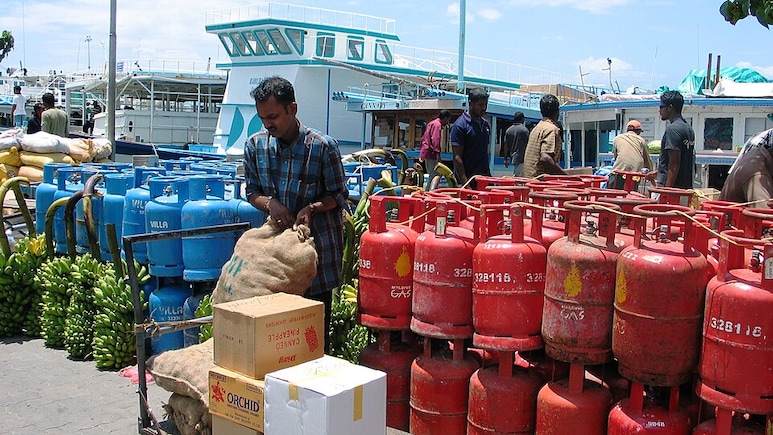
- 50% indicated they would reduce LPG usage
- 35% plan to shift to public transport such as metro, buses, and trains
When asked how households would cope with rising petrol prices, 78% said they would “reduce non-essential travel,” while 27% indicated they would continue usage despite higher costs.
ALSO READ: Global Markets Are Getting Numb To Geopolitics | The Reason Why
Shift To Alternatives, Spending Cuts Likely
On LPG usage, the largest share of respondents pointed to switching or optimising consumption:
- 48% said they would shift partially to alternatives like electric stoves or PNG
- 44% would continue usage despite higher costs
- 40% would reduce cooking frequency
- 15% would cut other household expenses
The survey covered over 43,000 households across 333 districts between April 1 and May 4.
Global Risks, Domestic Pressure
The survey highlights growing risks from geopolitical tensions involving key oil producers such as Saudi Arabia, Iraq and Iran.
For India, which imports over 80% of its crude oil needs, any disruption could mean:
- Higher import bills
- Costlier LPG and transport fuels
- Rising freight and insurance costs
A recent spike in commercial LPG prices, up nearly Rs 993 for a 19-kg cylinder, has already signalled pricing pressure, with domestic LPG rates expected to rise by Rs 40–Rs 50 per cylinder.
Petrol, Diesel Price Hike May Be Imminent
Petrol and diesel prices have remained largely unchanged for nearly four years, but analysts now expect a Rs 4–10-per-litre increase after elections, driven by accumulated losses at oil marketing companies. “The broader economic reality remains unchanged: rising fuel prices tend to have a cascading effect across sectors,” the report noted, warning of higher food and transportation costs.
ALSO READ: Global Airlines Cancel 2 Million Seats And 12,000 Flights In May Amid Fuel Crisis
Inflationary Impact To Be Broad-Based
Higher fuel prices are likely to have both direct and indirect effects:
- Increased cooking costs, especially for lower-income households
- Higher transportation costs, pushing up prices of essentials
- Restaurants and small businesses may raise prices by 10–15%
Economists warn even modest fuel price increases can have a multiplier effect on inflation, squeezing household incomes. The timing of potential price hikes, soon after elections, may not sit well with consumers. LocalCircles said it will share findings with policymakers, cautioning that even a 5–10% increase in fuel prices could significantly worsen household finances.
One in two households surveyed are likely to cut LPG usage and eight in 10 are likely to cut non-essential travel, the report said, adding that 35% may shift to public transport if petrol prices rise
Essential Business Intelligence, Sharp Market Insights, Practical Personal Finance Advice, Daily Fuel, Gold and Silver Prices and Latest Stories — On NDTV Profit.