- India is better positioned amid the Iran war due to the India-US interim trade deal reducing tariffs
- India's tariffs dropped from 50% to 10% after the trade deal and a US court ruling
- IMF revised India's growth outlook mildly, offsetting energy shocks with fiscal and economic tailwinds
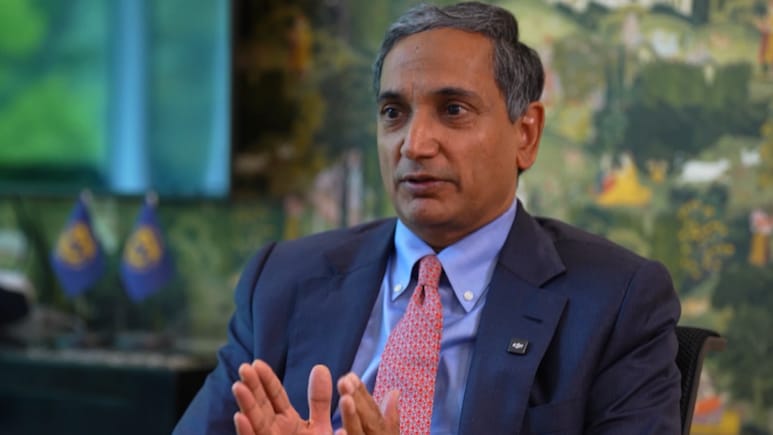
The ongoing Iran war has sent tremors to the economic landscapes across the world. With energy prices shooting up, and disruptions widening, the Director of International Monetary Fund's Asia-Pacific Department, Krishna Srinivasan broke down where India stands in the middle of this turmoil.
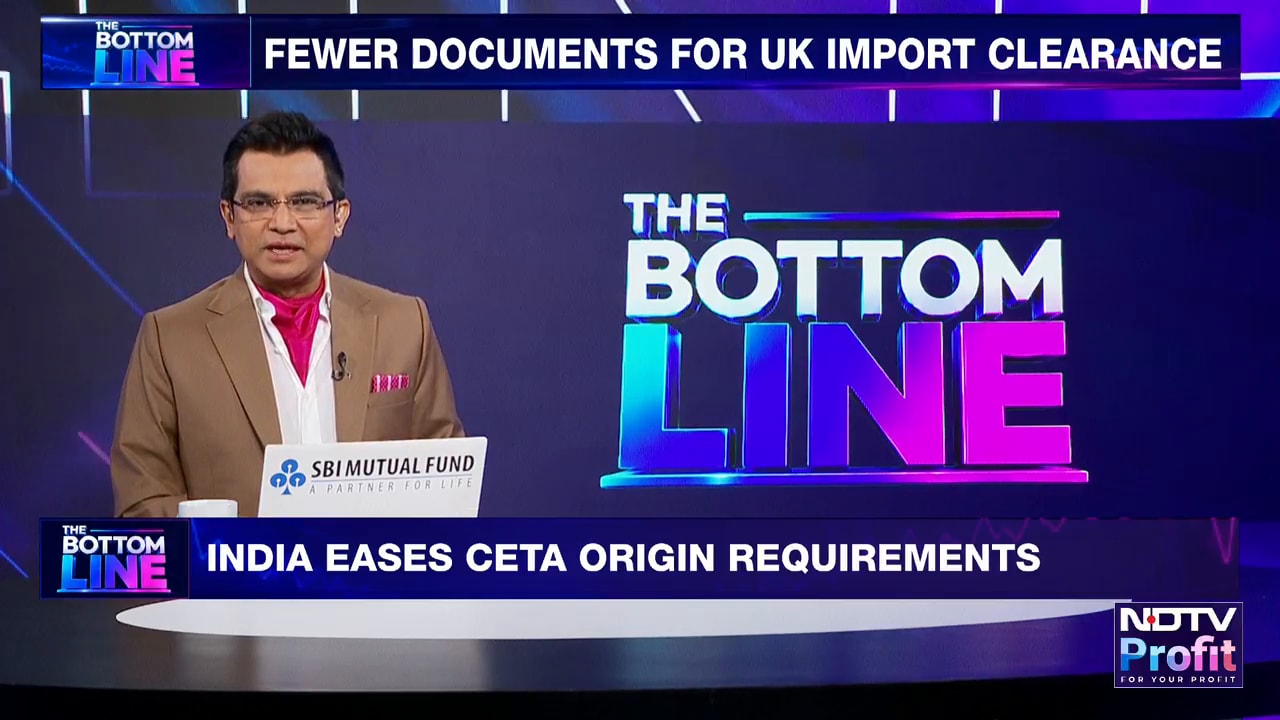
All energy-intensive countries have had significant impact due to the West Asia war. However, India's positioning was much stronger than its South Asian peers, on account of the India-US interim trade deal announced in February, Srinivasan pointed out, during an exclusive interaction with NDTV's Senior Managing Editor Vishnu Som.
On account of the deal being finalised, tariffs on India reduced from 50% to 18%, and were further lowered to 10% after a US court struck down President Donald Trump's so-called reciprocal tariffs policy.
Also Read | Layoffs Are Rising In Tech, But These Skills Are Helping People Unlock Better Pay
"India is coming into this shock in a much stronger position, with a strong growth momentum, inflation within target, and having some fiscal space," Srinivasan underlined.
Further, he highlighted how IMF's growth outlook for India was only revised mildly on account of major fiscal and economic tailwinds off-setting the energy shock.
"Tariffs coming down from 50% to 10% and financial conditions that were accommodative proved to be tailwinds that offset the impact of the energy shock, which itself accounts for about half a percent of the GDP," the top IMF official said.
However, he pointed out that a prolonged elevation in oil prices triggered by energy disruptions could lead to a significant impact to India's growth going further.
There are two hypothetical scenarios as far as the Iran war impact is concerned, according to Srinivasan. One is where oil prices remain higher in 2026 but go back to normal in 2027, and the other is where oil prices stay elevated going into 2027 as well.
"Overall for these two scenarios, the output loss could be of 1-2 percentage points cumulatively through 2027," he stated and added that the conflict lasting longer can put India into a very difficult situation.
ALSO READ: Indian Rupee Cracks Below Rs 95 Per Dollar To Hit Record Low Amid Iran War Tensions
So far, he said, India has tried to limit the impact of the war by introducing buffers like cuts on excise duties on oil, and introducing subsidies on fertilisers.
He, however, pointed out that on an aggregate level, countries need to let price signals work; otherwise, it will cause a mismatch between supply and demand, leading to higher prices overall.
Food Inflation Risks
Food inflation risks in India are tied closely to fertilisers, a sector which has been grappling with the supply disruptions triggered by the war, as per Srinivasan.
Fertilisers are a key input into food prices and could be a significant factor going ahead. So far, they have been managed with subsidies, but they could lead to higher food inflation, he warned.
"Our advice to central banks is to see how much of the supply shock can you see through," he said, adding that if there is a risk that inflation could tick higher, they have to be agile in framing the monetary policy. Food inflation is a "clear risk" going forward, Srinivasan noted.
Watch: IMF's Krishna Srinivasan Speaks Exclusively With NDTV
Essential Business Intelligence, Sharp Market Insights, Practical Personal Finance Advice, Daily Fuel, Gold and Silver Prices and Latest Stories — On NDTV Profit.